具体描述
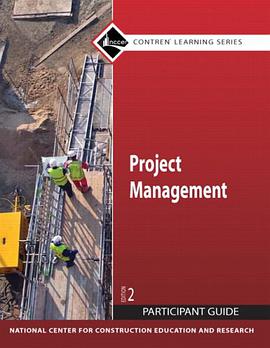
This exceptionally produced trainee guide features a highly illustrated design, technical hints and tips from industry experts, review questions and a whole lot more Key content includes: Introduction to Project Management, Safety, Interpersonal Skills, Issues and Resolutions, Construction Documents, Construction Planning, Estimating and Cost Control, Scheduling, Resource Control, Quality Control, and Continuous Improvement.
Project Management: Navigating Complexity, Achieving Excellence In today's dynamic business landscape, the ability to effectively manage projects is no longer a mere advantage, but a fundamental necessity for organizational success. This comprehensive guide delves into the core principles and practices that underpin successful project execution, equipping you with the knowledge and tools to transform ambitious visions into tangible realities. We begin by establishing a robust foundation, exploring the foundational elements of project management. This includes a deep dive into defining project scope, meticulously identifying objectives, and meticulously crafting detailed work breakdown structures. Understanding the "what" and the "how" of your project is paramount, and we provide a structured approach to ensure clarity and alignment from the outset. Learn to articulate clear, measurable, achievable, relevant, and time-bound (SMART) goals that serve as the compass for your entire endeavor. A critical facet of project management lies in effective planning. This section unpacks the intricacies of developing comprehensive project plans, encompassing the creation of realistic timelines, resource allocation, and budget forecasting. We examine various scheduling techniques, from critical path method (CPM) to agile sprint planning, enabling you to select the most appropriate approach for your project's unique demands. Furthermore, we address the art of resource management, ensuring you can identify, acquire, and optimize the utilization of human capital, equipment, and materials. Mastering budget control is equally vital, and we provide strategies for accurate cost estimation, expenditure tracking, and proactive financial management to mitigate risks and ensure profitability. Risk management is an intrinsic part of any undertaking, and this book equips you with the foresight and preparedness to navigate potential pitfalls. We explore systematic approaches to identifying, assessing, and mitigating project risks. This involves techniques for brainstorming potential threats, evaluating their likelihood and impact, and developing proactive strategies for prevention and response. Learn to build contingency plans, implement risk monitoring processes, and foster a culture of risk awareness within your project team. By anticipating and addressing potential challenges head-on, you can significantly enhance your project's resilience and increase its probability of success. Communication and stakeholder engagement are the lifeblood of successful projects. This guide emphasizes the critical importance of fostering open and transparent communication channels with all parties involved. We delve into strategies for identifying key stakeholders, understanding their needs and expectations, and developing effective communication plans. Learn to conduct productive meetings, deliver clear and concise reports, and manage expectations proactively. Building strong relationships and fostering collaboration are essential for garnering support, resolving conflicts, and ensuring that all stakeholders are aligned with the project's objectives. Execution and monitoring form the active phase of project management, where plans are put into action and progress is meticulously tracked. This section provides practical guidance on overseeing project activities, managing your team's performance, and ensuring that work is completed according to plan. We explore techniques for progress tracking, performance measurement, and the effective use of project management software. Learn to identify deviations from the plan, implement corrective actions, and maintain momentum towards your project goals. Quality management is a cornerstone of delivering value. This book emphasizes the importance of establishing and maintaining high-quality standards throughout the project lifecycle. We explore various quality assurance and quality control methodologies, enabling you to define quality criteria, implement inspection processes, and ensure that deliverables meet or exceed expectations. Learn to conduct thorough reviews, implement feedback mechanisms, and foster a commitment to excellence within your team. Finally, project closure marks the formal completion of your endeavor. This section guides you through the essential steps of wrapping up your project, including final deliverable acceptance, performance evaluation, and knowledge transfer. We emphasize the importance of conducting post-project reviews, documenting lessons learned, and celebrating successes. This meticulous closure process ensures that the project's outcomes are fully realized and that valuable insights are captured to inform future initiatives, driving continuous improvement within your organization. This guide is designed for project managers, team leads, aspiring project professionals, and anyone involved in leading or contributing to project-based work. Whether you are managing small internal initiatives or large-scale complex undertakings, the principles and practices outlined herein will empower you to deliver exceptional results, navigate challenges with confidence, and achieve your project objectives with unparalleled success.