
具体描述
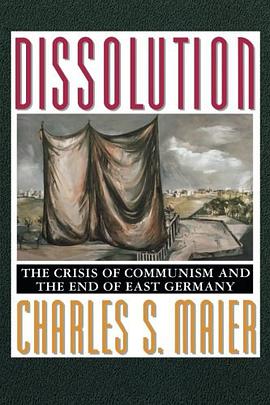
Against the backdrop of one of the great transformations of our century, the sudden and unexpected fall of communism as a ruling system, Charles Maier recounts the history and demise of East Germany. Dissolution is his poignant, analytically provocative account of the decline and fall of the late German Democratic Republic. This book explains the powerful causes for the disintegration of German communism as it constructs the complex history of the GDR. Maier looks at the turning points in East Germany's forty-year history and at the mix of coercion and consent by which the regime functioned. He analyzes the GDR as it evolved from the purges of the 1950s to the peace movements and emerging youth culture of the 1980s, and then turns his attention to charges of Stasi collaboration that surfaced after 1989. In the context of describing the larger collapse of communism, Maier analyzes German elements that had counterparts throughout the Soviet bloc, including its systemic and eventually terminal economic crisis, corruption and privilege in the SED, the influence of the Stasi and the plight of intellectuals and writers, and the slow loss of confidence on the part of the ruling elite. He then discusses the mass protests and proliferation of dissident groups in 1989, the collapse of the ruling party, and the troubled aftermath of unification. Dissolution is the first book that spans the communist collapse and the ensuing process of unification, and that draws on newly available archival documents from the last phases of the GDR, including Stasi reports, transcripts of Politburo and Central Committee debates, and papers from the Economic Planning Commission, the Council of Ministers, and the office files of key party officials. This book is further bolstered by Maier's extensive knowledge of European history and the Cold War, his personal observations and conversations with East Germans during the country's dramatic transition, and memoirs and other eyewitness accounts published during the four-decade history of the GDR.
作者简介
Charles Maier, the Krupp Foundation Professor of European Studies at the University of Harvard, must be as well placed as any to offer an interpretation of events. His numerous books and articles on Europe in the twentieth century, his knowledge of economics, of European languages, and his capacity to look at European history not simply through the prism of American diplomacy and American power make him well suited to undertake a book on the collapse of the GDR. Moreover, he spent much of his time 'in the field' as events were unrolling, and he was on the board of the Potsdam Centre after unification - of which more later. Dissolution is intended as a synthetic history rather than as an elaboration of a particular view or thesis. Much of the book is a chronological account of the diplomacy of the dissolution of the GDR, although Maier's emphasis upon the East German dimension is quite different from that of Zelikow and Rice, or Pond. Without rehearsing here the whole 'dissolution' story, it is worth recounting two moments in particular of Maier's account. They tell a great deal about the inflexibility of the established leaders of the GDR, and the structural weakness of the GDR in the international system, and go a long way to answering the question of whether the GDR's dissolution was inevitable, and why its collapse happened so quickly.
目录信息
读后感
用户评价
这本书的叙事手法简直是教科书级别的“非线性叙事”的典范。它不是那种直接抛出核心冲突然后一路高歌猛进的类型,而是像一个技艺高超的钟表匠,把时间轴打散了重新编排。读这本书就像是在解一个复杂的谜题,你总是在过去和现在之间来回跳跃,每一次跳跃都带来新的线索,同时也可能推翻你之前建立的假设。这种结构上的精妙,让我每次读完一个章节都会忍不住合上书本,捋一捋刚才接收到的信息,然后再去猜测接下来的走向。最让我印象深刻的是作者对“视角”的切换处理。同一件事情,从不同人物的口中讲述出来,其侧重点和情感色彩完全不同,这让整个故事的“真相”变得模糊而耐人寻味。这需要读者极高的耐心和专注力,但一旦你适应了这种节奏,那种抽丝剥茧的乐趣是无与伦比的。这本书绝不是那种可以囫囵吞枣的消遣读物,它更像是一场智力上的马拉松,考验着读者的理解力和联想能力。
这本书的封面设计真的太抓人了,那种深沉的色调和略带模糊的字体,一下子就把你拉进了一种历史的厚重感里。我本来对这类题材兴趣一般,但被这个封面吸引,忍不住就翻开了第一页。故事的开篇非常缓慢,像是在铺陈一幅古老的地图,每一个细节都描绘得细致入微。作者似乎对那个时代的社会结构和人们的生活状态有着深入的研究,文字里充满了那个时代特有的仪式感和压抑感。我特别喜欢他描述人物心理活动的段落,那种不动声色的挣扎,比直接的冲突描写更有力量。读到一半的时候,我感觉自己仿佛真的走进了那个充满秘密和谎言的宅邸,空气里都弥漫着旧木头和灰尘的味道。虽然叙事节奏不快,但字里行间透露出的信息量极大,需要全神贯注才能跟上作者的思路,那种沉浸式的阅读体验,简直让人欲罢不能。我得承认,一开始有点担心情节会过于晦涩,但随着故事的深入,那些看似无关紧要的碎片开始慢慢拼凑起来,形成了一个令人深思的整体画面。
从纯粹的故事驱动力来看,这本书可能不会让你感到肾上腺素飙升,但它的张力是另一种层面的——是那种在平静的水面下酝酿的巨大暗流。作者巧妙地设置了无数的未解之谜和潜在的冲突,这些元素像细密的网一样,将人物和事件层层包裹。你总是感觉有什么重大的揭示即将到来,但它却总是以一种极其克制的方式被推迟,这种“延迟满足”的艺术处理,使得阅读体验充满了期待和不安的混合情绪。每一次以为自己捕捉到了主线,都会被作者一个新的细节或者视角转折所迷惑。这种悬而未决的状态,不是敷衍,而是一种对人性复杂性的忠实呈现。这本书要求读者去“参与”构建意义,而不是被动地接受,这对于习惯了快节奏娱乐的读者来说,可能需要一个适应期,但一旦你接受了这种邀请,你会发现,这种缓慢、深邃的探索过程,才是文学最迷人的魅力所在。
这本书最让人着迷的地方,在于它对“记忆”和“失落”这两个主题的探讨,深刻得近乎残酷。它不是简单地讲述一个悲伤的故事,而是深入挖掘了当记忆开始模糊、重要的人事物逐渐从现实中“溶解”时,个体所经历的那种精神上的真空和重构过程。书中的角色们似乎都在与自己过去的某个版本或某个重要的片段进行着无声的抗争。我读的时候,常常会联想到自己生命中那些已经无法挽回的瞬间,它激发了一种强烈的共鸣感,那种对时间无情流逝的无力感,被作者描绘得淋漓尽致。这种哲学层面的思考,让这本书远远超出了类型小说的范畴。它迫使你停下来,审视自己的内心,思考什么是“真实”的自我,以及我们是如何依赖那些不完全可靠的叙事来支撑我们存在的。这是一种沉重但极其必要的精神洗礼。
我得说,这本书的语言风格是极其独特的,带着一种古典的华丽感,但又绝不矫揉造作,反而有一种恰到好处的疏离和精准。作者的遣词造句极其考究,很多描述性的段落,单独拿出来都可以当作散文来欣赏。他很少使用直白的形容词,而是倾向于通过具体的动作、光影的变化来烘托气氛,比如他对光线穿过百叶窗在地面投下条纹的描写,寥寥数语,那个房间的压抑和时间的流逝感就立刻鲜活起来了。这种文字的力量,让我常常停下来,回味一下刚才读到的那句话,思考作者为何选择这个特定的词汇。虽然故事情节本身可能偏向于严肃和内敛,但语言上的丰富性保证了阅读过程中的愉悦感。它提醒我,好的文学作品不仅仅是讲述一个故事,更是在展示语言本身的美感和潜力。对于追求文字质感的读者来说,这本书绝对是不可多得的珍品。