
具体描述
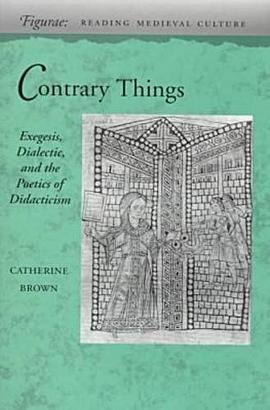
This work of intellectual and cultural history seeks to understand the recurring connection of teaching with contradiction in some major texts of the European Middle Ages. It moves comfortably between patristic and monastic exegesis, the Paris schools of the twelfth and thirteenth centuries, and late medieval Spain; between Latin and vernacular, between religious and secular. It assimilates the methodologies of religious and erotic texts, thereby displaying the investment of each in the sensuality and analytical power of language. The book begins by exploring Christian exegesis, in which biblical contradiction is the textual incarnation of a Truth that is at once and paradoxically singular and multiple. Exegesis teaches us of the possibility of maintaining the truth in one biblical proposition and, equally and simultaneously, in its apparent opposite. Under the aegis of dialectic and the Aristotelian rule of non-contradiction, however, we are next taught to read "either/or," and to resolve contradiction not through suspension and multiplicity, as in exegesis, but rather through a judgment that favors either one proposition or the other. The writers studied here are John of Salisbury, whose "Metalogicon" is an ostensibly moderating critique of the intellectual extremism of the School of Paris logicians, and Peter Abelard, in whose life and writing the forces of contradiction work with maiming and illuminating violence. The book then considers the teaching-textuality of two great secular works of the Middle Ages, formed under the double instruction of the master disciplines of monastic exegesis and dialectic and under the tutelage of Ovid. Calling simultaneously on the "both-and" of exegesis and the "either/or" of dialectic, the teaching of these two texts is both biblical and worldly--impossibly, both at once, always in motion. The "De Amore" of Andreas Capellanus teaches two opposite propositions and commands that either one or the other must be chosen, yet in practice shows each proposition to be deeply embedded in the other. The concluding chapter turns from the Latin to the vernacular tradition to study one of the lesser-known examples of contradictory teaching, the fourteenth-century "Libro de Buen Amor" of Juan Ruiz, whose titular "good love" conflates the contrary things of spiritual and carnal love, while reminding readers that the difference between the two is urgently consequential.
作者简介
目录信息
读后感
用户评价
这是一本需要反复阅读的书,因为它的每一层含义似乎都随着时间的推移而有所变化。初读时,我捕捉到的是其对既有秩序的挑战,那种新鲜的、叛逆的火花。但随着时间沉淀,我开始体会到其中蕴含的深层悲悯和对人类局限性的深刻理解。这本书的结构设计极其巧妙,它避免了线性叙事,更像是一个多维度的空间,不同的章节互相折射,共同指向一个核心的观点——我们对现实的把握,永远只是一个不完整的切片。它对“确定性”的瓦解,并不是为了制造混乱,而是为了给真正的创新和自由思考腾出空间。它不仅仅是一本书,更像是一种思维的训练,迫使你的大脑去适应那些不舒服、不符合直觉的逻辑路径。读完它,我感受到的不是知识的堆砌,而是一种心智上的蜕变,一种对世界更深层次的“看见”。
老实说,我一开始对这类“反主流”的书籍抱持着怀疑态度,总觉得它们难免流于空泛的说教或故作高深的姿态。然而,《与众不同的事》完全打破了我的刻板印象。它没有空喊口号,而是用一系列扎实、精妙的案例和论证,构建起一个令人信服的“反常识”世界观。这本书的厉害之处在于,它不是在教你“该想什么”,而是在训练你“如何去质疑你已经知道的东西”。作者在处理那些敏感、容易引起争议的话题时,保持着一种令人惊叹的冷静和精确,避免了陷入情绪化的泥潭。它更像是一套精密的手术工具,冷静地剖开我们社会运行的肌理,展示出那些被光鲜外表所掩盖的冗余和荒谬。这本书读完后,我感觉自己对周围的一切都多了一层“去魅”的滤镜,这是一种非常宝贵的能力。
这本书给我的感觉,就像是走进了一个设计极其精巧的迷宫。它不是那种依靠惊险情节来吸引人的作品,而是通过对事物本质的层层剥离,展现出令人不安的美感。我之前从未想过,原来日常生活中那些最微不足道的互动模式,竟然可以被拆解得如此彻底,并揭示出其背后隐藏的、令人毛骨悚然的驱动力。作者的文字功力极为深厚,他的叙述节奏把握得恰到好处,时而如涓涓细流般平静,时而又骤然爆发,掀起思考的巨浪。读到中途,我甚至产生了一种强烈的“不适感”,因为我发现自己赖以生存的许多认知支柱开始摇摇欲坠。这并非是一本可以轻松消遣的书籍,它要求读者全身心地投入,去辨析那些潜藏在清晰表象下的模糊地带。它更像是一面镜子,映照出的不是你希望看到的自己,而是你一直回避的那个“真实”。
读完《与众不同的事》后,我有一种被彻底颠覆了认知的体验。这本书并没有直接探讨我们日常生活中那些显而易见的矛盾或悖论,而是巧妙地将笔触伸向了那些我们习以为常、从未质疑过的“常识”的根基。作者以一种近乎挑衅的姿态,解构了看似坚不可摧的逻辑框架,让我不得不停下来反思:我们所遵循的规则,真的是唯一的真理吗?书中那些关于社会结构、个体认知乃至宇宙观的探讨,每一章都像是一场智力上的探戈,引人入胜却又步步惊心。我特别欣赏作者那种不动声色的幽默感,它并非那种直白的笑话,而是隐藏在严密论证背后的讥讽,让你在恍然大悟的同时,又忍不住会心一笑。这本书的阅读过程,更像是一次深入的哲学漫游,它没有给出简单的答案,而是为你打开了一扇扇通往未知领域的大门,让你自己去探索光怪陆离的风景。对于那些习惯于墨守成规的人来说,这本书无疑是一剂强力的“清醒剂”。
这本书的语言风格,简直是文学上的“反骨”。它拒绝使用任何陈词滥调,句子结构复杂多变,充满了不规则的韵律感,初读时可能会感到些许晦涩,但一旦适应了作者的节奏,就会发现其中蕴含着无与伦比的张力和美感。它不像是在讲述一个故事,更像是在进行一场高强度的脑力激荡。我尤其佩服作者在构建论点时的那种旁征博引,从古典哲学到现代物理学的概念,信手拈来,却又精准地服务于他的核心主张。阅读过程中,我不得不频繁地停下来查阅背景资料,但这非但没有削弱阅读的乐趣,反而加深了对作者思想深度的敬畏。它挑战了我们对于“清晰”和“易懂”的固有偏好,证明了真正深刻的洞察往往需要读者付出相应的努力才能抵达。
再翻出来。还是有用。
再翻出来。还是有用。
再翻出来。还是有用。
再翻出来。还是有用。
再翻出来。还是有用。