
具体描述
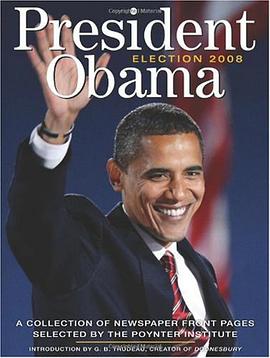
The presidential campaign of 2008 was one of the most intense and closely-followed races in US politics. Moments after the presidential election was called for Barack Obama across televisions and computer screens (and probably sooner), editors at newspapers around the world began framing some of the most significant front pages in history. President Obama: Election 2008 is a collection of over 75 November 5th, 2008 newspaper front pages from around the world, including international, campus, and ethnic newspapers. There is no better statement of the emotion, excitement and significance of this historic event. Compiled by The Poynter Institute, a non-profit school for journalists, this book will be a cherished keepsake or gift for any of the millions of Americans who cast their vote for the 44th President of the United States.
A Look Inside President Obama: Election 2008 , with an Introduction by Garry Trudeau In the real world, as a matter of record, there isn't much dancing in the streets. Setting aside sanctioned festivals, it's mostly just a figure of speech, especially when used predictively (see "Iraq, invasion of"). Election Day, November 4, 2008, was different. That night, Baltimore Avenue in Philadelphia was clogged with a jubilant mob boogying with abandon, banging pots and pans in time with horn blasts from engulfed cars. In Kisumu, thousands of Kenyans shimmied in the streets, singing, kissing, thumping on drums in such an unalloyed outpouring of euphoria that the government was moved to declare a national holiday. In Seattle, a club turned its speakers into the street, blasting a beat for the enormous dance party that rocked downtown. In Jakarta, schoolchildren hugged and danced in the pouring rain. In New Haven, hundreds of Yale students, mad with joy, spontaneously poured from their rooms and converged on a campus green, where they formed an enormous circle of celebration. And in Manhattan, Broadway was quickly cordoned off as thousands of New Yorkers streamed south toward the lights, dancing, shouting, overcome by a big, bold blast of history, the kind that filled up Times Square on V-J Day. And then the next day, after the street parties were over, people went out and did something many of them hadn't done in years: They bought newspapers. Yes, newspapers. By the trainload, actually. The Washington Post printed up 30,000 extra copies; they sold out instantly. So they ordered another 150,000 copies, then raised it to 250,000, then eventually 700,000—offered at triple the usual cover price. In Los Angeles, the Times printed up an extra 107,000, but they were gone in an instant. Outside their downtown offices, a line of customers formed around the block. Two days later, it was still there. Meanwhile, The New York Times put an extra 250,000 papers on the street, but individual copies still popped up on eBay for $200 apiece. And at last count, USA Today had printed 380,000 additional copies, with online sales still brisk. All those folks scrambling for copies weren't just interested in election returns, obviously. They could, after all, get the details from TV or the Internet, and probably already had—maybe even from their local newspaper's Web site. But what they couldn't get was the crisp, tactile, iconic artifact that is a daily newspaper— that tangible proof that something big had really happened. The morning-after newspaper, with the huge headlines reserved for historic events, continues to be seen as the indispensable keepsake—one that can forever evoke and refresh a deeply consequential memory. To our industry, it was a glorious day and no doubt will be recalled fondly. It seems doubtful, with newspapers inexorably losing their place in public life, that we will see many more like it. But on November 5, 2008, for one day, we became a nation of newspaper consumers again. Across the country, editors were breaking out the 72-point type, and the public couldn’t get enough of it. This collection of front pages evolved from that continuing excitement, and part of its great appeal is that it allows readers to vicariously experience the same ringing event from many vantage points. Each newspaper had its own particular cultural or geographic perspective, so while the basic lead ("Obama wins!") was the same everywhere, there was considerable variation in the framing. For Hawaiian readers, for instance, it was a hometown-boy-makes-good story. For Atlanta, with its civil rights legacy, the story is the ultimate triumph of social justice. In The Arizona Republic, John McCain's home newspaper, the smiling winner shares the front page with a gracious loser. To look at these disparate front pages in sequence is to grasp the enormity of Barack Obama's dream of bringing a fractious country together. But the overriding tone of elation and pride suggests he's off to a pretty good start. Did I mention there was dancing in the streets? -- Garry Trudeau A New Era: Excerpts from President Obama Election 2008
作者简介
目录信息
读后感
用户评价
这本书的文笔,说实话,一开始让我有些措手不及,因为它完全不是我预想中那种严谨、学术性的政治评论体。它更像是一部带有强烈主观色彩的个人回忆录,或者说,是一份充满激情的政治见证。作者的用词非常大胆,充满了比喻和夸张,有些地方甚至带有一种近乎于诗意的浪漫主义色彩,这对于一本严肃的政治读物来说,无疑是相当冒险的尝试。书中对于竞选初期的几场关键性初选,比如爱荷华州和新罕布什尔州的角逐,描写得惊心动魄,仿佛将读者直接扔进了那种寒风凛冽、咖啡因驱动的紧张氛围之中。他对于对手阵营的刻画也颇为犀利,不是那种简单的脸谱化否定,而是试图去理解那些保守派选民的逻辑和恐惧,这种复杂性和层次感,使得整部作品避免了沦为简单的宣传册。我注意到,作者在处理一些敏感议题时,如种族和经济不平等,采取了一种非常克制的、但又暗流涌动的笔法,他似乎更倾向于让事实和人物的言行去说话,而不是直接给出结论。整本书读下来,我感觉自己不是在阅读历史,而是在经历一场漫长而艰难的心理拉锯战,那种关于未来不确定性的焦虑感,即便是事后诸葛亮地来看,依然能透过纸张传递出来。
这本书的阅读体验,简直就像是在经历一场马拉松式的政治沉浸。作者似乎有一种魔力,能将枯燥的筹款数字和复杂的选区划分,转化为富有戏剧张力的叙事场景。我尤其被书中对于“演讲的力量”的探讨所吸引。作者花了大量的篇幅来分析奥巴马如何运用其独特的节奏感和修辞技巧,来构建情感桥梁,将原本疏离的政治议题拉近到个体经验层面。这种对“表演”艺术的深入剖析,让我重新审视了现代政治沟通的本质。它不再仅仅是信息的传递,而是一种情感和价值观的共振。书中对2008年秋季最后几周的描述,紧张到让人手心出汗,作者成功地营造了一种“历史正在发生”的紧迫感,即便是知道结局的读者,也会被带入那种“一切皆有可能”的悬念之中。如果说有什么不足,那就是全书对共和党阵营的内部运作挖掘得不够深,感觉更多是从胜利者的视角来审视,缺乏一个更平衡的对话视角来丰富这场历史大戏的维度。但瑕不掩 দুর্গ,这本书成功地捕捉并永久定格了那个时代美国社会在希望与现实之间剧烈摇摆的独特瞬间。
我必须承认,这本书的视角是高度个人化的,它几乎完全是从一个深度参与者或至少是近距离观察者的角度切入的,这既是它的优点,也必然带来了某种程度上的局限性。行文之间,洋溢着一种对人物命运的强烈的同理心,以至于在某些需要保持距离进行批判性分析的地方,作者明显显得力不从心。例如,对于竞选团队在金融危机爆发前夕的战略决策失误,书中更多地是归咎于外部环境的突变,而对内部决策的冗余和傲慢着墨不多。然而,这种“辩护性”的叙事,却意外地帮助我理解了那个特定时期人们的集体心理投射——在面对前所未有的挑战时,人们更倾向于相信一个理想化的、全能的领导形象。书中关于动员少数族裔选民的章节非常精彩,作者细致地描绘了如何跨越文化隔阂,将“变革”的理念转化为具体的投票行为,这部分内容对于理解美国政治版图的长期变迁,提供了宝贵的微观数据。总而言之,它更像是一份充满情感温度的“现场报告”,而非一本冷峻的“历史定论”,这种温度感,是许多官方传记所不具备的宝贵特质。
这本书在结构上的安排,展现了作者深厚的文学功底和对叙事节奏的精妙把握。它并非按照时间顺序简单推进,而是采用了一种交织叙事的手法,将竞选活动的主线,与奥巴马早年的个人经历以及他所处的复杂家庭背景进行了巧妙的穿插。这种处理方式,使得人物形象立体饱满,不再是一个被神化的政治符号,而是一个有血有肉、有挣扎有选择的个体。特别是对2008年夏季那段“无领导力”的低谷期的描写,作者没有回避,反而着墨甚多,通过对竞选团队内部几次关键会议的还原,揭示了光环背后的脆弱和重压。更有趣的是,作者对媒体生态的观察,他敏锐地捕捉到了传统媒体与新兴社交媒体在这次选举中角力的微妙变化,分析了“推特”和博客是如何以前所未有的速度重塑政治议程的。这本书的价值,或许并不在于它提供了多少新的独家爆料,而在于它提供了一个观察政治变革的独特视角——即技术、个人魅力与历史时机如何在一个关键节点上完美契合。读完后,我对于“时势造英雄”这句话有了更深刻的理解,原来英雄的诞生,需要如此精密的社会条件作为温床。
这本书,坦白说,刚拿到手的时候,我有些期待,又有些迟疑。封面设计得相当大气,那种沉稳的蓝色调,配上那个标志性的剪影,立刻让人联想到那个历史性的时刻。我本来以为它会是一本详尽的竞选策略分析,毕竟“2008”这个数字本身就带着一种史诗般的重量感。然而,当我翻开第一页,我发现作者采取了一种近乎于田野调查式的叙事手法。他并没有过多纠缠于奥巴马的政策演变,而是将笔触聚焦于那些基层志愿者、那些在咖啡馆里激烈辩论的普通选民,甚至是那些在竞选总部彻夜未眠的幕僚的日常。我尤其欣赏作者对“希望与变革”这一核心口号的解构,他没有把它视为一句空洞的标语,而是深入剖析了它如何在不同社会阶层中产生了共鸣和实际行动。例如,有一章详细描述了芝加哥南区的一个社区组织,如何将这种抽象的政治热情转化为具体的选民登记行动,那种朴素而坚韧的动力,读来令人动容。书中穿插了大量的第一手采访录音片段,尽管这些片段本身可能缺乏高深的理论支撑,但它们却如同散落的珍珠,折射出那个时代美国社会深刻的渴望与分裂。这种侧重于“人”的叙事方式,让整本书充满了鲜活的生命力,远超出了传统政治传记的范畴,更像是一幅关于美国社会集体心灵的浮世绘。