具体描述
Scholars from different fields have joined forces to reexamine every aspect of the Hebrew Bible. Their research, carried out in universities and seminaries in Europe and America, has revolutionized our understanding of almost every chapter and verse. But have they killed the Bible in the process? In How to Read the Bible, Harvard professor James Kugel leads the reader chapter by chapter through the "quiet revolution" of recent biblical scholarship, showing time and again how radically the interpretations of today's researchers differ from what people have always thought. The story of Adam and Eve, it turns out, was not originally about the "Fall of Man," but about the move from a primitive, hunter-gatherer society to a settled, agricultural one. As for the stories of Cain and Abel, Abraham and Sarah, and Jacob and Esau, these narratives were not, at their origin, about individual people at all but, rather, explanations of some feature of Israelite society as it existed centuries after these figures were said to have lived. Dinah was never raped -- her story was created by an editor to solve a certain problem in Genesis. In the earliest version of the Exodus story, Moses probably did not divide the Red Sea in half; instead, the Egyptians perished in a storm at sea. Whatever the original Ten Commandments might have been, scholars are quite sure they were different from the ones we have today. What's more, the people long supposed to have written various books of the Bible were not, in the current consensus, their real authors: David did not write the Psalms, Solomon did not write Proverbs or Ecclesiastes; indeed, there is scarcely a book in the Bible that is not the product of different, anonymous authors and editors working in different periods. Such findings pose a serious problem for adherents of traditional, Bible-based faiths. Hiding from the discoveries of modern scholars seems dishonest, but accepting them means undermining much of the Bible's reliability and authority as the word of God. What to do? In his search for a solution, Kugel leads the reader back to a group of ancient biblical interpreters who flourished at the end of the biblical period. Far from naïve, these interpreters consciously set out to depart from the original meaning of the Bible's various stories, laws, and prophecies -- and they, Kugel argues, hold the key to solving the dilemma of reading the Bible today. How to Read the Bible is, quite simply, the best, most original book about the Bible in decades. It offers an unflinching, insider's look at the work of today's scholars, together with a sustained consideration of what the Bible was for most of its history -- before the rise of modern scholarship. Readable, clear, often funny but deeply serious in its purpose, this is a book for Christians and Jews, believers and secularists alike. It offers nothing less than a whole new way of thinking about sacred Scripture.
作者简介
James L. Kugel, Starr Professor of Hebrew at Harvard from 1982 to 2003, now lives in Jerusalem. A specialist in the Hebrew Bible and its interpretation, he is the author of The God of Old and The Great Poems of the Bible. His course on the Bible was regularly one of the two most popular at Harvard, enrolling more than nine hundred students.
目录信息
读后感
《圣经》是什么,恐怕无需我多费唇舌解释。不论你本身信教与否,它对于我们身处的现代社会依然有着重要意义。我之所以会接触到这本书,是因为大前年在summer school修读了一门同名的课程,课程的内容跟传教没有什么关系,相反,它主要讲述的内容,也就是现代学术对《圣经》以实...
《圣经》是什么,恐怕无需我多费唇舌解释。不论你本身信教与否,它对于我们身处的现代社会依然有着重要意义。我之所以会接触到这本书,是因为大前年在summer school修读了一门同名的课程,课程的内容跟传教没有什么关系,相反,它主要讲述的内容,也就是现代学术对《圣经》以实...
《圣经》是什么,恐怕无需我多费唇舌解释。不论你本身信教与否,它对于我们身处的现代社会依然有着重要意义。我之所以会接触到这本书,是因为大前年在summer school修读了一门同名的课程,课程的内容跟传教没有什么关系,相反,它主要讲述的内容,也就是现代学术对《圣经》以实...
《圣经》是什么,恐怕无需我多费唇舌解释。不论你本身信教与否,它对于我们身处的现代社会依然有着重要意义。我之所以会接触到这本书,是因为大前年在summer school修读了一门同名的课程,课程的内容跟传教没有什么关系,相反,它主要讲述的内容,也就是现代学术对《圣经》以实...
《圣经》是什么,恐怕无需我多费唇舌解释。不论你本身信教与否,它对于我们身处的现代社会依然有着重要意义。我之所以会接触到这本书,是因为大前年在summer school修读了一门同名的课程,课程的内容跟传教没有什么关系,相反,它主要讲述的内容,也就是现代学术对《圣经》以实...
用户评价
这本书的装帧工艺简直是艺术品级别的,内页纸张的质感温润而不反光,长时间阅读眼睛一点都不会觉得累。我特别欣赏作者在处理那些历史背景和文化语境时的那种细致入微。通常的入门书籍为了追求简洁,往往会过度简化复杂的历史变迁,导致读者对文本产生的理解产生偏差。但从这本书的引言部分就能看出,作者并没有回避这些挑战,反而选择正面迎击,用一种非常生活化的语言去描绘那个遥远时代的社会结构、信仰体系乃至日常琐事。这种“沉浸式”的讲解方式,让我感觉自己不是在阅读一本理论著作,而是在参与一场跨越时空的对话。更让我惊喜的是,它似乎并没有局限于单纯的文本解读,而是巧妙地融入了考古学、语言学等多个学科的最新研究成果,使得整个论述立体而丰满。我可以想象,在接下来的阅读中,我将不仅仅是学会“读懂”文字,更是会“理解”那个文明的呼吸和脉动。这种多维度的解读策略,无疑能帮助读者建立起一个更为坚固和可靠的认知基础,避免了肤浅的表面化认知。
坦白说,我对于这类主题的书籍一向抱持着一种谨慎的态度,因为市面上太多打着“终极指南”旗号却内容空泛的“快餐读物”。然而,这本书的结构安排却展现出一种罕见的严谨性。它似乎采取了一种螺旋上升的学习路径,初级部分着重于基础概念的界定和术语的普及,语气非常温和,完全没有那种高高在上的说教感。随着章节的深入,内容的密度和深度也相应增加,但作者的叙事节奏却控制得极好,总能在关键的转折点设置一些“反思停顿”——一些引导性的问题或者小结,强迫读者停下来消化刚刚吸收的信息。这种教学法的巧妙运用,极大地提升了阅读的效率和留存度。我尤其关注作者如何处理那些在不同版本或解读中存在争议的段落,如果它能提供一个平衡、公正的视角,而不是强行灌输某种单一的教条,那么这本书的价值将无可估量。这本书散发出的那种扎实的学术底蕴,让我相信它不仅仅是一本阅读指南,更像是一份长期的学习伴侣。
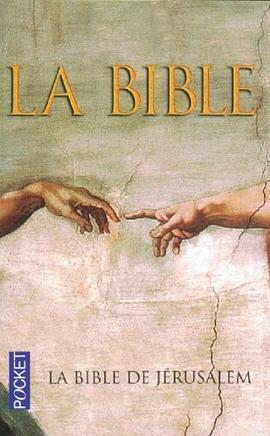
这本书的封面设计得非常引人注目,那种古典与现代交织的风格,一下子就抓住了我的眼球。拿到手里掂量了一下分量,感觉内容肯定很扎实,不是那种轻飘飘的速成读物。我一直对那些晦涩难懂的古籍抱有一种敬畏又好奇的心态,总觉得它们藏着什么深邃的智慧,但又常常因为缺乏有效的引导而望而却步。这本书的排版看起来清晰明了,页边距的处理很舒服,这对于长时间阅读来说简直是福音。我注意到它在章节划分上似乎采用了某种独特的逻辑,不是简单的按时间顺序排列,而是更侧重于主题的提炼和脉络的梳理,这一点让我非常期待。从目录初览来看,作者似乎非常注重打通不同文本之间的关联性,试图构建一个整体的理解框架,而不是孤立地看待每一篇章。这种宏观的视角,恰恰是我一直以来在学习过程中所欠缺的。我希望它能像一位经验丰富的老向导,带着我这个初学者,稳健地走入那片广袤的知识森林,而不是直接把我丢在迷宫中央。包装上的那段简短介绍虽然没有透露过多细节,但那种沉稳、内敛的气质,让人感觉这是一部经过深思熟虑的作品,值得花时间去细细品味。
这本书的附录和索引部分做得非常出色,这对于任何一本参考性质的厚重读物来说,都是衡量其专业水准的重要指标。我随便翻看了一下索引,发现它涵盖的关键词非常全面,交叉引用做得也很清晰,这意味着当我需要回溯某个特定的概念或人物时,能够迅速定位,极大地提升了查阅效率。更值得称赞的是,作者在文末列举的参考书目,那份详尽程度简直令人肃然起敬,它清晰地展示了作者在撰写过程中所参考的原始资料和二手研究,这为读者提供了进一步深入研究的清晰路径。这种透明度和对学术来源的尊重,是优秀著作的标志。它没有把自己的观点当作唯一的真理,而是提供了一个坚实的研究基础,鼓励读者带着批判性的眼光继续探索。总而言之,这本书不仅是一次愉快的阅读体验,更是一个高质量研究项目的成果展示,它为我开启了一扇通往更深层次理解的大门,我非常期待能将它作为我未来学习和思考的核心参考书。
我最近购买了不少关于文化史和古代文学的书籍,很多都因为过于学院派的写作风格而让我难以坚持。这本书的文字魅力是它区别于其他同类作品的关键所在。它没有使用冗长晦涩的从句或者堆砌生僻的学术词汇,相反,它选择了极其流畅、富有画面感的现代汉语(或者我购买的这个译本是高质量的翻译)。读起来,那些古老的意象和象征仿佛在我眼前鲜活起来,不再是僵硬的文字符号。作者在阐释一些深奥的寓言或神话时,总能找到现代人可以共鸣的切入点,这种“古今对话”的处理手法,极大地降低了理解的门槛。我甚至发现自己开始在日常的思考中,不自觉地运用书中提到的一些分析框架来审视周围的世界,这说明作者不仅仅是传递了知识,更是植入了一种新的思维模式。如果一本书能改变你思考世界的方式,那它就成功了一大半,而这本书似乎正朝着这个目标迈进。