具体描述
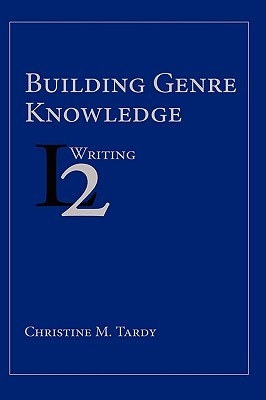
Although genre studies abound in literary criticism, researchers and scholars interested in the social contexts of literacy have recently become interested in the dynamic, rhetorical dimensions of speech genres. Within this burgeoning scholarly community, the authors are among the first researchers working within social science traditions to study genre from the perspective of the implicit knowledge of language users. Thus, this is the first sociocognitive study of genre using case-study, naturalistic research methods combined with the techniques of rhetorical and discourse analysis. The term "genre knowledge" refers to an individual's repertoire of situationally appropriate responses to recurrent situations -- from immediate encounters to distanced communication through the medium of print, and more recently, the electronic media. One way to study the textual character of disciplinary knowledge is to examine both the situated actions of writers, and the communicative systems in which disciplinary actors participate. These two perspectives are presented in this book.
The authors' studies of disciplinary communication examine operations of systems as diverse as peer review in scientific publications and language in a first grade science classroom. The methods used include case study and ethnographic techniques, rhetorical and discourse analysis of changing features within large corpora and in the texts of individual writers. Through the use of these techniques, the authors engaged in both micro-level and macro-level analyses and developed a perspective which reflects both foci. From this perspective they propose that what micro-level studies of actors' situated actions frequently depict as "individual processes," can also be interpreted -- from the macro-level -- as "communicative acts within a discursive network or system."
The research methods and the theoretical framework presented are designed to raise provocative questions for scholars, researchers, and teachers in a number of fields: linguists who teach and conduct research in ESP and LSP and are interested in methods for studying professional communication; scholars in the fields of communication, rhetoric, and sociology of science with an interest in the textual dynamics of scientific and scholarly communities; educational researchers interested in cognition in context; and composition scholars interested in writing in the disciplines.
作者简介
目录信息
读后感
用户评价
这本书的封面设计简直是视觉盛宴,色彩搭配既专业又不失艺术感,立刻抓住了我的注意力。装帧的质感也相当出色,拿在手里沉甸甸的,让人有一种“这是本好书”的直觉。我最欣赏的是它排版的考究,字体选择和行间距的处理都透露出一种严谨的气息,阅读起来非常舒适,长时间盯着也不会感到眼睛疲劳。作者似乎对手工书制作也有一定研究,这种对细节的关注,让我对书的内容本身也充满了期待。它不仅仅是一本工具书,更像是一件值得收藏的艺术品,放在书架上都觉得倍有面子,每次路过都会忍不住想多看几眼。
这本书的实用性超乎我的想象,简直可以称得上是我的“案头宝典”。我发现书中介绍的很多沟通策略和工具,我都可以立即应用到我日常的工作和研究计划中去,并且立刻看到了效果。例如,关于如何撰写摘要以适应不同学科读者的那几页内容,简直是神来之笔,我立刻根据书中的建议修改了我正在准备的一份报告,反馈效果立竿见影。它不仅仅停留在理论层面,更像是一位资深前辈在手把手地指导你如何在这个复杂的学术生态中游刃有余,这种直击痛点的实用价值,是很多空泛理论书籍无法比拟的。
这本书的结构编排简直是教科书级别的典范,逻辑链条清晰到令人惊叹。从宏观的理论框架搭建,到微观的实操技巧传授,每一步都衔接得天衣无缝。我尤其欣赏它在引用和注释上的严谨态度,参考文献的广度和深度都显示出作者在相关领域深厚的积累和扎实的研究功底。书中的图表和模型设计得极为精妙,即便是初次接触这个领域的读者,也能通过这些视觉辅助工具迅速抓住核心要点。这种层次分明的组织方式,让我在梳理知识脉络时感到异常轻松,大大提高了我的学习效率。
与其他同类书籍相比,这本书最打动我的是它所蕴含的批判性思维的引导。作者并没有直接给出标准答案,而是不断地挑战读者的固有认知,鼓励我们去质疑那些看似理所当然的“规则”。在探讨“何为有效沟通”的部分,作者提出了很多发人深省的观点,迫使我重新审视自己在学术环境中的沟通习惯。这种启发式的写作风格,让我感觉自己不是一个被动接受知识的容器,而是一个主动参与到思想构建过程中的伙伴。阅读完后,我的思维框架似乎被拓宽了不少,看待问题的角度也变得更加多元和审慎。
我发现这本书的叙事方式非常独特,它不是那种干巴巴的理论堆砌,而是采用了大量的案例分析和情景模拟,把复杂的概念讲得深入浅出。我原本以为这类主题会让人昏昏欲睡,但作者的笔触却充满了活力和洞察力。特别是其中关于跨文化交流障碍的章节,简直是如醍醐灌顶,作者用一种近乎讲故事的口吻,剖析了不同学术圈子之间交流的微妙之处。这种叙述的节奏感把握得极好,总能在关键时刻抛出一个引人深思的问题,让人忍不住想立刻翻到下一页寻找答案,阅读体验非常流畅,完全不像在“学习”,更像是在进行一场智力上的冒险。