具体描述
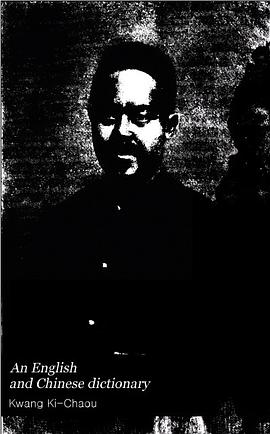
1868年,鄺其照著的《字典集成》在香港的中華印務總局出版,後來第三版時改名《華英字典集成》。這是第一本由中國人編著的英語學習字典。(不同於更早英國傳教士馬禮遜編成的中國第一部英語學習詞典。)
鄺其照,字容階,廣州聚龍村人。1875年(光緒元年)第四批官費留學生三十人搭船赴美,就是由他率領。此外,從一些零星的資料裡,還可以看到鄺其照曾任清朝政府派駐新加坡的商務領事、駐美商務參贊助理等職。
《華英字典集成》出版時,深受注目。光緒元年再版時,是丁日昌封面題字。後來市面上除了有一些翻刻本(點石齋就有一個版本)之外,到1899年,商務印書館還加以修訂、增補,出版了自己的第一部英漢詞典:《商務印書館華英字典》。(照點石齋版本的說法,以及日本關西大學內田慶市的考證,《華英字典集成》應該是以1840年代英國人麥都思〔Medhurst〕的《英漢字典》為藍本。)
《華英字典集成》對日本的影響也很大。書成初版的那一年,是日本明治元年,正是中日兩國國力消長互見的年代。第二年,1869年,日本經由上海美華書館的美國活版技師,把活版印刷術帶入日本,引發了接下來的出版與知識革命。之後,日本除了有永峰秀樹訓譯的《華英字典》(竹雲書屋發行)之外,1899年增田藤之助也據以「校訂編纂附譯」而成《英和雙解熟語大詞彙》(英學新志社出版)。曾經,周作人在一篇文章〈翻譯與字典〉中,提到據說連日本福澤諭吉學英文的時候,都是用《華英字典集成》。直到今天,日本還是有人對《華英字典集成》保持研究。
鄺其照的著作,另外還有1881年在紐約出版的A Dictionary of English Phrases with Illustrated Sentences(後來在1901年在日本由國民英學會出版局出版過);1886年在廣州創辦過一份《廣報》;最後,還可以零星地知道他寫過一本《應酬寶笈》(Manual of correspondence and social usages),以及《台灣番社考》(所以應該是來過台灣)。
A Monumental Lexicon of East and West: Unveiling the Rich Tapestry of Language and Culture This volume, An English and Chinese Dictionary (1887), stands as a testament to the burgeoning global exchange and intellectual curiosity of the late 19th century. Far more than a mere compilation of words, it represents a significant endeavor to bridge linguistic and cultural divides, offering a comprehensive gateway into the nuances of both English and Chinese at a pivotal moment in history. A Comprehensive Lexical Foundation: At its core, this dictionary provides an exhaustive inventory of vocabulary, meticulously curated to reflect the richness and complexity of both languages. For English speakers seeking to comprehend the intricacies of Chinese, it offers clear and accurate translations, accompanied by phonetic transcriptions where appropriate, to aid in pronunciation and understanding. Conversely, for Chinese scholars and merchants venturing into the English-speaking world, it serves as an indispensable tool for deciphering the language of commerce, diplomacy, and burgeoning scientific discourse. The dictionary's strength lies not only in its breadth but also in its depth. It anticipates the needs of a diverse readership, catering to a wide range of contexts. Whether the user is a seasoned scholar grappling with classical texts, a merchant negotiating trade agreements, a missionary seeking to communicate spiritual messages, or simply an individual with a keen interest in foreign cultures, this lexicon offers the necessary vocabulary and explanations to navigate these diverse spheres. Beyond Mere Translation: Unveiling Cultural Context: Crucially, An English and Chinese Dictionary (1887) transcends the limitations of simple word-for-word translation. Recognizing that language is inextricably woven into the fabric of culture, the compilers have taken great care to imbue the definitions with contextual understanding. This is evident in the inclusion of idiomatic expressions, proverbs, and cultural references that shed light on the underlying worldview and societal norms of each language's origin. For instance, a simple translation of a common English phrase might be accompanied by its Chinese equivalent, along with an explanation of the cultural connotations or historical background that gives it its specific meaning. Similarly, Chinese terms are not presented in isolation, but rather are contextualized within their cultural milieu, allowing English readers to grasp not just the literal meaning but also the spirit and intent behind the words. This nuanced approach fosters a deeper appreciation for the distinct cultural perspectives embedded within each language, moving beyond superficial understanding to genuine cross-cultural insight. A Reflection of Historical Exchange: The very existence of such a comprehensive bilingual dictionary in 1887 speaks volumes about the intensifying interactions between England and China during that era. It reflects a period of significant economic, political, and intellectual engagement. The need for such a resource underscores the growing importance of communication for trade, diplomacy, and the exchange of knowledge. This dictionary, therefore, is not just a linguistic artifact but also a historical document, offering a tangible glimpse into the cross-cultural dialogues and encounters that shaped the world at the close of the 19th century. The Compilers' Dedication: The meticulous craftsmanship evident in An English and Chinese Dictionary (1887) points to the immense dedication and scholarly rigor of its compilers. Undertaking such a monumental task required a profound understanding of both languages, a keen eye for detail, and a commitment to accuracy. Their efforts have resulted in a work of enduring value, a bridge built through shared linguistic understanding that has facilitated countless connections and fostered mutual comprehension. A Legacy of Learning and Connection: In an age where global interconnectedness is increasingly paramount, the legacy of An English and Chinese Dictionary (1887) continues to resonate. It stands as a powerful reminder of the enduring importance of language as a tool for understanding, collaboration, and the enrichment of human experience. For anyone seeking to delve into the linguistic landscapes of English and Chinese, or to explore the rich tapestry of cultures they represent, this dictionary remains an invaluable and inspiring resource. It is a testament to the power of dedicated scholarship and the profound impact of bridging linguistic divides, opening doors to new perspectives and fostering a deeper appreciation for the shared human journey.