
具体描述
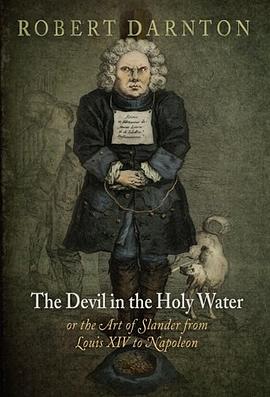
Slander has always been a nasty business, Robert Darnton notes, but that is no reason to consider it a topic unworthy of inquiry. By destroying reputations, it has often helped to delegitimize regimes and bring down governments. Nowhere has this been more the case than in eighteenth-century France, when a ragtag group of literary libelers flooded the market with works that purported to expose the wicked behavior of the great. Salacious or seditious, outrageous or hilarious, their books and pamphlets claimed to reveal the secret doings of kings and their mistresses, the lewd and extravagant activities of an unpopular foreign-born queen, and the affairs of aristocrats and men-about-town as they consorted with servants, monks, and dancing masters. These libels often mixed scandal with detailed accounts of contemporary history and current politics. And though they are now largely forgotten, many sold as well as or better than some of the most famous works of the Enlightenment. In The Devil in the Holy Water, Darnton-winner of the National Book Critics Circle Award for his Forbidden Best-Sellers of Pre-Revolutionary France and author of his own best-sellers, The Great Cat Massacre and George Washington's False Teeth-offers a startling new perspective on the origins of the French Revolution and the development of a revolutionary political culture in the years after 1789. He opens with an account of the colony of French refugees in London who churned out slanderous attacks on public figures in Versailles and of the secret agents sent over from Paris to squelch them. The libelers were not above extorting money for pretending to destroy the print runs of books they had duped the government agents into believing existed; the agents were not above recognizing the lucrative nature of such activities-and changing sides. As the Revolution gave way to the Terror, Darnton demonstrates, the substance of libels changed while the form remained much the same. With the wit and erudition that has made him one of the world's most eminent historians of eighteenth-century France, he here weaves a tale so full of intrigue that it may seem too extravagant to be true, although all its details can be confirmed in the archives of the French police and diplomatic service. Part detective story, part revolutionary history, The Devil in the Holy Water has much to tell us about the nature of authorship and the book trade, about Grub Street journalism and the shaping of public opinion, and about the important work that scurrilous words have done in many times and places.
作者简介
目录信息
读后感
用户评价
初翻开目录时,我几乎被那种严谨的学术结构所震撼,它不像某些流行历史读物那样追求故事的流畅性,反而更倾向于一种庖丁解牛式的解构。每一个章节的标题都像一把精准的手术刀,直指某个关键的历史转折点或人物的命运节点。我注意到作者在引言中似乎花了大量的篇幅来定义“诽谤”在那个特定历史语境下的社会功能,这表明他不仅仅是在罗列事件,更是在探讨一种权力运作的“艺术”。这种理论框架的建立,让我对后续内容的期待值拉得更高了。我设想,作者必然会描绘出早期的八卦小册子如何演变成一种系统性的政治宣传工具,而那些被攻击的对象,他们的名誉又是如何一步步被蚕食殆尽的。想象一下,在那个信息传播缓慢的年代,一个精心编织的谣言,是如何像瘟疫一样扩散,最终摧毁一个贵族的政治生涯,甚至影响王室决策。这种对“话语权”的精妙分析,想必是这本书的核心魅力所在。它不是在讲谁赢了战争,而是在讲他们是如何通过口舌之战赢得了人心——或者说,是如何失去了人心。
这本书的排版风格也极其古典,字体选择和行距的处理,都给人一种阅读十八世纪文献的沉浸感。虽然我还没开始阅读正文,但我翻阅过程中注意到了页边空白处那些细小的注释标记,这让我对作者的史料扎根之深信服不已。通常,只有真正下过苦功的研究者,才会如此不吝笔墨地标注出处,这无疑是对那些热衷于考证的读者的一种无声的尊重。我期待看到作者如何平衡叙事性和史料的厚重感。如何将那些冰冷的档案记录,转化成有血有肉的故事?比如,路易十四时期那些关于宫廷丑闻的秘闻,它们是如何被精心炮制出来,又如何被用来巩固波旁王朝的绝对统治的?而到了拿破仑时期,随着印刷术的进步和革命思想的传播,这种“诽谤的艺术”是否也随之进化,变得更加高效和大众化了?我猜想,这本书里一定充满了关于权力精英之间那种心照不宣的、却又刀光剑影的智力博弈的精彩描绘。
这本书的纸张触感非常独特,略带粗糙,这种质感让我感觉手中捧着的不是一本普通的畅销书,而更像是一部被精心保存下来的历史文集。它的分量感让人联想到那些需要耐心才能消化的经典著作,而不是速食读物。我一直对权力运作背后的“软实力”很感兴趣,而“诽谤”无疑是其中最锋利也最隐蔽的一种。我预感,这本书将是一场对“声誉政治”的深度剖析。路易十四时代,声誉就是贵族生存的全部筹码;而拿破仑时代,对皇帝的忠诚和对敌人的诋毁,则是通往权力巅峰的必经之路。我期待作者能细致入微地展示,那些被诽谤的个体,他们是如何在绝境中挣扎,他们的反驳又是如何被权力机器无情地压制。这不仅仅是历史,这更像是一部关于人性韧性与卑劣共存的史诗。它承诺提供一个全新的视角,去理解那些我们今天仍在面对的,关于信息操控与公众认知的永恒难题。
我从这本书的副标题——“诽谤的艺术”——中读出了一种近乎讽刺的赞美。作者似乎在承认,无论动机多么卑劣,那些成功地将敌人置于死地的流言蜚内部署,本身就是一种高超的策略展示。这让我联想到当代媒体环境中的“信息战”,尽管背景不同,但核心的人性弱点和操控手法或许是相通的。我好奇作者如何将跨越两个世纪、横跨两种截然不同的政治体制(君主专制与帝国革命)的现象进行有机串联。这种比较研究的难度极高,需要极强的驾驭史料的能力。我特别想知道,作者是如何处理那些模糊不清的、半真半假的宫廷传闻的?他是选择采纳并分析其社会影响,还是会严苛地去辨别其真伪?如果作者能够清晰地梳理出,诽谤的载体——从小抄本到报纸——是如何改变其传播的效率和破坏力的,那么这本书的价值将不仅仅停留在历史研究层面,更会触及传播学的前沿思考。
这本书的封面设计着实引人注目,那深沉的墨绿色调配上烫金的字体,立刻就给人一种穿越时空、探寻历史幽微之处的错觉。我是在一家独立书店的角落里偶然发现它的,当时正被一堆当代文学淹没,这本书仿佛自带一种沉稳的磁场,将我吸引过去。它的装帧厚重而考究,拿在手里就能感受到作者对这个选题的严肃态度。虽然我还没有深入阅读内容,但仅凭这外在的质感,我就能预感到这绝非一本轻飘飘的谈资,而是一部需要坐下来,沏一壶好茶,细细品味的力作。书名本身就充满了张力——“圣水中的魔鬼”,这种神圣与堕落的并置,预示着作者将要揭示的,必然是那些隐藏在光鲜历史表象下的权力游戏与人性阴暗面。我猜想,作者定是在浩如烟海的档案中搜寻,试图还原那个时代精英阶层如何运用最隐蔽的武器——诽谤与流言,来达成政治目的的复杂图景。这种对历史细微肌理的挖掘,对于偏爱深度历史研究的读者来说,无疑是一份巨大的诱惑。我期待看到作者如何勾勒出路易十四宫廷的华丽与残酷,以及拿破仑时代那种紧张到令人窒息的舆论氛围。