
具体描述
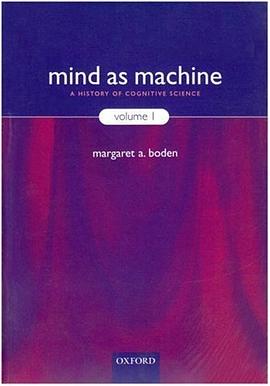
The development of cognitive science is one of the most remarkable and fascinating intellectual achievements of the modern era. The quest to understand the mind is as old as recorded human thought; but the progress of modern science has offered new methods and techniques which have revolutionized this enquiry. Oxford University Press now presents a masterful history of cognitive science, told by one of its most eminent practitioners. Cognitive science is the project of understanding the mind by modelling its workings. Psychology is its heart, but it draws together various adjoining fields of research, including artificial intelligence; neuroscientific study of the brain; philosophical investigation of mind, language, logic, and understanding; computational work on logic and reasoning; linguistic research on grammar, semantics, and communication; and anthropological explorations of human similarities and differences. Each discipline, in its own way, asks what the mind is, what it does, how it works, how it developed - how it is even possible.The key distinguishing characteristic of cognitive science, Boden suggests, compared with older ways of thinking about the mind, is the notion of understanding the mind as a kind of machine. She traces the origins of cognitive science back to Descartes's revolutionary ideas, and follows the story through the eighteenth and nineteenth centuries, when the pioneers of psychology and computing appear. Then she guides the reader through the complex interlinked paths along which the study of the mind developed in the twentieth century. Cognitive science, in Boden's broad conception, covers a wide range of aspects of mind: not just 'cognition' in the sense of knowledge or reasoning, but emotion, personality, social communication, and even action. In each area of investigation, Boden introduces the key ideas and the people who developed them. No one else could tell this story as Boden can: she has been an active participant in cognitive science since the 1960s, and has known many of the key figures personally. Her narrative is written in a lively, swift-moving style, enriched by the personal touch of someone who knows the story at first hand.Her history looks forward as well as back: it is her conviction that cognitive science today - and tomorrow - cannot be properly understood without a historical perspective. Mind as Machine will be a rich resource for anyone working on the mind, in any academic discipline, who wants to know how our understanding of our mental activities and capacities has developed.
作者简介
目录信息
读后感
用户评价
这本书的论证风格简直是教科书级别的典范,它展现了一种罕见的、将哲学思辨与实证科学方法完美结合的能力。许多探讨心灵哲学的书籍往往陷于诠释的泥沼,而这本书则始终坚持用一种“可操作性”的视角来定义和检验心智功能。我读到关于“自我模型”构建的那部分时,简直有种醍醐灌顶的感觉。作者没有把“自我”看作一个固定不变的实体,而是将其描绘成一个持续更新、高度优化的内部模拟器,这个模拟器负责预测外部世界并指导行为输出。这种动态的、过程性的理解,极大地拓宽了我对个人身份认同的看法。书中的语言简洁有力,很少有冗余的修饰,每一个句子似乎都在推进一个明确的论点或引入一个关键的概念。对于追求逻辑清晰度和理论严谨性的读者来说,这本书简直是宝藏。它不提供现成的答案,而是提供了一套解决问题的分析框架,教会你如何像科学家一样去审视自己的内心世界。
我购买这本书纯粹是出于对认知科学跨学科研究的好奇心,希望能看到不同领域(比如计算机科学、心理学和神经生物学)是如何在一个统一的框架下对话的。这本书在这方面做得非常出色,它没有偏袒任何一方的学术传统,而是以一种近乎百科全书式的广度和深度,整合了不同阵营的精粹。我尤其欣赏作者在阐述理论时所使用的比喻和类比,虽然内容本身非常硬核,但这些类比总能巧妙地将抽象的概念落地,让一个非专业背景的读者也能抓住核心的思维脉络。例如,书中将某些记忆提取过程比作数据库查询优化,这个形象的描述让我立刻明白了其中的效率考量。这本书的结构设计也十分合理,从基础的符号操作开始,逐步递进到复杂的决策制定和问题解决,每增加一个模块,都会在前一个模块的基础上进行逻辑扩展,形成一个严密无缺的知识体系。读完后,我发现自己看待日常的判断失误和学习障碍的方式都发生了根本性的变化,不再归咎于“运气不好”或“天赋不足”,而是开始分析潜在的算法缺陷。
坦白说,我一开始被这本书的标题吸引,但阅读过程中的体验是极其震撼和富有挑战性的。它绝对不是那种可以轻松翻阅的休闲读物,它要求读者全身心地投入,去追溯那些复杂的逻辑链条和抽象的模型构建。我必须承认,有好几章我不得不放慢速度,甚至需要借助外部资料来理解其中涉及的计算复杂性和系统架构的描述。然而,这种“斗争”是值得的。作者对于认知过程的分解,那种自底向上,从最基础的信号处理单元如何涌现出复杂行为的描绘,简直是艺术品级别的构建。特别是关于“涌现性”的章节,它成功地架起了一座桥梁,连接了硬核的物理基础和我们日常经验中的主观感受,让我看到了看似柔软的意识是如何建立在坚硬的计算基石之上的。我感觉自己仿佛拿到了一个超级显微镜,能够清晰地看到思想的“电路板”是如何铺设的,这比任何哲学家的冥想都要来得实在和令人满足。这本书的深度,使得它能经受住反复的推敲和检验。
这本书简直是为我这种对大脑运作机制充满好奇的人量身定做的!我一直以来都对“意识到底是怎么产生的”这个问题耿耿于怀,读了市面上很多神经科学和哲学书籍,总感觉差点意思,要么过于晦涩难懂,要么就流于表面的哲学思辨。而《思维如机器》(如果我没记错名字的话)给了一种非常扎实、系统性的视角。它没有回避那些棘手的计算模型和信息处理的细节,反而大刀阔斧地将心智活动分解成了可以被逻辑和算法描述的单元。我特别欣赏作者在构建整个认知框架时所展现出的那种工程师般的严谨性,每一步推导都像是精密仪器的校准,让人不得不信服。书中对于“表征”是如何形成的讨论尤其精妙,它不再把心智看作一个神秘的黑箱,而是将其视为一个高效的信息编码和解码系统。对于任何希望从根本上理解学习、记忆乃至决策过程的读者来说,这本书提供了一个强大的理论工具箱,让你能够真正开始“拆解”思维的奥秘,而不是仅仅停留在感性的描述层面。它挑战了许多传统观点,迫使我重新审视自己对“思考”的固有认知,读完之后,我对人机交互和人工智能的未来都有了更深层次的理解和期待。
我通常对这种宏大叙事的科学书籍持保留态度,因为它们很容易在试图解释一切时,最终什么也没解释清楚。但《思维如机器》却成功地避免了这种陷阱。它做到了在保持理论野心的同时,时刻锚定在可观察、可验证的机制之上。我非常喜欢其中对“直觉”的重新定义——它不再是某种神秘的灵感,而是被加速的、资源受限下的高效启发式搜索结果。这种去魅化的过程非常迷人,它将我们最引以为傲的“灵光一闪”还原为一种经过优化的计算过程。这本书的阅读体验就像是进入了一个高度智能化的工厂车间,你不仅看到了最终的成品(行为和意识),更重要的是,你看到了每一个齿轮、皮带和控制面板是如何协同运作的。它没有使用过于花哨的语言,而是用一种沉稳、可靠的语调,一步步引导你穿过迷雾,直达心智运作的核心逻辑。读完后,我感觉自己看待人工智能的进展,乃至人类自身的复杂性,都获得了一个全新的、更加成熟和具有洞察力的视角。