具体描述
%_./1 l~,~ll 1 o<br >The principal historians of the English garden have virtually<br >nothfiag to say about the cottage garden before Gertrude<br >Jekyll discovered it during the second half of the nineteenth<br >century as a source of ideas for larger gardens. Their interest<br >has very properly centred on the origins and growth of the<br >art of laying out gardens and the science of horticulture : that<br >being so, they have sought their material in the great gardens,<br >first of the Romano-British villas, then of the monasteries,<br >the castles and the great country houses of the nobility and<br >gentry. And, of course, it was in the great gardens of the rich<br >and mighty, and not in the little gardens of the poor and<br >humble, that both the art of gardening and the science of<br >horticulture developed.<br > But there is another reason why we find so little about early<br >cottage gardens in the garden histories: there are no, or very<br >very few, documents of any kind. So that if historians have so<br >little to say about cottage gardens until almost modern times,<br >it is for the best of all possible reasons: it is very difficult to<br >find out anything about them. For the whole period of time<br >before the scventeenth century, and one might ahnost say<br >the eighteenth, we have only hints and fragments; it rarely<br >occurred to garden writers, diarists or economists to notice<br >thc poor man s garden. And the great social historians seem<br >to be in no better case, although his small garden must always<br >have been of the very greatest importance, even economic-<br >ally, to the poor man; yet even in so considerable a work as<br >G. M. Trevelyan s tbur-volume English Social History, I doubt<br >whether there are fifty lines about the cottage garden, and<br >there are certainly fewer than that for the cottage garden in<br >the Middle Ages.<br > Moreover, until the time of John Claudius Loudon, say<br >the mid nineteenth century, the leading professional experts,<br >whcthcr artists like Wise, Kent, Capability Brown and<br >Humphry Repton, or the scientific horticulturists, gave their<br >
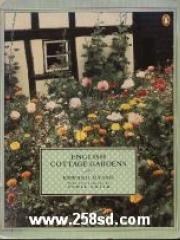
English Cottage Gardens: A Symphony of Bloom and Bliss Embark on a journey into the heart of English garden design, where practicality and poetry intertwine to create spaces of unparalleled charm and enduring beauty. "English Cottage Gardens" is not merely a book about flowers and foliage; it is an invitation to understand the soul of a garden that has captivated hearts for centuries. It delves into the very essence of what makes these humble yet magnificent outdoor rooms so special, exploring their historical roots, the philosophy that underpins their creation, and the practical techniques that bring them to life. This is a guide for anyone who dreams of cultivating their own slice of pastoral paradise, a testament to the enduring appeal of a garden that feels both wild and wonderfully contained. The narrative begins by tracing the lineage of the English cottage garden, a tradition born not from grand pronouncements or aristocratic dictates, but from the necessity and ingenuity of ordinary people. In medieval times, the patch of land surrounding a laborer's cottage was primarily a source of sustenance. Herbs for healing and cooking, vegetables for the table, and a few hardy flowers for color and fragrance – these were the cornerstones of survival. Yet, even in this utilitarian beginning, the seeds of beauty were sown. The practicalities of growing edible and medicinal plants naturally led to a vibrant tapestry of life. As centuries progressed, and particularly with the rise of the Arts and Crafts movement in the late 19th and early 20th centuries, the cottage garden evolved from a purely functional space into an aesthetic statement. It became a deliberate embrace of informality, a rejection of the rigid symmetry and manicured perfection often found in formal gardens. This book explores how this shift occurred, examining the key figures and influences that shaped its development, from influential garden writers and designers to the vernacular traditions that persisted in rural landscapes. We delve into the philosophies of key personalities who championed the cottage garden's ethos – its embrace of the natural, its celebration of abundance, and its unpretentious charm. You will discover how thinkers like Gertrude Jekyll, with her masterful use of color and texture, and William Robinson, a vocal proponent of wilder, more naturalistic planting, profoundly influenced the direction of cottage garden design. Central to the appeal of the English cottage garden is its inherent informality. Unlike the strictly geometrical layouts of formal gardens, cottage gardens thrive on a sense of gentle disorder, a deliberate embrace of what can appear spontaneous. Paths might meander rather than march, hedges might be allowed to soften their edges, and borders are often generously planted, with species mingling and spilling over one another in a delightful, harmonious chaos. This book meticulously breaks down the elements that contribute to this signature style. It examines the importance of layering and density in planting. You will learn how to create depth and visual interest by planting in drifts and blocks, allowing taller plants to rise above shorter ones, and how to incorporate ground cover to create a lush, continuous carpet of green. We explore the concept of "controlled wildness," understanding that while a cottage garden appears effortless, its beauty is often the result of careful planning and thoughtful curation. It's about creating a space that feels natural and abundant, but where every plant has a purpose and a place, contributing to the overall composition. The planting palette of an English cottage garden is incredibly diverse, showcasing a rich history of horticultural exchange and adaptation. This book will guide you through the selection of a wide array of plants, emphasizing those that have stood the test of time, flourishing in the British climate and embodying the cottage garden spirit. Expect to discover sections dedicated to: The Timeless Charm of Roses: From robust, disease-resistant shrub roses that provide months of color to fragrant climbing varieties that adorn walls and arbors, roses are undeniably the queen of the cottage garden. We will explore different types, their care needs, and how to integrate them seamlessly into your planting schemes. Perennials as the Backbone: The true strength of a cottage garden lies in its reliance on perennials. Discover the virtues of classic favorites like Delphiniums, with their soaring spires of blue and purple; Hollyhocks, standing tall and proud against cottage walls; Lupins, adding vibrant splashes of color; and the ubiquitous Lavender, bringing its calming scent and beloved purple haze. The book delves into the benefits of successional blooming, ensuring a continuous display of color and interest from spring through autumn. You'll learn how to select plants that flower at different times, creating a dynamic and ever-changing tableau. Annuals for Instant Impact: While perennials form the foundation, annuals provide the ephemeral bursts of brilliance that define the cottage garden's vibrant personality. From the cheerful faces of Pansies and Violas to the trailing beauty of Nasturtiums and the classic charm of Sweet Peas, annuals offer a fantastic way to fill gaps, add seasonal color, and experiment with new combinations without long-term commitment. Bulbs for Early Awakening: The anticipation of spring is often heralded by the emergence of bulbs. We explore the magic of Snowdrops, Daffodils, Tulips, and Crocuses, and how to naturalize them for a truly organic feel, creating drifts of color that appear as if they have always been there. Shrubs for Structure and Substance: Beyond the herbaceous borders, shrubs provide essential structure, year-round interest, and a sense of permanence. Discover how to use compact varieties of Hydrangeas, fragrant Viburnums, and flowering Currants to create focal points and define spaces. Herbs and Edibles: The practical heritage of the cottage garden is not forgotten. The book celebrates the inclusion of herbs – Rosemary, Thyme, Sage, Mint – not only for their culinary and medicinal uses but also for their attractive foliage and flowers, which often attract beneficial insects. The integration of simple vegetables, like runner beans climbing up poles or the colorful Swiss chard, adds another layer of functionality and visual appeal. Beyond the plant selection, "English Cottage Gardens" delves into the structural elements and hardscaping that contribute to the garden's overall character. Winding paths made of gravel, weathered flagstones, or reclaimed brick invite exploration and guide the eye. Low, informal walls constructed from local stone or rendered brick provide gentle definition and can serve as backdrops for planting. Rustic fences, arbors, and pergolas offer support for climbing plants and create intimate, secluded areas. Even the humble garden shed can become a charming focal point. The book discusses how to achieve a sense of age and patina, using materials that complement the natural environment and have a lived-in quality, avoiding anything that looks too new or artificial. The philosophy of maintenance in a cottage garden is also a crucial aspect explored within its pages. It's not about constant pruning and immaculate tidiness, but rather a more intuitive and responsive approach. We discuss the benefits of mulching, the art of deadheading to encourage further blooms, and the understanding that a certain degree of self-seeding is not only acceptable but often desirable, adding to the garden's evolving charm. This is a garden that rewards observation and gentle intervention, rather than demanding relentless labor. The book encourages gardeners to work with nature, rather than against it, fostering a sense of partnership with their outdoor space. Furthermore, "English Cottage Gardens" acknowledges the role of wildlife and sustainability. A well-planted cottage garden, with its diverse flora and plentiful blooms, naturally becomes a haven for birds, bees, butterflies, and other beneficial insects. We explore how to select plants that provide nectar and pollen sources throughout the year, and how to incorporate features like bird baths and insect hotels to further encourage biodiversity. This isn't just about pretty flowers; it's about creating a living, breathing ecosystem that contributes positively to the local environment. The book is also richly illustrated with stunning photography, capturing the essence of these gardens in all their glory. From wide vistas that showcase the overall composition to close-ups that highlight the intricate beauty of individual blooms and textures, the visual element is paramount in conveying the magic of the English cottage garden. Each image is carefully selected to inspire and inform, demonstrating the principles discussed within the text in a tangible and evocative way. You will find examples of gardens of varying sizes, proving that the cottage garden aesthetic can be adapted and enjoyed in many settings. Ultimately, "English Cottage Gardens" is more than just a horticultural guide; it is a celebration of a way of life, a connection to nature, and an appreciation for enduring beauty. It offers practical advice, historical context, and a generous dose of inspiration for anyone seeking to create a garden that is both a sanctuary for the soul and a vibrant testament to the simple pleasures of life. It is a book for dreamers, for doers, and for anyone who believes that a garden, however small, can be a source of endless joy and profound connection. It encourages you to embrace imperfections, to celebrate abundance, and to find beauty in the everyday, transforming your own patch of earth into a place of true cottage garden bliss.