
具体描述
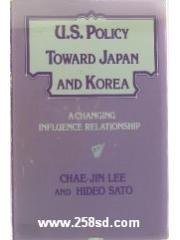
EDITOR S PREFACE<br > The cornerstone of U.S. policy in East Asia is the preservation of Japan and<br >South Korea as independent states firmly linked to the Western world. Although<br >this policy rests on a relatively solid foundation, since the early 1970s the edifice<br >of interlocking diplomatic, military, and economic interests has increasingly<br >experienced periodic shocks that threaten permanent damage to United States-<br >Japanese and United States-South Korean relationships. These bilateral ties have<br >grown more complex and difficult to cement, even as they become more inter-<br >dependent and institutionalized. This study explores the key issues and develop-<br >ments that have shaped those relationships and the ways in which each party<br >has tried to influence the outcome on matters of special concern to it.<br > The dynamics of United States-Japanese and United States-South Korean<br >relations reflect the extraordinary international and regional changes of the past<br >two decades: the emergence of the Soviet Union as a superpower and the global-<br >ization of the United States-Soviet rivalry; the end of the Sino-Soviet alliance;<br >the U.S. defeat in Vietnam and the subsequent erosion of its credibility as an<br >ally and patron; the development of Japan and South Korea as strong economic<br >powers; the energy crisis and growing salience of economic considerations in the<br >policies of all these countries; and the United States-Chinese rapprochement,<br >started by President Nixon in 1972, which tends to reinforce rather than<br >diminish the importance of United States-Japanese and United States-South<br >Korean relations.<br > Japan and South Korea have come a long way from the years immediately<br >after World War II when they were subordinate to Washington. They have each<br >developed strong, cohesive, highly nationalistic societies; built productive,<br >impressive economies, and sought greater latitude in foreign policy. They<br >perceive the United States as weaker in the 1980s than it was in the 1960s, but<br >they are highly vulnerable to attack from outside and remain heavily dependent<br > for security on U.S. military protection. Both are apprehensive over U.S. leader-<br > ship but find their options limited. Though the United States is no longer<br > preeminent globally or regionally and its word is no longer fiat, nonetheless,<br >what it does, or does not do is still crucial to the security, stability, and well-<br > being of Japan and South Korea.<br > Problems aside (and these are developed in extensive and sophisticated<br > fashion by the authors), the United States-Japanese relationship has been an<br > unrivalled success story. From being bitter enemies in war, the two progressed<br >
作者简介
目录信息
读后感
用户评价
这本书的开篇就给我一种身临其境的感觉,作者似乎非常清楚地掌握了战后美日关系从最初的占领与重建,逐步演变为复杂的伙伴与竞争者的微妙平衡。我尤其欣赏作者在梳理历史脉络时所展现出的那种细腻的笔触,他没有简单地罗列事实,而是深入挖掘了政治家们在关键决策背后的深层动机和时代背景的制约。读到关于经济摩擦如何渗透到外交层面的部分,我仿佛能看到当时华盛顿和东京的会议室里,空气中弥漫着紧张的气氛,那种非语言的沟通和潜台词的博弈,都被作者描绘得栩栩如生。更不用说,作者对文化差异如何影响政策制定的洞察,这一点常常被宏大叙事所忽略,但它却是理解两国关系韧性的关键所在。这本书的价值在于,它不仅仅是一部历史记录,更像是一部关于“如何处理权力转移与联盟维护”的教科书,尽管它聚焦于特定国家,但其背后的战略思考具有极强的普适性。我感觉自己不是在阅读学术著作,而是在参与一场跨越半个多世纪的、关于国家利益与共同安全的深度对话。
这本书最让我感到震撼的是其对“权力关系变化”的捕捉能力。作者并没有沉溺于描述美国过去的辉煌,而是将笔触重点放在了对未来影响力的重新校准上。从对日本技术主导权的担忧,到对韩国在全球供应链中地位提升的战略评估,我们可以清晰地看到美国政策制定者们是如何面对“相对衰落”的现实,并试图通过更具适应性和更分散风险的策略来维系其主导地位。这种对“影响力稀释”的诚实评估,让这本书超越了传统的赞美或批评的范畴,达到了一种冷静的、近乎临床般的分析水平。我尤其欣赏作者对软实力衰退的讨论,这不仅仅是文化输出的成败,更关乎规则制定权和议程设置权。通读下来,我形成了一个观点:未来的美日韩关系,将不再是简单的“美国说了算”的单极控制,而是一种在多极化趋势下,依靠共同利益的脆弱纽带维系的“相互依赖管理”。
从整体的写作风格来看,这本书的严谨性是毋庸置疑的,但其叙事节奏的张弛有度,也确保了它不会沦为枯燥的学术论文集。作者善于在宏大的战略框架下,巧妙地穿插具体的政策文件解读和关键人物的访谈片段,使得理论论证有了坚实的现实支撑。比如,在讨论某项经济协议的细节时,作者会立刻跳回到当时白宫椭圆形办公室内的激烈辩论场景,这种场景化的叙事瞬间激活了冰冷的政策条文。对于希望深入了解东亚地缘政治演变的读者来说,这本书就像是一份精心准备的“路线图”,它不仅指明了过去走过的路,更重要的是,它清晰地标示了当前的分岔口和潜在的陷阱。我合上书本时,脑海中浮现的不是一堆孤立的事件,而是一个相互交织、不断进化的权力网络,这正是优秀政策分析作品的终极体现。
令人耳目一新的是,作者在书中并没有将日韩关系视为美朝政策的附属品,而是独立且深入地探讨了美、日、韩三边关系在东亚安全架构中的“三角互动”。这种处理手法非常高明,它揭示了日韩历史遗留问题如何像一个隐形的“绊脚石”,时不时地干扰甚至破坏美国希望构建的统一战线。我印象非常深刻的是,作者论述了在面对共同外部威胁时,日韩两国在资源分配、信息共享乃至军事合作上的微妙阻碍,这些阻碍往往源于对历史叙事的不同理解。这种“内部张力”的分析,极大地丰富了我对印太战略稳定性的认知。如果说前半部分是关于双边关系的深度解剖,那么后半部分则是关于如何管理一个“不完全合作的联盟体系”。我感觉自己被作者拉入了一个高难度的地缘政治棋局,每一步棋的落子都必须考虑到邻国(日韩)之间的微妙脸色和历史包袱,这比单纯的冷战思维要复杂得多。
这本书在处理美韩关系的部分,展现出了一种截然不同的、更加侧重于安全困境和区域动态的视角。相较于美日之间那种近乎“家庭成员”式的复杂情感纠葛,美韩的关系似乎更多地建立在一系列周期性的危机管理之上,这种对比分析本身就极具启发性。我特别喜欢作者对“安全赌注”的论述,即美国如何持续平衡对韩国安全承诺的深度与维持区域稳定的广度之间的矛盾。在阅读过程中,我反复思考了朝鲜半岛局势的“钟摆效应”——每当区域紧张局势升级,韩方的战略自主诉求就会被放大,而美国则需要在维持威慑力和避免过度激化局势之间走钢丝。作者对韩国国内政治对外交政策影响的分析也相当到位,那种民意波动如何直接转化为对驻军问题的压力,使得政策分析不再是空中楼阁,而是深深植根于社会土壤之中。总而言之,这部分内容让人深刻体会到,联盟关系并非一成不变的契约,而是一个需要不断用国内政治成本去“购买”和“维护”的动态平衡。