
具体描述
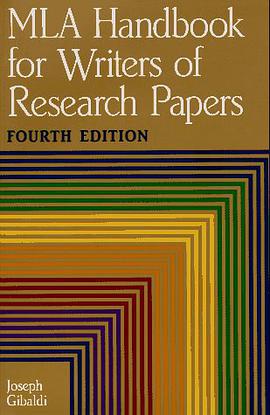
From Library Journal Now a standard for students throughout the U.S., the original style sheet was published in 1951 and the first edition in book form appeared in 1977. This newest edition has been expanded to cover electronic searching methods, using computers to write research papers, and citing electronic publications. An excellent section on library use clearly explains paper and online catalogs. While there is no comparison of different word-processing programs, computers are touted as making the research writer's job much easier by combining steps and allowing movement between outlines and drafts. The new section on citing electronic formats is done well and with common sense; more than once, the reader is told that if complete information cannot be found, cite what is available. This new edition of a standard style handbook should be in every library.?Lisa J. Cochenet-Cihlar, Winfield P.L., Ill.Copyright 1995 Reed Business Information, Inc. From Booklist This fourth edition of a publication based on the "MLA Style Sheet," begun more than 40 years ago, includes a great deal of information about using and citing electronic sources. Designed as a "comprehensive picture of how research papers are created," the handbook was last published in 1988. It will be used by researchers from high school and up. It is aimed at students; The MLA Style Manual (1985) is aimed at scholars. The handbook takes readers through the research paper process step by step, and includes information on narrowing the topic, outlining, note taking, etc. Before dealing with such mechanics of writing as spelling, punctuation, and format, the manual covers the use of catalogs (online and paper), indexes, and databases in the library and offers a list of some standard print and electronic reference works. The sections on documentation in text and citations seem to include every type of source and possible variable. The work concludes with abbreviations for terms used in research, reference sources by subject, and some examples of other styles of documentation. Examples within each section are printed in a font different from the explanatory text, a feature that allows the user to easily find the appropriate format. Chapters are divided by subtopics with numeric denotation; an index makes topics easy to find.Public and academic libraries should update their style manuals with this edition because of the inclusion of electronic sources, portable and online. High schools that use the MLA style should also include it in their library collections.
作者简介
目录信息
读后感
用户评价
这本书带来的最大转变,在于它让我对学术写作中的“声音”有了更清晰的认识。过去我总觉得 MLA 格式就是一堆僵硬的符号和标点,但深入阅读第九版后才明白,规范的背后是对研究者清晰表达的尊重。手册中关于脚注和尾注的使用规范,以及如何处理复杂的多作者、多版本材料的引述方式,都体现了对细节的极致追求。更重要的是,它提供的不仅仅是静态的模板,而是鼓励我们在面对新兴的、尚未被明确界定的研究媒介时,能够运用其核心原则,构建出合理且可被追踪的引用方式。这种引导读者进行主动思考的教学方法,是我认为它超越其他同类书籍的关键所在。它教会了我如何成为一个负责任的知识贡献者,确保我的研究成果能够被同行准确地验证和引用,这是一种专业素养的培养,远比记住一个句子的格式重要得多。
如果用一个词来形容这本书带给我的体验,那就是“结构化思维的培养”。我过去写论文常常陷入“想到哪写到哪”的泥潭,导致引言和结论缺乏强有力的支撑。这本手册在讲解引用规则的同时,巧妙地穿插了大量关于如何进行研究、如何整合证据、以及如何进行批判性分析的建议。例如,它对如何有效地进行文本内引用(In-Text Citation)给出了非常明确的指导,告诉我们什么时候应该使用长引文,什么时候应该转述或总结,以及如何避免无意的剽窃。这种对“证据链”构建的关注,使得阅读过程不再是简单的查阅规则,而更像是一场关于学术推理的训练。我发现自己在使用这本书的同时,也在潜移默化地提升着自己的批判性阅读能力,因为手册强调的都是基于清晰逻辑的引用实践。对于刚接触学术规范的学生,这本书的帮助是基础性的,而对于资深研究者,它提供了回顾和精进规范的最佳参照。
我对这本手册的评价是:实用性极强,但阅读体验略显严肃。从实用角度来看,它的检索功能做得非常好,无论是目录设计还是关键术语的标注都十分清晰,遇到问题时翻阅起来毫不费力,这是它作为工具书的最高价值体现。然而,作为一个阅读材料,它的语言风格保持着高度的正式和学术性。这当然是为了确保规范的准确传达,但对于希望通过阅读来获得写作灵感的读者来说,可能需要更多的“案例故事”或“反面教材”来佐证某些规则的必要性。我个人更喜欢它在讨论MLA风格的历史演变和指导原则时所展现出的清晰逻辑,这部分内容能帮助读者理解“为什么是这个格式”,而不是仅仅接受“就是这个格式”。总而言之,它是一本你希望用不着,但一旦需要就绝对离不开的权威工具书,建议把它常备在书桌触手可及的地方。
**MLA Handbook for Writers of Research Papers (第九版)** 这本手册简直是学术写作的“圣经”!我刚开始接触大学研究写作时,对引用格式和文献综述简直是一头雾水。市面上关于MLA格式的书籍不少,但大多要么过于简略,让人抓不住重点,要么就是冗长得让人望而却步。然而,这本第九版的《MLA Handbook》完全不一样。它不仅仅是一本格式指南,更像是一位经验丰富的导师在手把手教你如何清晰、有逻辑地组织你的论点。书中对引文规范的解释非常细致入微,无论是网页、期刊文章、还是最新的数字媒体资源,它都提供了清晰的示例和步骤。我特别欣赏它对于“源头权威性”和“信息伦理”的强调,这远超出了简单的格式要求,直接关系到一篇研究论文的学术诚信。初次使用时,我花了大量时间在“Works Cited”页面的标点符号和大小写上纠结,但随着使用频率的增加,我发现手册的索引和结构设计得非常人性化,很快就能定位到所需信息。对于任何需要撰写规范MLA格式学术论文的学生或研究人员来说,这本书的价值是无法估量的,它能有效避免因格式错误而损失的分数,并帮助你构建起扎实的学术基础。
说实话,拿到这本书时我有点犹豫,因为过去的版本给我留下的印象是“枯燥的规则手册”。然而,第九版带来的改进是革命性的。它显然吸取了数字时代对研究方法冲击的教训,极大地扩展了对非传统资源引用方式的讨论。过去我们总是在为引用社交媒体帖子、播客或者在线数据库中的复杂数据集而苦恼,这本书给出了相当实用的解决方案和指导原则,强调了“核心元素”的引用框架,这比死记硬背特定资源类型的格式要灵活得多。我的专业领域涉及大量跨学科的数字人文研究,过去我常常需要查阅好几份不同的指南才能拼凑出一个满意的引用方案,但现在,这本书几乎涵盖了所有我能想到的资源类型。阅读过程中,我发现它对“作者意图”和“读者期望”的讨论也十分深刻,这使得我们在构建论证时,不仅要考虑“引用什么”,更要考虑“如何有效呈现这些引用”,从而提升了整体的论述效果。