
具体描述
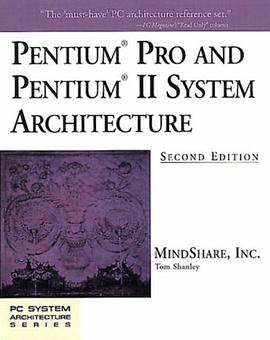
"This series of books is truly an important part of my library...I would recommend them to anyone doing hardware design or support, as well as to any developers who write low-level system code." -Paula Tomlinson, Windows Developer's Journal Pentiumi Pro and Pentiumi II System Architecture, Second Edition, details the internal architecture of these two processors, describing their hardware and software characteristics, the bus protocol they use to communicate with the system, and the overall machine architecture. It also describes the BIOS Update Feature. Written for computer hardware and software engineers, this book offers insight into how the Pentium Pro and Pentium II family of processors translates legacy x86 code into RISC instructions, executes them out-of-order, and then reassembles the result to match the original program flow. In detailing the Pentium Pro and Pentium II processors' internal operations, the book reveals why the processors generate various transaction types and how they monitor bus traffic generated by other entities to ensure cache consistency. This new edition includes comprehensive coverage of the Pentium II processor.It highlights the differences between the Pentium Pro and Pentium II processors, in particular, the Slot 1 connector and the processor cartridge design utilized by the Pentium II and intended for use in future Intel processors. It features the Pentium II's support for the MMX instruction set and registers, and shows how it is optimized for 16-bit code execution. This book also describes the Pentium II's L2 cache and its support for power-conservation modes.Pentiumi Pro and Pentiumi II System Architecture, Second Edition, also covers: *the relationship of Pentium Pro and Pentium II processors to other processors, PCI bridges, caches, and memory *detailed descriptions of the data, code, and L2 caches *power-on configuration and processor startup *transaction deferral *instruction, register set, paging, and interrupt enhancements to the Pentium Pro and Pentium II *BIOS Update Feature *Machine Check Architecture *performance monitoring and the Time Stamp Counter *MMX register and instruction set supported by the Pentium II *overview of the Intel 450KX, 450GX, and 440FX chipsets The PC System Architecture Series is a crisply written and comprehensive set of guides to the most important PC hardware standards. Each title is designed to illustrate the relationship between the software and hardware and explains thoroughly the architecture, features, and operations of systems built using one particular type of chip or hardware specification. 0201309734B04062001
作者简介
目录信息
读后感
用户评价
要说《Pentium Pro and Pentium II System Architecture (2nd Edition) (PC System Architecture Series)》给我最大的收获,那绝对是它在系统互连和总线协议方面的深入讲解。在我看来,CPU 固然是整个系统的核心,但如果没有高效的“交通系统”来连接各个组件,再强大的 CPU 也无法发挥其全部潜力。这本书在这方面的内容,简直是太到位了!它详细地介绍了 Pentium Pro 和 Pentium II 时代的主板上,各种总线接口是如何工作的,比如 PCI 总线、AGP 总线,以及它们是如何与 CPU、内存、显卡等设备进行高效通信的。我记得书中对 PCI 总线的各种工作模式,比如突发模式、延迟事务等,都做了非常细致的解释,还通过清晰的图示,展示了数据在总线上传输的过程。这对于理解不同硬件之间的兼容性和性能瓶颈,提供了非常宝贵的视角。当我遇到一些硬件不兼容的问题时,总会不自觉地想起书中的相关章节,往往能从中找到问题的根源。此外,书中对于内存控制器的设计和工作原理的阐述,也让我对内存是如何被 CPU 访问和管理有了更清晰的认识。这本书让我明白,一个完整的 PC 系统,不仅仅是 CPU 的堆砌,更是各种组件之间协同工作的艺术。
读完《Pentium Pro and Pentium II System Architecture (2nd Edition) (PC System Architecture Series)》,我最大的感受就是,这本书对于那些想要深入理解 PC 硬件底层原理的读者来说,简直是不可多得的宝藏。它没有流于表面,而是以一种极其务实的态度,深入剖析了 Pentium Pro 和 Pentium II 这两款处理器在指令集、寄存器、中断处理等方面的架构细节。我印象最深刻的是,书中关于 x86 指令集在这些处理器上的演进和优化,做了非常详细的讲解。它解释了指令是如何被解码、执行,以及 CPU 如何通过各种技术来提升指令的执行效率,比如分支预测、流水线深度优化等等。这些内容对于理解软件是如何在硬件层面运行,以及如何编写出更高效的代码,都有着极大的帮助。而且,书中对于中断机制的讲解,也让我对 PC 如何响应外部事件有了更深的理解。我记得书中详细地描述了中断向量表、中断服务程序的调用流程,以及硬件中断和软件中断的区别。这些底层知识,对于排查系统故障,或者进行系统级优化,都是至关重要的。总的来说,这本书为我构建了一个关于 PC 硬件运作机制的坚实框架。
我得说,《Pentium Pro and Pentium II System Architecture (2nd Edition) (PC System Architecture Series)》这本书,绝对是那些怀揣着“硬件情怀”的爱好者们的福音。它不仅仅是一本技术手册,更像是一部关于 PC 发展史的百科全书,用非常详实的笔触,为我们描绘了 Pentium Pro 和 Pentium II 这两款处理器所处的那个激荡的时代。作者在书中花费了大量的篇幅,来回顾这两代处理器在设计之初所面临的挑战,以及它们是如何通过一系列的技术突破,引领了当时 PC 性能的飞跃。我尤其欣赏它在分析具体技术时,那种严谨而又不失趣味的写作风格。比如,在讲解 Pentium Pro 的超标量架构时,书中详细地介绍了它是如何利用多个执行单元并行处理指令的,还特别提到了它在当时“多指令乱序执行”方面的超前性,这让我对“高性能”的真正内涵有了更深刻的理解。再到 Pentium II,书中又详细阐述了它如何通过更快的时钟频率、更大的二级缓存以及更优化的总线接口,来进一步提升整体性能。读这本书,我不仅仅是在学习技术,更是在感受那个时代工程师们的智慧和创新精神,仿佛能穿越时空,亲历那些技术革新带来的激动人心时刻。
《Pentium Pro and Pentium II System Architecture (2nd Edition) (PC System Architecture Series)》这本书,对我最大的价值在于它提供了一个非常全面的视角来理解 PC 系统的各个组成部分是如何协同工作的。它不仅仅关注 CPU 本身,而是将 CPU 置于整个系统架构的大环境中进行阐述。我尤其欣赏它对于不同代处理器在设计理念和实现方式上的差异性分析。比如,书中对 Pentium Pro 在微架构上的大胆创新,以及 Pentium II 在稳定性、兼容性和性能上的进一步巩固,都进行了详尽的对比和分析。这让我能够更清晰地看到技术发展的脉络和趋势。此外,书中对于一些非常关键的系统级概念,比如虚拟内存、内存管理单元 (MMU) 的工作原理,以及 I/O 端口和内存映射 I/O 的区别,都做了非常深入的讲解。这些内容,让我对操作系统是如何管理硬件资源,以及应用程序是如何与硬件进行交互,有了更深刻的认识。读完这本书,我不再是简单地将 PC 看作一个黑盒子,而是能够理解其中复杂的逻辑和精密的协作。它为我理解更现代的处理器架构,也打下了非常扎实的基础。
这本《Pentium Pro and Pentium II System Architecture (2nd Edition) (PC System Architecture Series)》在我心目中,简直就是一本 PC 硬件领域的“圣经”!我第一次接触到这本书的时候,还是一个对电脑硬件一知半解的小白,对着主板上那些密密麻麻的芯片和接口,只能感到一阵眩晕。但自从我翻开这本书,那种困惑感就渐渐消散了。它没有直接堆砌枯燥的技术术语,而是用一种循序渐进、由浅入深的方式,娓娓道来 Pentium Pro 和 Pentium II 这两代经典处理器的设计理念和架构细节。我特别喜欢它在讲解核心概念时,会用很多形象的比喻和图示,比如将 CPU 的内部结构比作一个高效运转的工厂,将缓存比作工人们手边的工具箱,这样一来,那些复杂的流水线、分支预测、乱序执行这些概念就变得容易理解多了。更让我惊喜的是,它还深入剖析了这两款处理器在性能提升上所做的各种创新,比如 Pentium Pro 那革命性的动态执行技术,以及 Pentium II 在缓存和总线设计上的优化,这些技术细节的阐述,让我对计算机是如何“思考”的有了全新的认识。每次遇到瓶颈或者想要深入了解某一块硬件时,我都会下意识地翻开它,总能从中找到宝贵的启发和解决问题的思路。可以说,这本书不仅为我打开了 PC 系统架构的大门,也为我日后的学习和工作打下了坚实的基础。