具体描述
The only anatomy atlas illustrated by physicians, Atlas of Human Anatomy, 7th edition, brings you world-renowned, exquisitely clear views of the human body with a clinical perspective. In addition to the famous work of Dr. Frank Netter, you'll also find nearly 100 paintings by Dr. Carlos A. G. Machado, one of today's foremost medical illustrators. Together, these two uniquely talented physician-artists highlight the most clinically relevant views of the human body. In addition, more than 50 carefully selected radiologic images help bridge illustrated anatomy to living anatomy as seen in everyday practice.Region-by-region coverage, including Muscle Table appendices at the end of each section. Large, clear illustrations with comprehensive labels not only of major structures, but also of those with important relationships. Tabular material in separate pages and additional supporting material as a part of the electronic companion so the printed page stays focused on the illustration.Updates to the 7th Edition - based on requests from students and practitioners alike: New Systems Overview section featuring brand-new, full-body views of surface anatomy, vessels, nerves, and lymphatics. More than 25 new illustrations by Dr. Machado, including the clinically important fascial columns of the neck, deep veins of the leg, hip bursae, and vasculature of the prostate; and difficult-to-visualize areas like the infratemporal fossa. New Clinical Tables at the end of each regional section that focus on structures with high clinical significance. These tables provide quick summaries, organized by body system, and indicate where to best view key structures in the illustrated plates. More than 50 new radiologic images - some completely new views and others using newer imaging tools - have been included based on their ability to assist readers in grasping key elements of gross anatomy. Updated terminology based on the international anatomic standard, Terminologia Anatomica, with common clinical eponyms included. Student Consult access includes a pincode to unlock the complete enhanced eBook of the Atlas through Student Consult. Every plate in the Atlas-and over 100 Bonus Plates including illustrations from previous editions-are enhanced with an interactive label quiz option and supplemented with "Plate Pearls" that provide quick key points and supplemental tools for learning, reviewing, and assessing your knowledge of the major themes of each plate. Tools include 300 multiple choice questions, videos, 3D models, and links to related plates.
作者简介
About the Author
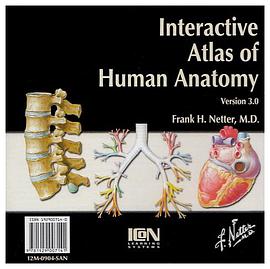
Frank H. Netter was born in New York City in 1906. He studied art at the Art Students League and the National Academy of Design before entering medical school at New York University, where he received his Doctor of Medicine degree in 1931. During his student years, Dr. Netter’s notebook sketches attracted the attention of the medical faculty and other physicians, allowing him to augment his income by illustrating articles and textbooks. He continued illustrating as a sideline after establishing a surgical practice in 1933, but he ultimately opted to give up his practice in favor of a full-time commitment to art. After service in the United States Army during World War II, Dr. Netter began his long collaboration with the CIBA Pharmaceutical Company (now Novartis Pharmaceuticals). This 45-year partnership resulted in the production of the extraordinary collection of medical art so familiar to physicians and other medical professionals worldwide. Icon Learning Systems acquired the Netter Collection in July 2000 and continued to update Dr. Netter’s original paintings and to add newly commissioned paintings by artists trained in the style of Dr. Netter. In 2005, Elsevier Inc. purchased the Netter Collection and all publications from Icon Learning Systems. There are now over 50 publications featuring the art of Dr. Netter available through Elsevier Inc.
Dr. Netter’s works are among the finest examples of the use of illustration in the teaching of medical concepts. The 13-book Netter Collection of Medical Illustrations, which includes the greater part of the more than 20,000 paintings created by Dr. Netter, became and remains one of the most famous medical works ever published. The Netter Atlas of Human Anatomy, first published in 1989, presents the anatomic paintings from the Netter Collection. Now translated into 16 languages, it is the anatomy atlas of choice among medical and health professions students the world over.
The Netter illustrations are appreciated not only for their aesthetic qualities, but, more importantly, for their intellectual content. As Dr. Netter wrote in 1949 “clarification of a subject is the aim and goal of illustration. No matter how beautifully painted, how delicately and subtly rendered a subject may be, it is of little value as a medical illustration if it does not serve to make clear some medical point. Dr. Netter’s planning, conception, point of view, and approach are what inform his paintings and what make them so intellectually valuable.
Frank H. Netter, MD, physician and artist, died in 1991.
目录信息
读后感
这学期学系解,久仰这本书的大名于是蹭蹭蹭地在网上搜结果全部显示无货...!! 再到人卫主页去搜结果显示停印!! 等到我学医的时候这本书就停印了? 再到图书馆去借有幸借到一本 果然好书啊!!!医学生太需要了!!! 人卫你神马时候再印这本书啊!! 电子版的用起来实在...
之前买过一本国内的解剖图谱,是数码相机拍的标本图,很不好,摄影技术很差,光线过强,图像深度不够,并且也不够全面。 后来在当当上看到了这本图谱,就买了回来,没事就翻翻,了解一下奇妙的人体。
之前买过一本国内的解剖图谱,是数码相机拍的标本图,很不好,摄影技术很差,光线过强,图像深度不够,并且也不够全面。 后来在当当上看到了这本图谱,就买了回来,没事就翻翻,了解一下奇妙的人体。
这学期学系解,久仰这本书的大名于是蹭蹭蹭地在网上搜结果全部显示无货...!! 再到人卫主页去搜结果显示停印!! 等到我学医的时候这本书就停印了? 再到图书馆去借有幸借到一本 果然好书啊!!!医学生太需要了!!! 人卫你神马时候再印这本书啊!! 电子版的用起来实在...
这学期学系解,久仰这本书的大名于是蹭蹭蹭地在网上搜结果全部显示无货...!! 再到人卫主页去搜结果显示停印!! 等到我学医的时候这本书就停印了? 再到图书馆去借有幸借到一本 果然好书啊!!!医学生太需要了!!! 人卫你神马时候再印这本书啊!! 电子版的用起来实在...
用户评价
作为一名长期关注运动机能学的人士,我更关注的是结构如何协同工作以产生动作。这本书在运动解剖学这块的覆盖面令我惊喜。它没有停留在单纯的肌肉附着点标注上,而是深入到肌腱的受力点分析和关节活动范围的限制因素探讨。通过书中精妙的“功能剖视图”,我们可以清晰地看到,当某一肌肉收缩时,周围的筋膜和韧带是如何被拉伸或稳定结构的。例如,书中对肩关节复杂旋转肌群的描绘,通过分层和透明化处理,清晰地展示了冈上肌、冈下肌等几块肌肉在不同运动平面上的协同或拮抗作用。这对于运动康复训练的方案设计具有直接的指导意义。总而言之,这本书超越了一般的“看图识字”的阶段,它提供了一个理解生命机器运作原理的全面框架,其价值远远超出了其物理重量本身。
这本厚重的图册拿到手里,首先感受到的就是它沉甸甸的分量,光是封面设计就透露出一种严谨而专业的学术气息。我一直对人体结构充满好奇,但教科书上的平面插图总是显得那么冰冷和抽象。翻开这本书,立刻被那些精美的三维重建图像所震撼。作者显然在解剖学的图像呈现上下了极大的功夫,色彩的运用既科学又富有层次感,使得原本复杂的结构能够一目了然地被识别出来。特别是对于那些神经和血管的走形描绘,那种精细到令人发指的程度,简直像是直接从真实的标本上剥离出来一般。我尤其欣赏其中关于肌肉群连接和骨骼关节运动的动态解析部分,它不仅仅展示了“是什么”,更巧妙地解释了“如何运作”。对于一个非医学专业的爱好者来说,这本书的图注详尽却不冗余,术语的标注也清晰准确,极大地降低了理解人体深层奥秘的门槛。它更像是一部视觉的史诗,带领读者进行一次次深入的组织探索,让人不得不感叹人类构造的鬼斧神工。
我这次购买这本书,主要是冲着它在系统解剖学方面的深度解析去的。市面上很多解剖学图谱往往侧重于某一特定系统,比如骨骼或循环系统,但这本书的编排逻辑似乎更倾向于整合性。它没有生硬地将人体分割成互不关联的部分,而是通过一系列精心设计的跨章节视图,展现了器官系统之间复杂而精妙的相互作用。比如,在描述腹腔脏器时,作者竟然巧妙地嵌入了支配这些器官的自主神经系统的纤维走向图,这种将结构与功能、局部与整体紧密结合的叙事方式,极大地提升了学习的效率和深度。我发现,当理解了某一结构周围的邻近关系后,记忆效率会成倍增长。此外,书中收录的某些罕见解剖变异案例的插图,也为临床思考提供了宝贵的参考视角,这对于我进行跨学科的研究非常有价值。这本书的排版设计也十分考究,大量留白的使用,使得信息密度适中,阅读体验非常舒适,绝非那种信息堆砌的资料汇编。
老实说,初次接触这本书时,我有些被其庞大的信息量所压倒。它更像是一部参考工具书,而不是可以轻松翻阅的读物。这本书的深度和广度,明显是为专业学生或资深研究者设计的,对于初学者可能需要花费大量时间去适应其独特的分类和索引系统。我花了相当长的时间才摸清不同视图之间的关联性,比如,从宏观的器官轮廓视图跳转到微观的组织切片视图时,需要大脑进行一次快速的尺度转换。然而,一旦适应了这种节奏,你会发现它的价值无可替代。特别是它对于胚胎发育过程中结构形成的追踪描述,简直是教科书级别的精准。书中对某些复杂结构,例如脑干的核团定位,采用了多角度的叠加透视法,这在其他任何图谱中都难以找到如此清晰的呈现。这本书的严谨性体现在每一个细节上,它不迎合任何简化需求,而是忠实地记录了人体的复杂真相。
我向来对那些过于依赖传统素描风格的解剖图持保留意见,总觉得它们在色彩和空间感上有所欠缺。这本图册则完全是另一种风格的典范。它的图像质量达到了近乎超现实的级别,很多图像看起来像是通过先进的医学成像技术(如高分辨率CT或MRI)后期处理和三维建模生成的,但其精准度又远超一般影像资料。这种现代科技与经典解剖学知识的完美融合,使得阅读过程成为一种视觉享受。我特别留意了书中对骨骼系统表面标志的描绘,那些细微的凹凸和附着点,都被光影处理得恰到好处,极大地帮助了对体表触诊的学习。如果说有任何可以改进的地方,或许是希望它能增加更多的交互式元素,但这毕竟是一本印刷品,我们只能赞叹其在二维平面上所能达到的空间表现力的极限了。
学解剖 有誰会不爱格氏和奈特呢?
学解剖 有誰会不爱格氏和奈特呢?
学解剖 有誰会不爱格氏和奈特呢?
学解剖 有誰会不爱格氏和奈特呢?
学解剖 有誰会不爱格氏和奈特呢?