
具体描述
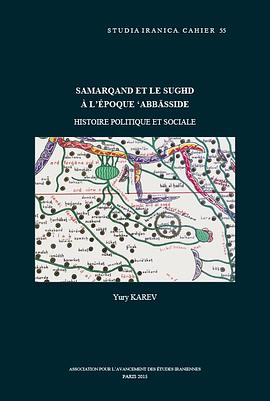
During the Abbasid period (750-820), the vast territories beyond the Amu Darya river (the Mawara'annahr), conquered by the Umayyad generals in the first half of the eighth century, entered definitively into the cultural sphere of Islam. The comparative analysis of medieval Arabic, Persian, and Chinese sources, supplemented by materials from unpublished manuscripts, as well as the latest results yielded by archaeological excavations at Samarkand, have made it possible to establish a fine-grained chronology of this turning point in the history of Central Asia. Examined in this new light are complex and irreversible processes that resulted in a changed political and religious fabric, transformations of the Sogdian and Muslim elite, and the evolution of the state's system of controlling territories on its borders, within a context of confrontations and diplomatic relations between the caliphate, the Tang empire in China, and the Turks.
作者简介
目录信息
Bibliographie. . . . . . . . . . . . . . . . . . . . . . . . . . . . . . . . . . . . . . . . . . . . . . 13
Introduction. . . . . . . . . . . . . . . . . . . . . . . . . . . . . . . . . . . . . . . . . . . . . . 27
Cartes . . . . . . . . . . . . . . . . . . . . . . . . . . . . . . . . . . . . . . . . . . . . . . . . . . 38
1. Entre Baghdād et Chan’an . . . . . . . . . . . . . . . . . . . . . . . . . . . . . . 38
2. Carte du Māwarā’annahr . . . . . . . . . . . . . . . . . . . . . . . . . . . . . . . 39
3. Carte du Māwarā’annahr central . . . . . . . . . . . . . . . . . . . . . . . . . 40
Chapitre premier. La révolution ʽabbāsside et la politique
d’Abū Muslim au Māwarā’annahr . . . . . . . . . . . . . . . . . . . . . . . . 41
Première réaction au Māwarā’annahr à la politique
d’Abū Muslim: l’insurrection de Sharīk b. Shaykh . . . . . . . . . 54
Expansion de la Chine des Tang à l’ouest
Bataille sur le fleuve de Ṭarāz (Talas) . . . . . . . . . . . . . . . . . . . . 62
Les rois du Māwarā’annahr face à la politique d’Abū Muslim . . . . 78
Campagnes au Khuttal et au Shāsh . . . . . . . . . . . . . . . . . . . . . . . 78
Répressions dans l
6 s a m a r q a n d e t l e s u g h d à l ’ é p o q u e ʽ a b b ā s s i d e
La dār al-imāra dans la citadelle de la ville . . . . . . . . . . . . . . . . 117
Chapitre 2. Entre Abū Muslim et al-Muqannaʽ: affermissement
du pouvoir ʽabbāsside . . . . . . . . . . . . . . . . . . . . . . . . . . . . . . . . . . 127
755-759 : les deux premiers gouverneurs du Khurāsān
après Abū Muslim. Conflits avec al-Manṣūr . . . . . . . . . . . . . . . 127
Abū Dāwūd Khālid b. Ibrāhīm adh-Dhuhlī . . . . . . . . . . . . . . . . 128
Contexte au Māwarā’annahr . . . . . . . . . . . . . . . . . . . . . . . . . 130
Plan avorté des campagnes militaires
ʽabbāssides à l’Est . . . . . . . . . . . . . . . . . . . . . . . . . . 130
Premiers éléments nouveaux dans le système
monétaire . . . . . . . . . . . . . . . . . . . . . . . . . . . . . . . . 131
Relations avec la Chine . . . . . . . . . . . . . . . . . . . . . . . . . . . . 132
Ambassades . . . . . . . . . . . . . . . . . . . . . . . . . . . . . . . . . . 132
Les Dashi pendant la révolte d’An Lushan
en Chine . . . . . . . . . . . . . . . . . . . . . . . . . . . . . . . . . 133
Situation à la frontière orientale du califat . . . . . . . . . . . . . . 138
ʽAbd al-Ğabbār b. ʽAbd ar-Raḥman al-Azdī . . . . . . . . . . . . . . . 142
Réaction à sa désobéissance au Māwarā’annahr . . . . . . . . . . 145
Ambassades en Chine en 759. Dernière ambassade
de Bukhārā . . . . . . . . . . . . . . . . . . . . . . . . . . . . . . . . . . . 146
Les gouverneurs du Khurāsān sous la supervision d’al-Mahdī . . . . 147
Abū ʽAwn ʽAbd al-Malik b. Yazīd. Premier gouvernorat
au Khurāsān . . . . . . . . . . . . . . . . . . . . . . . . . . . . . . . . . . . . . . 147
Campagne de Layth au Farghāna . . . . . . . . . . . . . . . . . . . . . 147
Ambassades en Chine durant les années 760 . . . . . . . . . . . . 150
Début du monnayage ʽabbāsside à Bukhārā
et Samarqand . . . . . . . . . . . . . . . . . . . . . . . . . . . . . . . . . . 150
Fondation de Baghdād. Quartier des habitants
du Māwarā’annahr . . . . . . . . . . . . . . . . . . . . . . . . . . . . . . 154
Abū Mālik Asīd b. ʽAbd Allāh al-Khuzāʽī . . . . . . . . . . . . . . . . . . 155
ʽAbda b. Qudayd . . . . . . . . . . . . . . . . . . . . . . . . . . . . . . . . . . . . . 155
Ḥumayd b. Qaḥṭaba . . . . . . . . . . . . . . . . . . . . . . . . . . . . . . . . . . 156
Ambassades en Chine. Dernière ambassade du Sughd . . . . 157
Chapitre 3. L’insurrection d’al-Muqannaʽ. Le Sughd comme centre
du mouvement d’al-mubayyiḍa . . . . . . . . . . . . . . . . . . . . . . . . . . . . 161
Histoire politique et chronologie . . . . . . . . . . . . . . . . . . . . . . . . . . . 162
Personnalité et doctrine d’al-Muqannaʽ. Naissance
et propagation du mouvement au Māwarā’annahr . . . . . . . . 162
Préparation du terrain et propagande. Réponse
du Sughd et de Bukhārā . . . . . . . . . . . . . . . . . . . . . . . . . . 166
t a b l e d e s m at i è r e s 7
Fuite d’al-Muqannaʽ de Marw. Installation de sa base
dans le Sughd du Sud . . . . . . . . . . . . . . . . . . . . . . . . . . . 167
Les autorités locales face à l’insurrection . . . . . . . . . . . . . . . . . . 168
Première intervention des forces armées envoyées par
al-Mahdī: Ğibra’īl b. Yaḥyā . . . . . . . . . . . . . . . . . . . . . . . . . 171
Ğibra’īl b. Yaḥyā à Bukhārā . . . . . . . . . . . . . . . . . . . . . . . . . 173
Première campagne dans le Sughd et à Samarqand . . . . . . . 175
Première tentative de reprise de Samarqand
par les muqanniens . . . . . . . . . . . . . . . . . . . . . . . . . . . . . 179
Deuxième intervention des forces armées ʽabbāssides:
ʽUqba b. Muslim . . . . . . . . . . . . . . . . . . . . . . . . . . . . . . . . . . 180
Al-Muqannaʽ au sommet de sa puissance . . . . . . . . . . . . . . . . . . 182
Débâcle des autorités ʽabbāssides près de Tirmidh . . . . . . . 182
Campagne de Sarğama au Ṣaghāniyān . . . . . . . . . . . . . . . . . 183
Campagnes d’al-Muqannaʽ dans le Sughd du Sud . . . . . . . . 184
Opérations dans l’oasis de Samarqand . . . . . . . . . . . . . . . . . 184
Tentative de reprise de Samarqand par al-Muqannaʽ . . . . . . 187
Armée menée par le dihqān de Niyāza à Samarqand. . 187
Arrivée du khāqān qarlūq . . . . . . . . . . . . . . . . . . . . . . . 188
Revirement de la situation . . . . . . . . . . . . . . . . . . . . . . . . . . . . . . 189
Nomination de Muʽādh b. Muslim . . . . . . . . . . . . . . . . . . . . 189
Première échauffourée près de Paykand . . . . . . . . . . . . . . . . 191
Préparatifs à Bukhārā . . . . . . . . . . . . . . . . . . . . . . . . . . . . . . 192
Entre Bukhārā et Samarqand . . . . . . . . . . . . . . . . . . . . . . . . 192
Opérations près de Samarqand . . . . . . . . . . . . . . . . . . . . . . . 194
Activité de construction de Ğibra’īl b. Yaḥyā
à Samarqand . . . . . . . . . . . . . . . . . . . . . . . . . . . . . . . . . . 196
Forteresses d’al-Muqannaʽ et premier siège . . . . . . . . . . . . . 197
Étape finale : campagne de Saʽīd al-Ḥarashī . . . . . . . . . . . . . . . . 202
Le mouvement d’al-Muqannaʽ: contexte social et forces motrices
de la révolte . . . . . . . . . . . . . . . . . . . . . . . . . . . . . . . . . . . . . . . . 207
Centres urbains: grandes villes . . . . . . . . . . . . . . . . . . . . . . . . . . 208
Samarqand et Bukhārā . . . . . . . . . . . . . . . . . . . . . . . . . . . . . . 208
Nakhshab et Kishsh . . . . . . . . . . . . . . . . . . . . . . . . . . . . . . . 209
Zone rurale : villes et villages de la région . . . . . . . . . . . . . . . . . 211
Les commandants d’al-Muqannaʽ: Khurāsānīs
et éléments déclassés du Māwarā’annahr . . . . . . . . . . . . . . . 213
Les nobles locaux . . . . . . . . . . . . . . . . . . . . . . . . . . . . . . . . . . . . 216
Liens matrimoniaux d’al-Muqannaʽ avec les dihqāns . . . . . 223
Les Arabes . . . . . . . . . . . . . . . . . . . . . . . . . . . . . . . . . . . . . . . . . . 223
Les Turcs . . . . . . . . . . . . . . . . . . . . . . . . . . . . . . . . . . . . . . . . . . . 225
8 s a m a r q a n d e t l e s u g h d à l ’ é p o q u e ʽ a b b ā s s i d e
Le khāqān des Qarluqs . . . . . . . . . . . . . . . . . . . . . . . . . . . . . 225
Kūlār Tigīn . . . . . . . . . . . . . . . . . . . . . . . . . . . . . . . . . . . . . . 227
Note sur la politique intérieure d’al-Muqannaʽ . . . . . . . . . . . . . . 227
Chapitre 4. Entre al-Muqannaʽ et Rāfiʽ b. Layth................ 233
Al-Musayyab b. Zuhayr b. ʽUmar aḍ-Ḍabbī . . . . . . . . . . . . . . . . . . 233
Abū al-ʽAbbās al-Faḍl b. Sulaymān aṭ-Ṭūsī . . . . . . . . . . . . . . . . . . 233
Réformes d’al-Faḍl b. Sulaymān au Khurāsān . . . . . . . . . . . . . . 234
Appel d’al-Mahdī aux rois locaux . . . . . . . . . . . . . . . . . . . . . . . 235
Réception par al-Faḍl b. Sulaymān des délégations du
Māwarā’annahr à Marw. Construction de la muraille
de l’oasis de Bukhārā . . . . . . . . . . . . . . . . . . . . . . . . . . . . . . 241
Recrutement des troupes militaires au Māwarā’annahr
et leur service en Asie Mineure . . . . . . . . . . . . . . . . . . . . . . 246
Ğaʽfar b. Muḥammad b. al-Ashʽath al-Khuzāʽī . . . . . . . . . . . . . . . . 250
Al-ʽAbbās b. Ğaʽfar . . . . . . . . . . . . . . . . . . . . . . . . . . . . . . . . . . . . . 251
Ghiṭrīf b. ʽAṭā al-Ğurashī (al-Kindī) . . . . . . . . . . . . . . . . . . . . . . . . 251
Campagne militaire contre le yabghū. Les Qarluqs
au Farghāna . . . . . . . . . . . . . . . . . . . . . . . . . . . . . . . . . . . . . . 252
Ḥamza b. Mālik b. al-Haytham al-Khuzāʽī . . . . . . . . . . . . . . . . . . . 254
Sayf b. Kathīr, gouverneur de Samarqand . . . . . . . . . . . . . . . . . . 254
Al-Faḍl b. Yaḥyā al-Barmakī . . . . . . . . . . . . . . . . . . . . . . . . . . . . . . 255
Campagne au Māwarā’annahr . . . . . . . . . . . . . . . . . . . . . . . . . . 255
Mesures novatrices au Khurāsān . . . . . . . . . . . . . . . . . . . . . . . . 257
Manṣūr b. Yazīd b. Manṣūr b. al-Khālid . . . . . . . . . . . . . . . . . . . . . 260
ʽAlī b. ʽĪsā b. Māhān . . . . . . . . . . . . . . . . . . . . . . . . . . . . . . . . . . . . 261
ʽAbd Allāh b. Ḥumayd b. Razīn, gouverneur de Samarqand . . . 262
Les ʽAbbāssides et les Tang: derniers témoignages
de contacts . . . . . . . . . . . . . . . . . . . . . . . . . . . . . . . . . . . . . . 264
Participation des Sogdiens aux campagnes militaires
à l’époque de Hārūn ar-Rashīd . . . . . . . . . . . . . . . . . . . . . . . 265
Témoignages sur des tentatives individuelles d’islamisation
du Shāsh et du Farghāna . . . . . . . . . . . . . . . . . . . . . . . . . . . . 267
Chapitre 5. L’insurrection de Rāfi‘ b. Layth.................... 271
Histoire politique et chronologie . . . . . . . . . . . . . . . . . . . . . . . . . . . 272
Origines de Rāfiʽ . . . . . . . . . . . . . . . . . . . . . . . . . . . . . . . . . . . . . 272
Causes de la révolte. Entre une aventure amoureuse
et un gouvernement désastreux . . . . . . . . . . . . . . . . . . . . . . . 274
Autres versions sur les raisons de la révolte . . . . . . . . . . . . . . . . 278
Première phase : de l’émeute locale à l’insurrection
de la région . . . . . . . . . . . . . . . . . . . . . . . . . . . . . . . . . . . . . . 279
t a b l e d e s m at i è r e s 9
Seconde phase : entre Bukhārā et Samarqand . . . . . . . . . . . . . . . 287
Forces motrices de la révolte . . . . . . . . . . . . . . . . . . . . . . . . . . . . . . 292
Partisans de Rāfiʽ . . . . . . . . . . . . . . . . . . . . . . . . . . . . . . . . . . . . 295
Les citadins . . . . . . . . . . . . . . . . . . . . . . . . . . . . . . . . . . . . . . 295
Les élites musulmanes et islamisées . . . . . . . . . . . . . . . . . . . 298
Alliés . . . . . . . . . . . . . . . . . . . . . . . . . . . . . . . . . . . . . . . . . . . . . . 302
Les Turcs et le problème d’interprétation de l’inscription
de Qarabalghasun . . . . . . . . . . . . . . . . . . . . . . . . . . . . . . . . . 304
Notes finales . . . . . . . . . . . . . . . . . . . . . . . . . . . . . . . . . . . . . . . . . . 313
Importance de l’image . . . . . . . . . . . . . . . . . . . . . . . . . . . . . . . . . . . 314
Chapitre 6. Entre Rāfiʽ b. Layth et les Sāmānides . . . . . . . . . . . . . . 317
Politique d’al-Ma’mūn en Orient . . . . . . . . . . . . . . . . . . . . . . . . . . . 317
Autonomie administrative du Māwarā’annahr . . . . . . . . . . . . . . 317
Campagnes militaires à l’Est après l’affermissement
du pouvoir d’al-Ma’mūn au califat . . . . . . . . . . . . . . . . . . . . 326
Nouveaux rapports avec les élites locales . . . . . . . . . . . . . . . . . . 333
Bref aperçu sur le devenir des anciennes familles royales
du Māwarā’annahr . . . . . . . . . . . . . . . . . . . . . . . . . . . . . . . . . . . 336
Les ikhshīds du Sughd et leurs descendants . . . . . . . . . . . . . . . . 336
Les bukhārākhudāts . . . . . . . . . . . . . . . . . . . . . . . . . . . . . . . . . . 341
Conclusion............................................... 345
Index des noms de personnes . . . . . . . . . . . . . . . . . . . . . . . . . . . . . . . . 355
Index géographique . . . . . . . . . . . . . . . . . . . . . . . . . . . . . . . . . . . . . . . 365
· · · · · · (收起)
读后感
用户评价
最近,我一直在寻找一本能够深入探讨丝绸之路历史的著作,而《撒马尔罕与阿拔斯王朝时期的粟特》恰好满足了我的这一需求。这本书的书名本身就极具历史感和地理指向性,它将两个重要的历史概念——撒马尔罕这座传奇城市和阿拔斯王朝这一重要的伊斯兰哈里发国——巧妙地结合在一起,这让我对书中即将展开的内容充满了期待。我一直对阿拔斯王朝时期在中东和中亚地区的政治格局、文化交流以及经济发展充满了好奇,而撒马尔罕作为丝绸之路上的重要节点,其在这一时期的发展无疑是了解整个区域历史的关键。我想知道,在强大的阿拔斯王朝影响力下,撒马尔罕是如何维持其独特的城市文化和商业地位的?粟特地区作为一个连接东西方的桥梁,在这一历史时期又发挥了怎样的作用?这本书的装帧设计也十分考究,给人一种厚重而典雅的感觉,仿佛在翻开扉页之前,就已经能够感受到其中蕴含的深厚历史底蕴。
初次翻开《撒马尔罕与阿拔斯王朝时期的粟特》,便被其厚重的封面和烫金的书名所吸引,一种探寻历史深处秘密的期待感油然而生。尽管我对阿拔斯王朝的历史脉络尚不完全熟悉,但“撒马尔罕”这个名字本身就蕴含着无尽的东方神秘色彩,它在丝绸之路上闪耀的光芒,足以点燃任何一位历史爱好者的好奇心。想象着在那遥远的国度,在那个辉煌一时的王朝统治下,撒马尔罕这座城市是如何呼吸、如何运转,它的人民又过着怎样的生活,这些模糊的画面在脑海中交织,仿佛预示着一场关于文化、经济、政治交融的盛宴即将展开。作者以“撒马尔罕”为切入点,无疑是为我们打开了一扇了解更广阔世界的大门,它不仅仅是一座城市的故事,更是连接东西方文明的重要节点,承载着无数的回忆和传奇。书的装帧设计也透露出一种古典而雅致的气息,纸张的触感温润,印刷的字迹清晰,这一切都让人感受到作者和出版方的用心,仿佛这不仅是一本书,更是一件值得珍藏的艺术品,等待着我去细细品味其中的每一个章节,去发掘那些被时间尘封的故事。
我一直对中亚地区的历史充满了浓厚的兴趣,尤其是那些曾经在丝绸之路上扮演重要角色的城市,它们是不同文明交流碰撞的熔炉,孕育出了独特的文化和艺术。当我在书店看到《撒马尔罕与阿拔斯王朝时期的粟特》这本书时,便毫不犹豫地将它收入囊中。这本书的书名本身就极具吸引力,它将一个耳熟能详的东方名城与一个在中东历史上留下深刻印记的王朝联系起来,这无疑是一个令人遐想的组合。我尤其好奇的是,在阿拔斯王朝的统治下,撒马尔罕这座城市经历了怎样的变迁?它在政治、经济、文化上是如何与这个强大的王朝互动,又如何保持自身的特色?粟特地区在当时又扮演着怎样的角色?这些问题在我心中萦绕,让我迫不及待地想深入阅读,去探索这个曾经辉煌而又充满故事的时代。书的版式设计也相当精美,字体大小适中,行间距舒适,让人在阅读时不易感到疲劳,这对于一本内容详实的学术著作来说,无疑是至关重要的。
一本好的历史著作,不仅仅是记录史实,更是能够带领读者穿越时空,身临其境地感受那个时代的脉搏。当我看到《撒马尔罕与阿拔斯王朝时期的粟特》这本书时,便产生了强烈的阅读冲动。书名本身就勾勒出了一个清晰的时代框架和地理坐标——辉煌的阿拔斯王朝统治下的撒马尔罕和粟特地区。这不禁让我联想到,在那段波澜壮阔的历史时期,东方与西方文明的交汇点上,撒马尔罕这座城市扮演了怎样的角色?它的城市面貌、居民生活、商业贸易、文化艺术,是否因为阿拔斯王朝的兴衰而发生了深刻的变化?粟特地区作为连接不同文明的重要通道,又如何在这种大背景下展现其独特的魅力?这本书的书页质感和排版设计都透露出一种严谨的态度,让我相信这是一部经过精心打磨的学术佳作,能够为我提供关于那个时代更深入、更全面的认识。
对于任何一个对伊斯兰文明和中亚历史感兴趣的人来说,《撒马尔罕与阿拔斯王朝时期的粟特》这本书的书名本身就足够具有吸引力。它将两个极具分量的历史元素——辉煌的阿拔斯王朝和作为丝绸之路心脏的撒马尔罕,巧妙地联系在一起,这无疑为读者描绘了一个充满历史厚重感的画卷。我一直对阿拔斯王朝时期在中亚地区的影响力及其留下的文化印记充满好奇。撒马尔罕,这座古老而繁华的城市,在阿拔斯王朝的统治下,是否发生了翻天覆地的变化?它在政治、经济、文化交流上扮演了怎样的角色?粟特地区,作为中亚地区重要的文明载体,又如何在这种宏观的历史背景下展现其独特的风貌?这本书的整体设计,从封面到内页的排版,都透露出一种严谨的学术气息,让我对书中内容的深度和广度充满了期待,相信它能够为我带来一次深刻的历史认知之旅。
在我对古代文明的研究中,中亚地区一直是我关注的焦点,而撒马尔罕更是这座璀璨宝石中的一颗。当我在书架上发现《撒马尔罕与阿拔斯王朝时期的粟特》这本书时,我的目光立刻被它所吸引。书名中所蕴含的时代背景——阿拔斯王朝,以及重要的地理区域——撒马尔罕和粟特,都指向了一个充满历史变迁和文化融合的时期。我一直想了解,在那个强盛的王朝统治下,这座充满传奇色彩的城市究竟经历了怎样的发展?它的社会结构、经济活动、宗教信仰以及与周边地区和更遥远文明的联系,是如何在阿拔斯王朝的庇护或影响下演变的?粟特人作为中亚的早期居民,他们在这一历史时期又扮演了怎样的角色?这本书的封面设计简洁而又不失庄重,仿佛在诉说着一个古老而悠远的故事,让我对书中的内容充满了探究的欲望,期待它能为我揭示更多鲜为人知的历史细节。
作为一名历史爱好者,我一直在寻找能够深入挖掘特定地区和时代历史细节的书籍,而《撒马尔罕与阿拔斯王朝时期的粟特》这本书的书名,恰好点燃了我探索的火花。它将“撒马尔罕”这个充满东方神秘色彩的城市,与“阿拔斯王朝”这个在伊斯兰历史上留下浓墨重彩的时期联系在一起,这本身就构成了一个引人入胜的研究课题。我十分好奇,在阿拔斯王朝的强大影响力下,撒马尔罕这座城市在政治、经济、社会结构和文化发展上经历了怎样的演变?粟特地区,作为连接东西方的重要枢纽,又在这一时期展现出怎样的独特性?这本书的整体风格,从封面设计到书名本身的呈现,都透露出一种历史的厚重感和学术的严谨性,让我对书中即将展现的丰富内容充满了期待,相信它能够为我提供一个深入了解这段历史的宝贵视角。
我一直对中亚地区,尤其是丝绸之路上的古代城市,抱有浓厚的兴趣。撒马尔罕,这个名字本身就如同宝石般璀璨,承载着无数关于贸易、文化和征服的故事。当我在书店的架子上看到《撒马尔罕与阿拔斯王朝时期的粟特》这本书时,我的心立刻被它所吸引。书名清晰地指明了研究的时代和地域——阿拔斯王朝统治下的撒马尔罕和粟特地区。这让我不禁开始想象,在那个伊斯兰世界政治与文化中心转移的时期,撒马尔罕这座城市是如何融入阿拔斯王朝的宏大叙事中的?它在经济、文化、宗教等方面与这个强大的王朝发生了怎样的互动?粟特地区的人们,作为丝绸之路上不可或缺的一环,又在这一时期经历了怎样的变迁?这本书的封面设计简洁而富有吸引力,给我一种想要立即翻开阅读的冲动,去探寻那段被历史长河所掩埋的精彩篇章。
我对中亚地区,尤其是那些在古代贸易和文化交流中扮演了关键角色的城市,一直有着无法抑制的探索欲望。当我在书店的书架上发现《撒马尔罕与阿拔斯王朝时期的粟特》这本书时,我的目光瞬间被它吸引。书名本身就极具信息量,它不仅点明了研究的地域——撒马尔罕和粟特地区,更将研究的时代聚焦在阿拔斯王朝的统治时期。这让我不禁开始构想,在那段波澜壮阔的历史长河中,撒马尔罕这座城市是如何在阿拔斯王朝的影响下发展的?它在经济、政治、文化上与这个庞大的王朝有着怎样的联系?粟特地区的人们,在丝绸之路的贸易网络中又扮演了怎样的角色?这本书的封面设计简洁而富有内涵,字体清晰,版式舒适,这一切都让我感受到作者和出版方的专业与用心,仿佛它是一扇通往历史深处的窗户,等待我去推开,去发现那些被时光尘封的故事。
我在探索古代历史的旅途中,总是被那些连接东西方文明的枢纽所吸引,而撒马尔罕无疑是其中最耀眼的明珠之一。当我在书店的学术区发现《撒马尔罕与阿拔斯王朝时期的粟特》这本书时,它立刻抓住了我的眼球。书名本身就精准地定位了一个重要的历史时期和地理区域——阿拔斯王朝的统治对撒马尔罕和粟特地区的影响。这让我立即联想到,在那段充满变革与融合的年代,撒马尔罕这座城市是如何在强大的阿拔斯王朝的管理下发展的?它与王朝之间的政治、经济、文化联系是怎样的?粟特人作为中亚地区重要的文化群体,他们在这一时期是如何适应和参与到更广阔的历史进程中的?这本书的纸张触感温润,印刷清晰,封面的设计风格也极具吸引力,都预示着这是一本值得深入阅读和研究的佳作,能够帮助我更深入地理解那个复杂而迷人的历史时代。