
具体描述
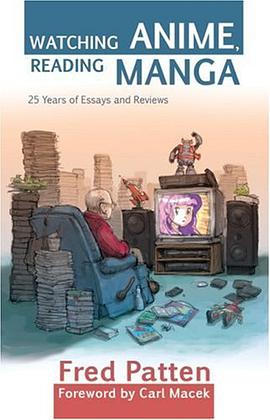
Anime's influence can be found in every corner of American media, from film and television to games and graphic arts. And Fred Patten is largely responsible. He was reading "manga" and watching "anime" before most of the current generation of fans was born. In fact, it was his active participation in fan clubs and his prolific magazine writing that helped create a market and build American "anime" fandom into the vibrant community it is today. "Watching Anime, Reading Manga" gathers together a quarter-century of Patten's lucid observations on the business of "anime," fandom, artists, Japanese society and the most influential titles. Illustrated with original fanzine covers and archival photos. Foreword by Carl Macek ("Robotech"). Fred Patten lives in Los Angeles. "Watching Anime, Reading Manga is a worthwhile addition to your library; it makes good bathroom browsing, cover-to-cover reading, and a worthwhile reference for writing or researching anime and manga, not to mention a window into the history of fandom in the United States." -- "SF Site"
作者简介
Fred Patten was an anime fan before most of this generation of fans were born, back when color television was a novelty and the idea of playing back TV shows on tapes and discs was a science fiction fantasy. Actually, Patten was a big part of the science fiction and fantasy world before he was drawn into anime fandom in the mid-1970's. He remains active in the animation industry with Streamline Pictures. Patten is best known for his writings on anime history. This is his first collection.
目录信息
Fans in America by Animedia Staff 1982 16
Remembrance of Cons Past 1984 17
Whats Wrong with Japanese Animation? 1994 19
Fifteen Years of Japanese Animation Random 197792 1997 22
The Best of Anime CD Liner Notes 1998 43
Who Knows Best? 1998 50
Anime in the United States 2001 52
TV Animation in Japan 1980 219
Mangamania 1984 232
Japan + Animation Japanimation Part 1 1986 247
Japan + Animation Japanimation Part 2 1986 253
A New Wind from the East 1987 259
Japanese Animation From Early Home Studios to Personal Workshops for Home Video 1987 268
Japans Anime 1995 275
A Capsule History of Anime 1996 278
Anime Man by Simon Drax 2002 73
Anime Conventions Enter Their Adolescence 2003 80
Anime Versus Japanimation 2003 85
The Business of Anime 87
All Those Japanese Animation Soundtracks 1986 89
The Cult Grows Up 1990 98
Anime Licensing Grows Up 1996 103
The Worlds Biggest Animation Home Video Market? 1997 104
Anime as Pejorative 1998 108
The Anime Porn Market 1998 110
Go to JAILED 1999 119
The Thirteen Top Developments In Anime 198599 1999 122
By The Numbers 1999 126
Money Talks 2000 128
Anime Theatrical Features 2000 135
Academy of Motion Picture Arts Anime Event 2002 139
First Anime Fan Magazine Animage Published 2003 142
The Pride of Lions First Publication 144
SimbaKimba Redux? The Nadia Versus Atlantis Affair First Publication 185
Artists 191
Hypersexual Psychoviolence The Dynamic World of Go Nagai 1998 193
Osamu Tezuka 192689 1990 197
A Memorial to the Master 1993 199
A Profile 2002 206
Hayao Miyazakis Spirited Trip to the US 2002 209
Japanese Culture in Anime 217
Subliminal Lessons in Japanese History 2001 282
Refighting World War II 2003 285
Less or More Than Human 2003 287
Titles 291
The Beginnings of a New Breed of Action Hero1980 293
Previewing an Ambitious New Animated ScienceFiction TV Series 1980 297
Japanimation Invades Comics with a Trio of Comico Titles 1995 303
Gigantor The SpaceAge Robot 19912003 313
Still in the Lead 1993 322
Japans Unknown Wartime Feature 1996 325
The Heroic Legend of ArslanAge of Heroes 2000 328
Astro Old and Astro New 2000 331
Ready for Its Next Success 2000 336
Is Digimon Movie Destined for Success? 2000 338
The Next Anime Hit in America? 2000 341
The Last VampireAnimes First Digital Feature 2001 345
A Retrofuture Metropolis 2002 349
A Winning Spirit 2003 352
The Movie At Last 2003 356
Anime Reloaded 2003 360
Astro Boy Premieres in America 2003 362
The Struggle to Bring Quality Animation to Theaters 2003 364
Perfect Blue Revisited 2003 368
First Animation Produced in Japan Is Released 2004 369
Index 371
版权
· · · · · · (收起)
读后感
用户评价
这部作品的叙事方式真是令人耳目一新,作者似乎对人物的内心世界有着非同寻常的洞察力。 故事的开篇便将我完全吸入,那种慢节奏的铺陈非但没有让人感到拖沓,反而营造出一种独特的、近乎冥想般的氛围。 每一个角色的动机都被描绘得细腻而复杂,即便是最不起眼的配角,也拥有着令人信服的、多维度的性格弧光。 我特别欣赏作者在环境描写上的功力,那些城市角落、光影变幻,都仿佛被赋予了生命,成为推动情节发展的无形力量。 整体而言,阅读过程像是在解构一幅复杂的油画,需要你驻足、凝视,才能体会到隐藏在笔触之下的深层含义。 情感的张力处理得极其克制,高潮部分的爆发力并非依靠戏剧性的冲突,而是源于长期积累的、压抑的情绪的突然释放,这种内敛的力量感,远比直白的宣泄更具穿透力,让人在合上书页后,仍久久不能平复。 语言的运用也达到了炉火纯青的地步,一些措辞的选择,精妙得让人忍不住要回溯重读,从中咂摸那种文字游戏的美感。 这不是一本用来快速消化的娱乐读物,它要求读者投入时间、心力,去感受那种缓缓渗透的、关于人性本质的探讨。
这本书最让我印象深刻的是其叙事视角的不断转换,简直是教科书级别的技巧展示。 故事在第一人称的私密叙述、冷静客观的第三人称旁观,以及偶尔闪现的、近乎全知的上帝视角之间流畅地切换,而且这种切换毫无斧凿痕迹,自然而然地服务于内容本身的需求。 比如,当需要深入挖掘某个角色的深层恐惧时,视角会立即收缩至内心独白;而当需要展现某个重大事件对整个社会体系的影响时,视角又会迅速拉远,展现出宏观的布局。 这种灵活多变的“焦距调整”,使得即便是相对平淡的情节段落,也能因为视角的切换而焕发出新的解读空间。 读到中后段,我甚至开始期待下一次视角会如何变化,这种期待本身就成了阅读乐趣的一部分。 这本书成功地证明了,好的故事结构本身就可以成为叙事的一部分,而不是仅仅作为内容的载体。 它要求读者保持高度的警觉性,去适应和利用这种不断变换的观察点,以获取最丰富、最立体的体验。
这本书的节奏感处理得如同精密的音乐编排。 它有极其舒缓、近乎静止的乐章,专注于描摹某一瞬间的氛围和人物的心理波动,让你有充足的时间去品味细节; 紧接着,它又会突然加快鼓点,在几页之内完成一次信息量的爆炸,将之前埋下的伏笔以令人措手不及的方式引爆。 这种强烈的对比和反差,使得阅读过程充满了动态的张力,极大地避免了叙事疲劳。 尤其是几处关键的对话场景,简直可以被单独摘出来作为范本研究。 那些对话,看似轻描淡写,实则暗流汹涌,每句话的背后都藏着尚未说出口的意图和筹码的博弈。 作者似乎深谙“留白”的艺术,许多地方的描述点到为止,将后续的想象空间完全交给了读者,这种信任感极大地增强了读者的参与感和代入感。 此外,书中对历史典故和文化符号的穿插运用,显得既自然又富有深意,为故事增添了厚重的底蕴,但又没有沦为卖弄学问的赘述。 总体来说,这是一部需要用心“听”而不是用眼“看”的书。
我从这本书里感受到了作者对“破碎感”主题近乎偏执的迷恋。 故事中的世界观是残缺的,人物的记忆是断裂的,他们彼此之间的连接也是脆弱不堪的。 这种刻意的破碎,反而构建出一种独特的美学——一种在废墟中寻找秩序的努力。 许多场景的切换,都带着一种跳跃感,像是老旧胶片机播放时出现的画面错位,但这种“错位”恰恰是作者想要传达的时代精神:不稳定、充满偶然性,以及随时可能崩溃的前景。 我特别喜欢那些碎片化的独白,它们往往来自于最意想不到的角度,以一种近乎梦呓的方式,拼凑出主角内心世界的全貌。 这种叙事方法挑战了传统意义上对“完整故事”的期待,它更像是一系列捕捉到的“瞬间”的集合,而这些瞬间的重叠与碰撞,最终形成了一个比完整叙事更具冲击力的整体印象。 读完之后,感觉自己像是一个刚经历过一场小型地震的幸存者,虽然过程颠簸,但对脚下的土地有了更清晰、更深刻的认识。
我必须承认,一开始我对这种结构略显松散的叙事抱持着怀疑态度,但很快就被作者构建的世界观的宏大与严谨所折服。 尽管情节推进不似传统小说那样线性明确,但它构建了一个逻辑自洽的内部宇宙,所有的事件、人物关系,乃至那些看似突兀的哲学思辨,最终都能在一个更宏大的框架下找到其合理的位置。 这种阅读体验,更像是参与了一场由作者精心设计的迷宫探索,你需要在不同的章节之间穿梭、比对,自己动手去拼凑出完整的图景。 书中对社会结构、权力运作的解剖,尖锐而毫不留情,它毫不回避地揭示了在宏大叙事下被掩盖的个体挣扎与异化。 相比于情节的跌宕起伏,我更被那种贯穿始终的、对“真实”的追问所吸引。 几次读到半夜,就为了搞清楚某个角色的行为动机是否真的经得起推敲,这种“较真”的过程,恰恰证明了作者设下的圈套是多么引人入胜。 这本书的魅力不在于它告诉你一个故事,而在于它提供了一个思考的工具箱,让你带着它去审视自己所处的现实。 它有一种后劲,让你在放下书本后,看待周遭事物的眼光都变得不同,充满了审视和批判的意味。