具体描述
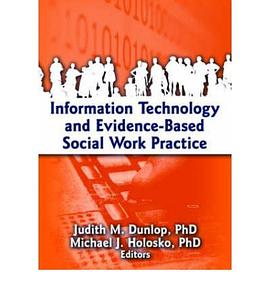
Learn to use the latest technological advances in evidence-based social work. Social work practice can be positively or negatively impacted by the advance of technology. Advances and applications must be up-to-date as possible, yet they may be ineffective if not simple enough to easily learn and use. "Information Technology and Evidence-Based Social Work" presents leading social work experts exploring the latest technological advances and the innovative practical applications which can be used effectively in evidence-based social work. Students and practitioners get creative practical advice on how best understand technology and apply it to their work. "Information Technology and Evidence-Based Social Work" is divided into four sections. The first section provides the context for understanding the technological link between social work and evidence-based practice. The second section presents examples of how information technology can be used to effectively teach students and practitioners in the field. Section three explores ways to implement technology for use by clients. The fourth section summarizes and then takes a look at the future of technology in evidence-based social work. Chapters include questions for practitioners and for clients to illuminate the current and future issues surrounding technology and evidence-based practice. The text also includes extensive references, and useful tables and figures. Topics in "Information Technology and Evidence-Based Social Work" include: the impact of technology on social work; computer-assisted evidence-based practice; customized web-based technology and its use in clinical supervision; enhanced technology-based evidence-based practice model and its applicability to large human service organizations; and, using information technology to provide evidence for planning and evaluating programs. It also covers such topics as: using technology in advocacy; the geographic information system (GIS) as a useful tool in all aspects of programs and policies; evaluating practice through information technology; the development and evaluation of an online social work service; psychotherapeutic group intervention for family caregivers over the Internet; support group online chat; a case study of how Internet chat group technology can be implemented with cancer survivors; technology as a service learning mechanism for promoting positive youth development in a community-based setting; a model which can be used to collect information and - by using best evidence available - arrive at a confident decision; and, more. "Information Technology and Evidence-Based Social Work" is timely, stimulating reading for educators, undergraduate students, graduate students, and practitioners in the fields of social work, psychology, and public administration.
作者简介
目录信息
读后感
用户评价
这本书的叙事节奏实在是有些沉闷,读起来像是在啃一块干燥的饼干。我本以为,既然名字里提到了“信息技术”,内容应该会是充满活力和前沿感的,充满了各种关于数字化的激动人心的讨论。结果,它更像是一篇对现有社会工作文献的详尽回顾,虽然全面,但缺乏新意和冲击力。作者在描述循证实践时,引用了大量的经典文献,构建了一个非常扎实但略显老旧的知识体系。我尤其希望看到一些关于社交媒体平台如何被用于社区组织和危机干预的实战经验分享,或者至少是关于数据安全和隐私保护在数字化转型中的最新进展。这本书给我的感觉是,它停留在对“如何做研究”的讨论上,而不是“如何用技术做好工作”的具体路径上。语言的运用也偏向于学术界常用的那种严谨到有些刻板的风格,缺乏能抓住读者眼球的故事性或案例的生动描述。对于想要快速吸收前沿知识的读者来说,这本书的吸收效率并不高,需要极大的耐心去逐字逐句地梳理其复杂的论证结构。
阅读这本书的过程,与其说是学习,不如说是一种智力上的马拉松。作者构建的理论模型无疑是复杂且精密的,试图将社会工作的复杂人性与信息技术的逻辑严密性进行对接。然而,这种过度追求理论的完美闭环,反而牺牲了可读性和实用性。我发现自己常常需要在脑海中构建一个清晰的图表来理解作者试图阐述的某一复杂关系。例如,在讨论如何将非结构化数据转化为可量化的证据指标时,文中的描述过于抽象,缺乏具体的算法或统计方法的介绍。我希望能看到一些关于如何设计有效问卷或实验来验证干预措施在数字化环境下的有效性的详细步骤。这本书给我的印象是,它更像是为顶尖的研究生和学者准备的,旨在激发更多理论探讨,而不是为一线工作者提供即时可用的工具箱。它更像是一块精雕细琢的玉石,美则美矣,但缺乏日常使用的光泽和便捷性。
这本书的书名听起来就带着一股浓厚的学术气息,让人不禁联想到那些堆满了理论和研究方法的硬核教材。当我翻开它的时候,期望的是能看到对信息技术在现代社会工作实践中如何发挥作用的深入剖析。我特别关注的是那些具体的案例研究,比如如何利用大数据分析来识别弱势群体,或者如何运用移动应用来提高服务效率和可及性。然而,这本书似乎更侧重于宏观的理论框架和哲学层面的探讨,对于技术工具的实际操作指南和效果评估,着墨不多。比如,它花了很多篇幅来讨论“循证实践”这一概念的内涵及其在信息时代面临的挑战,这固然重要,但对于一线社工来说,他们更迫切需要知道的是,什么样的软件能最好地管理客户档案,以及如何评估这些新工具是否真的改善了服务质量。我希望看到更多关于新兴技术如人工智能在预测干预需求方面的潜力分析,以及伦理规范如何在快速迭代的技术面前保持同步。这本书的深度令人钦佩,但对于实操层面的指导性内容,略显不足,留下了很多需要读者自行探索的空间。我感觉它更像是一份研究路线图,而不是一本实用的操作手册。
这本书在探讨社会工作方法论的演进时,显得有些过于保守和谨慎。我期待看到的是一种大胆的、对未来充满想象力的展望,尤其是在人工智能和自动化技术日益渗透到各个行业的大背景下。然而,这本书似乎更侧重于如何用现有的、成熟的信息技术(比如传统的数据库管理系统)来“优化”传统流程,而不是探索颠覆性的新模式。例如,对于虚拟现实(VR)在创伤治疗或技能培训中的应用,书中提及甚少,或者仅仅是一笔带过。我本想深入了解如何衡量这些沉浸式技术带来的长期行为改变的证据。此外,书中对不同文化背景下信息技术接受度的差异讨论不足,这对于全球化的社会工作实践来说,是一个重要的盲点。总的来说,这本书提供了一个扎实的基础,但它似乎更像是站在原地,仔细审视脚下的路,而不是抬头去探索远方的灯塔。
这本书的结构安排,从读者的角度来看,显得有些头重脚轻。前几章对循证实践的哲学基础和信息系统的基础概念进行了冗长而细致的铺陈,这使得我不得不花费大量精力来消化这些基础知识。我理解建立坚实的理论基础的重要性,但当真正进入到技术与实践的交叉领域时,内容反而变得非常简略和概括化。这就像是花了一半的时间来讨论“什么是水”,而只用了一小部分时间来讨论“如何航行”。我尤其想知道,在快速迭代的技术环境中,社工如何才能持续地保持“循证”的状态,即如何在新软件或新平台出现时,迅速评估其证据价值。书中关于持续学习和适应性的讨论,显得不够具体和操作化。整本书读下来,我感觉自己获得了许多关于“为什么”和“是什么”的知识,但在“如何做”的层面,尤其是在面对每日变化的技术挑战时,仍然感到迷茫和准备不足。这本书的价值在于其理论深度,但在实践指导的即时性和前瞻性上,有所欠缺。
![The Beautiful And The Damned (Classic Books on Cassettes Collection) [UNABRIDGED] pdf epub mobi 电子书 下载](https://doubookpic.tinynews.org/3f3f6b5e10ed3e0a1a09769c832caa7ddb453163bd248cf1ac656968beb4af12/book-default-lpic.gif)