
具体描述
在线阅读本书
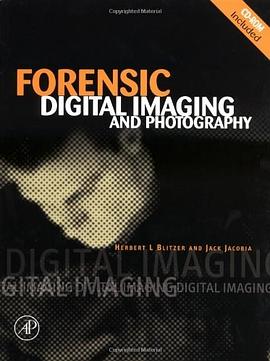
Forensic Digital Imaging and Photography covers each facet of digital imaging-how to select equipment, when to use it, how to produce a good image, and how to present that image in court. It clarifies the difference between what can be done digitally and what should be done in a forensic setting, and helps the reader "learn by doing" with exercises and step-by-step instructions. The images and exercises in the accompanying CD-ROM provide practical examples of the techniques described in the book. Key Features: * Teaches the basics of digital imaging and how to choose the right tool for each job * Describes how to master specific tasks such as scanning, selecting media for archiving, configuring a digital imaging system, setting the proper resolution, adjusting the image, comparing images with known samples, and much more * Includes detailed graphics of the photography and imaging tools, and dialog boxes to describe each function * Provides easy-to-follow instructions for each exercise in the book and on the CD ROM, including required images * Describes potential pitfalls of using digital technology Law enforcement officials who follow the recommendations in this text can feel confident that their handling of imaging evidence will stand up to the high standards necessary for presentation in criminal cases. Topics covered in the book: The opening chapters teach the basics of digital imaging and how to choose the right tool for each job. The remaining chapters show how to: * Scan original negatives and slides with a film scanner * Scan photographs, line drawings, and documents with a flatbed scanner * Select the best equipment for the job * Select the best media for archiving * Configure and use a digital imaging system * And more Exercises provide step-by-step instructions on how to: * Size and set the resolution of an image * Adjust highlights, shadows, contrast, color, density, etc. * Record each action performed on the images * Separate images into color channels * Graphically compare wounds with weapons and compare handwriting exemplars with questioned samples, etc. * Remove backgrounds from fingerprints using FFT filters * Use a sizing tool to adjust images for direct comparison * Use frequency filters to enhance hidden facial features
* Teaches the basics of digital imaging and how to choose the right tool for each job * Describes how to master specific tasks such as scanning, selecting media for archiving, configuring a digital imaging system, setting the proper resolution, adjusting the image, comparing images with known samples, and much more * Includes detailed graphics of the photography and imaging tools, and dialog boxes to describe each function * Provides easy-to-follow instructions for each exercise in the book and on the CD-ROM, including required images * Describes potential pitfalls of using digital technology
作者简介
目录信息
读后感
用户评价
说实话,读这本书的过程有点像在攀登一座技术高峰,过程是艰辛的,但顶峰的风景绝对值得。它并没有试图用花哨的案例来吸引眼球,反而聚焦于那些最基础、最容易被忽视的技术细节,比如传感器噪声的管理和图像存储介质的退化效应。我特别喜欢它在探讨“主观性与客观性”平衡时所采取的立场。作者承认,无论技术多么先进,最终的解释总会带有一丝人为的解读,但他提供了一套近乎完美的框架来最大限度地减少这种不确定性。书中关于图像渲染和三维重建的技术部分,简直是为电影特效师和高端的司法可视化专家量身定做的。那种对图像细节的把控力,让我开始重新审视我过去拍摄的每一张照片——原来,一张“好”的照片和一份“可信赖”的数字证据之间,隔着如此巨大的技术鸿沟。这本书是知识的密度极高的一块压缩饼干,需要慢慢品味,才能消化其精髓。
这本书的结构编排极具匠心,它像是精心设计的迷宫,引导读者从基础的光学原理逐步深入到最前沿的数字取证协议。我发现作者在解释复杂的算法时,会不自觉地插入一些历史背景和先驱人物的故事,这使得原本枯燥的技术章节变得鲜活起来。例如,他对早期数字图像处理领域先驱者的致敬,不仅丰富了内容,也让读者对当前技术的来之不易有了更深的敬意。在处理图像失真和伪造检测方面,书中提供了一套多层次的验证模型,这套模型不仅具有强大的理论支撑,而且在实际操作中表现出了极高的鲁棒性。它教会我如何从一个完全不信任图像内容的角度去审视证据,将每一个像素都视为潜在的谎言。对于希望在取证领域追求极致精确度、并愿意投入大量时间进行深层学习的求知者来说,这本书是一份不可多得的、值得反复研读的珍藏品。
这本关于数字取证和摄影的书籍,给我的感觉简直就是一场对细节的狂热探索之旅。作者对图像采集和分析的每一个环节都展现出了近乎偏执的严谨性,从现场的初始记录到最终报告的呈现,每一步都仿佛在遵循一套神圣的仪式。我尤其欣赏其中关于“元数据迷宫”的深入剖析,它不仅仅是枯燥的技术讲解,更像是在引导我们穿越信息洪流,去挖掘那些隐藏在像素深处的真实故事。书中对不同光源在数字图像采集中的影响进行了细致的量化分析,这对于那些需要在复杂光照环境下工作的专业人士来说,无疑是宝贵的实战指南。那种将科学原理与实际操作无缝对接的叙事方式,让我仿佛置身于一个装备精良的实验室,亲手操作着那些高精尖的设备。对于任何希望将数字证据的可靠性提升到极致的人而言,这本书的价值无可估量,它超越了一般的工具手册,上升到了方法论的高度。
这本书的叙事节奏非常稳健,读起来有一种久经沙场的资深专家的沉稳感。它没有太多戏剧性的描述,而是用一种近乎报告文学的口吻,详尽地记录了数字图像技术在司法实践中是如何一步步建立起其权威性的。我特别欣赏作者在介绍各类专业软件工具时,所采用的批判性视角。他不会盲目推崇某一种“万能”的解决方案,而是对比不同工具的优缺点,并强调操作者知识的重要性远高于工具本身。书中关于“跨平台证据比对”的章节,简直是为国际合作和复杂案件设计的一份路线图。它清晰地指出了不同系统间兼容性的陷阱和规避策略。这本书给我的感觉是,它不是一本教你如何快速出成绩的书,而是一本为你打下数十年职业生涯坚实基础的百科全书,它教会你如何思考问题,而不是仅仅记住答案。
我刚翻开这本摄影技术手册的时候,还以为自己掉进了一个关于光线折射与色彩理论的学术研讨会里。它的文风相当的学术化,充满了严密的逻辑推演和大量的公式引用,初看起来可能会让一些追求快速入门的读者望而却步。但是,一旦你沉下心来,你会发现这种深度的钻研正是其魅力所在。作者对“图像保真度”的探讨达到了令人叹为观止的程度,他不仅仅在告诉你“如何做”,更是在拷问“为什么必须这样做”。特别是关于图像压缩算法对证据链完整性影响的章节,简直是一场视觉上的解剖学演示,将JPEG、TIFF等格式的内在缺陷剖析得淋漓尽致。这本书更像是一位老派的、不苟言笑的导师,他要求你理解每一个技术决策背后的哲学基础,而不是简单地复制粘贴操作步骤。对于那些需要为法庭辩论提供坚实技术支撑的专家来说,这种深度是决定性的优势。