具体描述
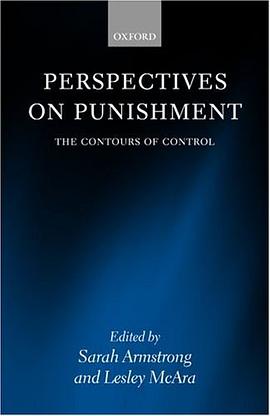
This book offers an incisive collection of contemporary research into the problems of crime control and punishment. It has three inter-related aims: to take stock of current thinking on punishment, regulation, and control in the early years of a new century and in the wake of a number of critical junctures, including 9/11, which have transformed the social, political, and cultural environment; to present a selection of the diverse epistemological and methodological frameworks which inform current research; and finally to set out some fruitful directions for the future study of punishment. The contributions to this collection cover some of the most exciting and challenging areas of current research including terrorism and the politics of fear, penality in societies in transition, penal policy and the construction of political identity, the impact of digital culture on modes of compliance, the emergent hegemony of information and surveillance systems, and the evolving politics of victim-hood.
Taken together, this work draws connections between local problems of crime control, transnational forms of governance, and the ways in which certain political and jurisprudential discourses have come to dominate policy and practice in western penal systems.
作者简介
Sarah Armstrong is a lecturer in criminology and a member of the Centre for Law and Society, University of Edinburgh. Her current research is in the sociology of punishment and focuses on developing a sociology of accountability, analysing privatization in justice and punishment, and contributing to social and cultural scholarship on risk. Lesley McAra is a senior lecturer in criminology and a member of the Centre for Law and Society, University of Edinburgh. She writes and teaches in the fields of the sociology of punishment, youth crime and justice, gender, and crime and criminal justice. Currently she is a co-director of a major programme of research funded by the ESCR, Scottish Executive and the Nuffield Foundation on youth transitions and crime.
Contributors:
Sarah Armstrong
Lesley McAra
Richard Sparks
Lindsay Farmer
Evi Girling
Loïc Wacquant
Laura Piacentini
Thomas Mathiesen
David Downes
Kirstine Hansen
Neil Hutton
Richard Jones
Andrew Scull
Malcolm Feeley
目录信息
Foreword
Acknowledgements
1. Audience, borders, architecture: the contours of control, Sarah Armstrong and Lesley McAra
2. Ordinary anxieties and states of emergency: statecraft and spectatorship in the new politics of insecurity, Richard Sparks
3. Tony Martin and the nightbreakers: criminal law, victims and the power to punish, Lindsay Farmer
4. European identity, penal sensibilities and communities of sentiment, Evi Girling
5. Penalization, depoliticization, racialization: on the over-incarceration of immigrants in the European Union, Loïc Wacquant
6. Prisons during transition: promoting a common penal identity through international norms, Laura Piacentini
7. The globalization of control - towards a control system without a state?, Thomas Mathiesen
8. Welfare and punishment in comparative perspective, David Downes and Kirstine Hansen
9. Sentencing as a Social Practice, Neil Hutton
10. 'Architecture', criminal justice, and control, Richard Jones
11. Power, social control, and psychiatry: some critical reflections, Andrew Scull
12. Origins of actuarial justice, Malcolm Feeley
Notes on Contributors
· · · · · · (收起)
读后感
用户评价
《刑罚的视角》这本书,与其说是一本关于法律的书,不如说是一本关于人性深处的反思录。作者没有将惩罚局限于冰冷的条文和案例,而是将它置于人类情感、道德困境和集体记忆的宏大背景下进行审视。我被书中关于“惩罚的道德基础”的讨论深深吸引。作者探讨了复仇、正义、宽恕等一系列复杂的情感如何交织在一起,共同塑造了我们对惩罚的认知。书中对于“同情”在刑罚中的作用也进行了发人深省的探讨,质疑了纯粹的“惩罚至上”是否真的符合人道主义精神。我非常赞同作者在书中提出的观点:惩罚不仅仅是为了惩罚本身,更是为了重建被破坏的社会契约,以及引导罪犯重返社会。然而,作者也尖锐地指出了现实中普遍存在的“惩罚失灵”现象,即许多惩罚措施并不能达到预期的效果,反而可能加剧社会隔阂和个人绝望。书中对于“罪犯的非人化”现象的批判,尤其让我感到触动,它让我们反思,在执行惩罚的过程中,我们是否也丧失了对人性的基本尊重。这本书是一次深刻的内心对话,它鼓励我重新审视我们对待“错误”和“失范”的态度。
我最近读完的《刑罚的视角》,给我的感觉就像是在拆解一个复杂而古老的机器。作者以一种非常系统化的方式,将刑罚这个概念分解成各个组成部分,然后逐一进行深入的分析。我特别欣赏书中关于“刑罚的社会功能”的论述。作者不仅仅停留在个体层面的惩罚,而是将目光投向了惩罚在维护社会秩序、传播道德观念、以及塑造集体认同等方面的作用。书中通过对不同社会制度下刑罚实践的比较研究,揭示了刑罚的社会功能是如何随着时代和制度的变化而变化的。我印象深刻的是,作者对“惩罚的象征意义”进行了细致的解读。他认为,许多刑罚不仅仅是肉体或精神上的折磨,更是一种强有力的象征,它在不断地向社会传达“什么是可以接受的,什么是不可以接受的”。这种象征性的力量,往往比实际的惩罚本身更具持久性。书中还探讨了“惩罚的未来走向”,作者对技术进步,例如大数据和人工智能,可能如何影响未来的刑罚体系,提出了既有期待又充满警惕的观点。这本书让我看到了刑罚体系的复杂性、动态性以及其深刻的社会根源,也让我对未来的社会治理和法律发展有了更多的思考。
我最近才翻阅了《刑罚的视角》,这本书给我带来的冲击力至今仍在。这本书给我的感觉,更像是一次穿越时空的哲学对话。作者以一种近乎考古的方式,挖掘了不同文明、不同时代对于“惩罚”的理解和实践。从古代的血腥刑罚,到启蒙运动时期对人道的追求,再到现代社会对犯罪心理学的研究,书中勾勒出了一幅波澜壮阔的刑罚演变史。我尤其欣赏作者对“惩罚与权力的关系”的深入剖析。书中明确指出,惩罚从来都不是一个纯粹的技术性问题,它深刻地烙印着社会权力结构和意识形态的痕迹。作者用大量的历史案例说明,刑罚的制定和执行,往往是统治阶级维护其统治、塑造社会秩序的有力工具。这种视角让我重新审视了那些看起来“理所当然”的法律条文和刑罚制度。书中还探讨了“惩罚的文化相对性”,不同文化背景下,对于何种行为应受惩罚,以及惩罚的程度,都存在着巨大的差异。这让我意识到,我们不能用单一的普世标准来衡量所有文明的刑罚实践。这本书让我开始思考,我们今天所采取的惩罚方式,在未来的历史学家眼中,又会是怎样的图景?
这本书《刑罚的视角》简直就是一本思想的盛宴!我一直以为自己对刑罚有比较清晰的认识,但读了这本书之后,才发现自己过去的认知是多么的狭隘。作者在书中没有回避任何争议性的话题,反而直面那些令人不适但又至关重要的问题。比如,书中对于“惩罚的有效性”提出了极具挑战性的观点,挑战了许多人根深蒂固的“重刑主义”观念。作者通过对不同刑罚措施实施效果的细致评估,揭示了许多看似严厉的惩罚措施,在长期来看,对减少犯罪率的影响却微乎其微,甚至可能适得其反。我印象最深刻的是关于“刑罚公平性”的论述。作者不仅仅从法律条文本身出发,更是深入探讨了社会经济地位、种族、性别等因素如何影响一个人接受惩罚的实际经历。这部分内容充满了社会批判的色彩,也让我反思了司法体系中可能存在的结构性不平等。书中对“监禁”这一刑罚形式的批判尤为尖锐,作者详细阐述了监狱系统可能带来的“污名化”效应以及对个人康复的阻碍。总而言之,这本书提供了一个非常多元化的视角来理解刑罚,它不仅仅是关于法律,更是关于社会、人性和权力。
我最近读完了一本名为《刑罚的视角》的书,这本书确实让我耳目一新。它没有像我之前读过的许多关于犯罪学的书籍那样,仅仅罗列一堆统计数据或案例分析。相反,作者以一种极其深刻且富有哲理的方式,探讨了“惩罚”这一概念本身。我尤其被书中关于惩罚目的的讨论所吸引。作者不仅仅停留在报应主义的层面,而是深入挖掘了教育性、威慑性以及社会隔离等多种功能,并且对它们之间的相互作用和潜在冲突进行了细致的剖析。有一章专门探讨了“修复性司法”的兴起,这部分内容让我对惩罚的未来走向有了全新的认识。作者并没有简单地赞美它,而是审慎地分析了它的优势和局限性,以及在不同社会文化背景下的适用性。我特别欣赏的是,书中引用了大量的历史文献和哲学思想,将刑罚的演变置于更广阔的人类文明进程中去审视。这种宏观的视角,使得原本可能枯燥的理论变得生动而引人深思。这本书迫使我重新审视自己对正义和惩罚的理解,也让我意识到,即使是最古老的社会实践,也依然有着值得深入探索的复杂性和多样性。对于任何对社会学、哲学或者法律感兴趣的读者来说,这本书都提供了极具价值的阅读体验。