
具体描述
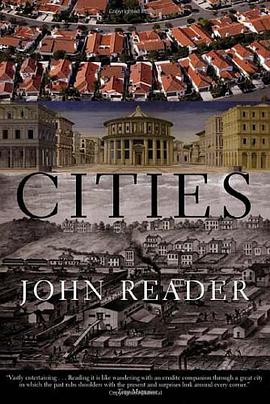
In Cities , the acclaimed historian John Reader takes us on a journey of the city—from its earliest example in the Ancient Near East to today’s teeming centers of compressed existence, such as Mumbai and Tokyo. Cities are home to half the planet’s population and consume nearly three-quarters of its natural resources. For Reader, they are our most natural artifacts, the civic spirit of our collective ingenuity. He gives us the ecological and functional context of how cities evolved throughout human history—the connection between pottery making and childbirth in ancient Anatolia, plumbing and politics in ancient Rome, and revolution and street planning in nineteenth-century Paris. This illuminating study helps us to understand how urban centers thrive, decline, and rise again—and prepares us for the role cities will play in the future.
作者简介
约翰·里德(John Reader)是一位作家和摄影记者,拥有伦敦大学学院(UCL)人类学系的荣誉研究学位,是皇家人类学研究院和皇家地理科学院的成员。作品包括《非洲:一个大陆的传记》(Africa: A Biography of the Continent)、《大地上的人及消失的线索:寻找最早的人类》(Man on Earth and Missing Links: The Hunt for Earliest Man)。
目录信息
读后感
卡尔维诺写过《看不见的城市》。在那本书里,所有的城市都是虚构的,作家的目的在于提供机会,让我们对城市或泛指意义上的城市进行反思。英国人类学家约翰•里德的《城市的故事》则提供了一部真实的历史,还原逝去的场景,以昨日观照当下。 通史作品一般聚焦...
记得之前玩文明5,一个文明建立的标志不是文字的发明、甚至不是农业,而是那一群人在一个地方开始定居,建立自己的城市,才算是诞生了一个新的文明。 其实农业与城市是共生的,但并不是充分必要条件。 加泰土丘的人们聚集在一起超过一千年。他们一起务农,产出非常好...
我觉得这一本书很适合跟卡尔维诺的《看不见的城市》放在一起阅读。我认为这两本书都是在讲述关于城市的故事,只是前者是从生态学的视角出发带历史传记性质,而后者则是将各种抽象的学科(诸如符号学之类)混沌成一锅文学浓汤。然而这两者相互参照,相互衬托,却可以让我们对城...
当一场瘟疫袭击我们时,保护我们的不仅有医疗手段,还有严格的隔离、消毒、检疫等现代管控制度。 事实上医学对于瘟疫或者普通的流感和感冒,除了能减轻一些痛苦之外,并没有更多办法来对付它们。市面上所谓的“感冒药”只不过是让我们少流鼻涕、少咳嗽,真正治愈感冒的只有我们...
《城市》:我们塑造城市也为它所塑造 “城市是人类文明的典型产物,在这里展现了人类所有的成就和失败”,身兼作家与摄影记者二职的约翰·里德在《城市》第一章开头的这句话,清楚无误地说明了他为什么要在这本书里以“生态学的视角”去展示那些在世界历史上具有特殊意义的样...