
具体描述
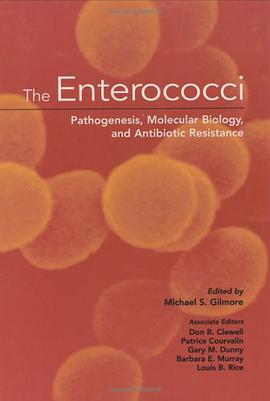
The Enterococci is a fascinating subject that delves into the intricacies of bacterial microbiology, offering readers an insightful look into the microscopic world that surrounds us. This book provides a comprehensive exploration of enterococci bacteria, which are a diverse group of microorganisms known for their resilience and adaptability. Through detailed descriptions and scientific explanations, it covers various aspects such as their classification, ecological roles, and medical significance. One of the key features of this work is its thorough examination of how enterococci interact with human health. The authors discuss the bacteria's presence in both clinical settings and everyday environments, highlighting their ability to survive and even thrive under different conditions. This includes an analysis of their role as potential causes of infections, ranging from mild gastrointestinal issues to more severe systemic diseases. By presenting a balanced view, it underscores the importance of understanding these microbes not just for their pathogenic potential but also for their beneficial contributions in certain contexts. The book also explores the fascinating world of bacterial genetics and evolution within the Enterococci family. Readers will gain a deeper appreciation for how these bacteria adapt to environmental pressures, develop antibiotic resistance, and diversify over time. This section is particularly valuable for those interested in microbiology or related scientific fields, as it provides foundational knowledge that can be applied to broader research questions. Moreover, The Enterococci offers an engaging look at the challenges faced by scientists in studying these bacteria. From laboratory techniques to advanced imaging technologies and molecular biology methods, the authors provide a vivid account of the tools and strategies employed to uncover the secrets of this group. This practical perspective is crucial for anyone looking to advance their understanding or apply it in research settings. A significant emphasis is also placed on public health implications. The text discusses the impact of enterococci on food safety, water quality, and the general population's health. It explores how outbreaks and contamination events are managed, offering readers a comprehensive overview of preventive measures and strategies for mitigating risks associated with these bacteria. This section is particularly relevant for professionals in healthcare, public safety, and environmental science. In addition to its scientific content, The Enterococci engages readers through thought-provoking discussions on the ethical considerations of bacterial research. Topics such as genetic modification, biosafety concerns, and the responsibilities of scientists are addressed with clarity and insight. These discussions are designed to stimulate critical thinking and encourage a deeper understanding of the broader implications of microbiological work. The narrative is enriched with case studies that illustrate real-world applications and discoveries. By examining specific instances where enterococci played a pivotal role, readers can better grasp the relevance of this research to various fields. This approach not only enhances comprehension but also fosters an interest in the subject by connecting theoretical knowledge with practical scenarios. Furthermore, The Enterococci delves into the environmental significance of these bacteria. It describes their presence in natural ecosystems and how they influence ecological processes. Understanding the role of enterococci in these contexts is essential for appreciating the interconnectedness of life at different levels. This aspect of the book appeals to readers who are keen on understanding biodiversity and ecosystem dynamics. Throughout, the writing maintains a clear and accessible tone, making complex scientific concepts understandable to a wide audience. The inclusion of diagrams, charts, and illustrations further enhances the reader's experience, providing visual aids that complement the textual information. These elements work together to create a rich, informative reading journey. The book also features expert interviews and contributions from leading researchers in the field. Their insights add layers of credibility and depth, offering readers a chance to hear directly from those at the forefront of scientific inquiry. This feature not only enriches the content but also provides an opportunity for readers to connect with professionals who are actively shaping the future of microbiology. In conclusion, The Enterococci stands as a thorough and engaging resource that bridges the gap between intricate science and practical application. It is designed to appeal to both novices and experienced researchers, providing valuable knowledge while maintaining an informative yet accessible style. Whether you are a student, educator, or professional in the field of microbiology, this book will offer a comprehensive and enlightening exploration of enterococci bacteria, enriching your understanding of their importance in the scientific world.