
具体描述
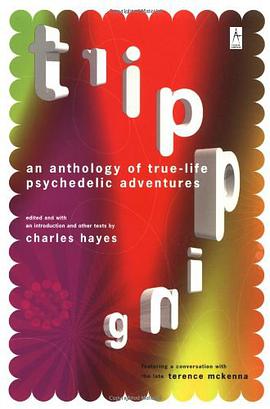
The psychedelic experience has been both demonized and mythologized, but what is it really like to trip? TRIPPING: An Anthology of True-Life Psychedelic Adventures, the first major compilation of personal testimonies about psychedelic experiences, contains narratives by 50 people of various nationalities and walks of life about their most unforgettable altered states -- from the heavenly to the horrific. In gripping, often suspenseful tales suffused with a high sense of adventure, TRIPPING liberates the psychedelic experience from the closet of social stigma as well as from the mists of Sixties counter-cultural idealism. Relating the harrowing straits and exhilarating peaks of the psychedelic inner odyssey are many accomplished writers, including former Grateful Dead lyricist John Perry Barlow, war photographer Tim Page, Beat poet Anne Waldman, science fiction writer Robert Charles Wilson, thriller writer Steven Martin Cohen, Ecstasy expert Bruce Eisner, and phenomonologist Paul Devereux. Most of the narratives, however, come from “ordinary” people from Sydney to Belfast to San Francisco, for whom their anonymity brings out an intensely personal, confessional dimension. The stories, edited mostly from taped interviews by journalist Charles Hayes, enable readers to either “trip” vicariously or compare notes on their own experiences. Specially featured is a lengthy conversation with the late Terence McKenna , the man who many believe inherited Tim Leary’s mantle as the leading spokesman for psychedelics from the late Seventies until his death in April 2000. A veteran of myriad "heroic doses," McKenna discusses some of his own trips for the first time, as well as a range of issues, including his own provocative brand of eschatology, politics, and anthropology, at the center of which is an abiding faith in the power of psychedelic drugs. TRIPPING’s balanced, objective perspective portrays both positive and negative impacts of psychedelic experiences, depicting both the tolls and the rewards of such chemically-induced excursions from reality. Types of episodes run the gamut from encounters with godhead and alien or discarnate entities; out-of-body experiences, freak-outs, flashbacks, psychosis (momentary and otherwise), and acts or events of apparent magic or miracle. The trips described were catalyzed not just by classic psychedelics such as LSD, but by a wide array of psychotropics, from the sacred plants of indigenous peoples to the latest synthetic “smart drugs.” Some sample plotlines At a summer festival, a man on LSD believes he’s attending the final celebration of the gods and that his mission is to mate with his chosen one before the entire tribe moves on to a higher sphere at the climax of the “orgasm death dance." A young man eats some peyote buttons on a hike in the Grand Canyon, and stumbles upon a near-death experience. A group of army buddies test the limits of their bodies' endurance during an acid session by a campfire. The ministrations of the "shining ones", astral beings accessed during an LSD trip, lure a college student to higher realms of consciousness. A psychedelic ingested at the notorious Altamont concert of 1969 triggers a bizarre odyssey through the San Francisco city jail and mental health system for a fellow who believes he’s an angelic revolutionary. After a déjà vu of enlightenment during which he begins speaking in tongues, a tripper plummets into the flipside of that experience in an episode of horrific eternal recurrence that revisits him in flashbacks. A wooden carving of Christ speaks out loud to a seminary student during a church service, reshaping her theology and the depth of her faith. The narratives in TRIPPING are placed in larger contexts by Hayes’s essays, which include a synopsis of the history and culture of psychedelics from the ancient Greek mystery rites to today's Ecstasy-fueled rave events; an exposition on the kinetics of tripping (what can go right and wrong on a trip), including basic medical and psychological background; and a concise index of psychedelic substances. The illustrations in TRIPPING are provided by renowned visionary artist Alex Grey and four computer graphics masters. You can contact the author at Trippingtales@aol.com and at his website.
作者简介
目录信息
读后感
用户评价
阅读此书的过程,更像是进行了一场漫长的、关于道德模糊性的哲学辩论。作者毫不留情地将人性中最灰暗、最自我辩护的部分暴露出来,而且他没有提供任何简单的道德标尺让你去衡量角色的对错。每个人似乎都有自己的“正义”,即便这种正义是以牺牲他人的幸福为代价。我反复思考了书中关于“选择的必然性”这一主题,究竟是环境塑造了他们,还是他们骨子里就注定了走向那条黑暗的小径?这种沉重的思考负荷,使得阅读体验变得极其深刻,但同时也消耗了我大量的精神能量。它没有提供救赎,也没有简单的谴责,只是冷峻地陈述着事实——那些人是如何一步步将自己逼入绝境的。对于那些喜欢探讨人性复杂性和伦理困境的读者来说,这本书无疑是极佳的素材。
我得说,这本书的语言风格是它最大的挑战,也是它最迷人的毒药。它不像传统的叙事那样循规蹈矩,反而更像是一首意识流的交响乐,充满了跳跃的意象和破碎的句式。有些段落读起来会让人感到一种近乎眩晕的美感,文字的密度极高,需要反复咀嚼才能体会到其中蕴含的深层意图。我尤其喜欢作者处理时间线的方式,它不是线性的,而是像一个被揉皱的纸团,过去、现在和潜在的未来在页面的某个角落交汇、重叠。对于那些偏爱结构严谨、情节清晰的读者来说,这本书可能会带来挫败感,但如果你愿意放下对“故事”的传统期待,转而拥抱一种更纯粹的文学体验,那么这本书会给你带来极大的回报。它迫使你从传统的阅读模式中抽离出来,去感受文字本身的力量和节奏,去体验那种“理解”正在发生,但你又抓不住它的微妙快感。
这本书的结构设计简直是一个精妙的陷阱,它成功地利用了读者的预期,然后在最不设防的时候,将你推入一个完全不同的境地。故事的开端带着一种熟悉的、近乎田园牧歌式的宁静,让你误以为这是一部关于成长或探索的作品。然而,随着情节的深入,那些细微的裂痕开始显现,并迅速扩大成吞噬一切的深渊。我特别佩服作者在塑造配角上的功力,他们都不是简单的工具人,每个人都带着自己沉重的包袱和未竟的使命,他们的每一次出现都像是在原本就不稳定的地基上又增加了一块不规则的石头。这种多层次的叙事策略使得整体的张力始终维持在一个高点,你无法预知哪条线索会突然爆发,也不知道哪个人物会在下一章中彻底崩塌。这更像是一部心理惊悚片,只不过武器不是枪械,而是回忆和谎言。
这本书的视觉化呈现能力达到了令人难以置信的高度,即便只是通过文字,那些场景也如同高清的电影画面般在我脑海中不断闪回。特别是关于“遗忘”和“重构记忆”的那几段描写,作者通过对光线、气味乃至触感的精细捕捉,创造出一种近乎超现实的体验。我仿佛能闻到海边腐朽木头的味道,能感觉到那种冰冷的海风拍打在皮肤上的刺痛感。这种高度的沉浸感,很大程度上归功于作者对细节的偏执,他不会放过任何一个可以用来锚定场景的微小元素。然而,这种细节的丰沛也带来了一定的阅读障碍,因为你必须放慢速度,才能确保没有遗漏任何一个构建这个宏大场景的砖块。总而言之,这是一次酣畅淋漓的感官体验,它不仅是用眼睛阅读,更是用全身心去感受作者构建的那个独特宇宙。
这本书的叙事节奏简直是令人窒息的迷宫,每一个转折都像是猛地踩下了刹车,然后又以一种更令人不安的速度加速。作者似乎对人物的内心世界有着近乎病态的迷恋,将那些隐藏在光鲜外表下的恐惧、嫉妒和近乎无法理解的执念,如同手术刀般一层层剥开。我尤其欣赏他对环境氛围的渲染,那种潮湿、压抑,仿佛空气本身都凝结着秘密的气息,让你在阅读过程中不自觉地屏住呼吸。故事的主线在不断地自我吞噬和重塑,你以为你已经抓住了真相的尾巴,下一秒它就化作了另一团更复杂的迷雾。读完之后,我感觉自己像是刚从一场漫长而晦涩的梦中醒来,那种挥之不去的模糊感和对某些未解之谜的强烈探究欲,久久不能平息。这绝对不是一本让你放松消遣的作品,它需要你投入全部的精力去解构每一个象征符号和每一个看似不经意的对话,每一次重读都会带来新的感悟,这才是真正优秀文学作品的标志。