
具体描述
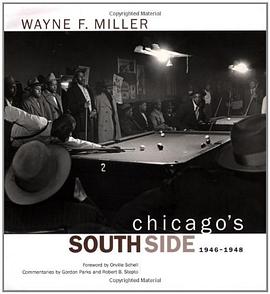
Wayne Miller's photographs chronicle a black Chicago of fifty years ago: the South Side community that burgeoned as thousands of African Americans, almost exclusively from the South, settled in the city during the Great Migration of the World War II years. The black-and-white images provide a visual history of Chicago at the height of its industrial order--when the stockyards, steel mills, and factories were booming--but, more important, they capture the intimate moments in the daily lives of ordinary people. Miller was adept at becoming invisible, and his photographs are full of naked, disarming emotion. One of the first Western photographers to document the destruction of Hiroshima and the survivors of the bombing, Wayne Miller had just returned from his stint as a World War II Navy combat photographer under the direction of Edward Steichen when he received two concurrent Guggenheim fellowships to fund his Chicago project. Taken over a course of three years beginning in 1946, his photographs span city scenes from storefront church services to slaughterhouse workers in the taverns at night to a couple making love. In addition to affording a glimpse into the hopes and hardships shared by a community of migrants who had just made the long journey from the rural South to the urban North, the images collected in Chicago's South Side reflect the enormous variety of human experiences and emotions that occurred at a unique time and place in the American landscape. A few celebrities appear in these images--Paul Robeson, Ella Fitzgerald, Lena Horne, Duke Ellington. But mostly we see ordinary people--in clubs and at church, sporting events, parades. Much is on view that is of interest to the student of mid-twentieth-century black Chicago: the neighborhoods Richard Wright's Bigger Thomas traversed in Native Son, the Bronzeville limned in Gwendolyn Brooks's earliest poems, and the street life that inspired the urbanscapes of painter Archibald Motley. The kitchenette apartments that Miller so deftly memorializes are bursting with people of all ages sleeping, dressing, courting, and dreaming. One senses the intimacy between his subjects and the emotions that animate their lives. Gordon Parks's memoir of poverty and hope in the freezing tenements of the South Side supplements the photographs, while Robert Stepto's essay contextualizes the South Side in the history of postwar Chicago. Chicago's South Sideis a superb testament to the talent of the photographer, to the spirit of the people the images portray, and to the moment in American history these photographs capture.
作者简介
目录信息
读后感
用户评价
这本书的叙事节奏把握得极其精妙,它不像某些历史著作那样急于抛出结论,而是耐心地引导读者进入一个特定的心境和环境之中。我体验到一种缓慢的沉浸感,仿佛是搭乘着一趟老式电车,缓缓驶过那些被时间遗忘的街角。文字的质感非常醇厚,使用的词汇和句式都带着一种沉淀下来的韵味,这使得阅读过程本身成为一种享受。我特别留意到作者在描绘人物内心活动时所展现出的细腻与克制,那种不煽情却直击人心的力量,远比浮夸的渲染来得更有力量。每一次翻页,都像是在揭开一层旧照片上的灰尘,内里隐藏的,是那个时代特有的幽默、辛酸与坚韧。这种处理方式,让读者能够以一种更私密、更具同理心的方式去接触历史的肌理,而不是被动地接受信息。这本书的价值,就在于它成功地将个体经验放大,使其成为理解更广阔历史图景的一把关键钥匙。
这部作品着实让人沉思良久,它以一种近乎纪录片的冷静笔触,缓缓展开了一幅关于特定年代特定地域的社会浮世绘。虽然我无法确切地提及书名,但光是阅读这些文字所激发的联想,就足以让人感受到一种厚重的历史气息。作者对于细节的捕捉能力令人赞叹,那些看似微不足道的日常片段,被精心编织在一起,形成了一种强大的情感张力。我尤其欣赏那种不加粉饰的真实感,仿佛能透过文字的缝隙,嗅到空气中混合着煤烟和生活压力的独特气味。书中人物的命运交织在一起,各自背负着时代的烙印,他们的挣扎与希望,构筑了一个复杂而又引人入胜的叙事迷宫。读完之后,你会发现自己对那个时代的理解,不再是教科书上冰冷的日期和事件,而是充满了人性温度的鲜活体验。这种对微观历史的深度挖掘,使得整本书拥有了一种超越时空的穿透力,让人不禁思考,在那些宏大叙事之外,普通人的生活是如何被塑造和定义的。
从文学技法上来说,这本书的结构组织可谓是匠心独运。它巧妙地在多条时间线和视角之间进行切换,却始终保持着令人惊奇的流畅性。这种非线性的叙事方式,非但没有造成阅读上的障碍,反而极大地增强了历史的厚度和复杂性。作者似乎运用了一种“碎片化”的拼图手法,将看似不相关的事件和人物侧面联系起来,最终拼凑出一个宏大而又精微的时代侧影。尤其值得称赞的是,作者在处理历史转折点时的那种克制,他没有简单地去评判是非,而是将所有的人物都置于其所处的历史熔炉中,让他们自然而然地展现出在压力下的反应。这种高明的叙事策略,使得读者在阅读过程中需要持续地进行主动思考和信息整合,每一次的豁然开朗,都来自于自己思维的深入探索,而不是作者的直接点拨。
阅读此书时,我强烈感受到一种强烈的“地方感”——那种只有深入特定地理环境才能培养出的独特文化氛围和生活哲学。作者对城市肌理的描摹达到了近乎建筑学的精确度,每一条街道、每一栋建筑的朝向,似乎都暗示着居民的生活方式和阶层划分。这种对环境的细致描摹,并非仅仅为了烘托气氛,它更像是一种隐形的叙事线索,解释着书中人物行为动机的深层根源。我仿佛能听到远处传来的爵士乐的微弱回响,闻到街边小店食物的香气,感受到那种在特定社会结构下,人们既相互依赖又保持距离的微妙关系。这本书无疑是写给那些热爱“在场感”的读者,它让你感觉自己不是在阅读一个故事,而是在那个时空背景下生活过、呼吸过。它成功地捕捉并固化了某种即将逝去的生活方式的精魂,这一点,令人敬佩。
这本书最打动我的,是它对于“社区”和“身份认同”主题的深刻探讨。它揭示了一个核心矛盾:在快速变迁的时代背景下,人们如何努力维护自己固有的文化坐标和归属感?书中人物的对话充满了那个特定群体的“行话”和潜规则,这些语言的纹理,本身就是一种强有力的文化标识。我注意到,作者对不同族裔、不同阶层人群之间的互动,进行了极其微妙的刻画,没有出现脸谱化的处理,每一个群体的内部差异性都被尊重和呈现。这种对复杂社会生态的描摹,让读者意识到,所谓的“历史”,从来都不是铁板一块的,它是由无数个具有独特声音和诉求的微观群体共同构成的。阅读完后,我不仅对那个历史时期有了更立体的认知,更对“家园”和“邻里关系”在个体生命中的意义,有了全新的感悟。