
具体描述
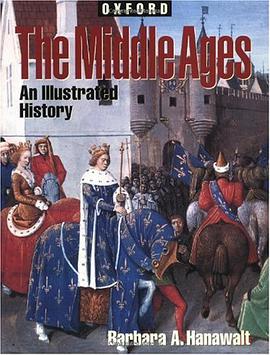
A brisk narrative of battles and plagues, monastic orders, heroic women, and knights-errant, barbaric tortures and tender romance, intrigue, scandals, and conquest, The Middle Ages: An Illustrated History mixes a spirited and entertaining writing style with exquisite, thorough scholarship. Barbara A. Hanawalt, a renowned medievalist, launches her story with the often violent amalgamation of Roman, Christian, and Germanic cultures following the destruction and pillaging of the crown jewel of the Roman Empirethe great city of Rome. The story moves on to the redrawn map of Europe, in which power players like Byzantium and the newly-established Frankish kingdom begin a precarious existence in a "sea of tribes" (in the words of a contemporary). Savage peoplesthe bloodthirsty Germans, the wild Visigoths and Ostrogoths, the fierce Anglo-Saxons, and the Slavs to the Eastas well as the sophisticated and ever-expanding Arabs threaten each others borders, invade cities and have their own cities sacked, fight victorious battles and get conquered in turn. Hanawalt charts the spread of Christianity in Europe, maps out the trail of misery and mayhem the Crusades left in their wake, explains feudalism and Church reform, familiarizes us with the astrolabe and the masterpieces of Romanesque and Gothic architecture, tracks the progress of the Hundred Years' War, and brings great historical figures--such as Charlemagne, King Henry II, Joan of Arc, Dante, and Justinian--to life.
Spanning the millennium between the fifth and the fifteenth centuries, The Middle Ages: An Illustrated History captures the major historical and political events in great depth and clarity, but never loses sight of the plain and often-overlooked facts of lifelife as lived by peasants and townsfolk, kings and monks, men and women. Hanawalt offers fascinating tidbits on diverse facets of medieval society, from herbal medical cures to table etiquette and drinking habits, from tabloid-worthy court scandals to a unique listing of the rules of a monastic order. She examines rare textsfrom illuminated manuscripts to Carolingian minusculeand takes us inside the awe-inspiring Hagia Sofia in Constantinople.
Barbara Hanawalt makes use of eclectic source material, including inscriptions, chronicles, artifacts, and literature, from the Koran to the Scriptures, and from Omar Khayam to the Goliardic poems. Fascinating stories--like that of the discovery of the burial site of an Anglo-Saxon chieftain which contained, among other treasures, an entire 86-foot long shipare interspersed among the chronicles of great historical upheavals. The author takes a sweeping approach to the subject, building a comprehensive, animated portrait of every aspect of life in that period by including material on women's place in medieval society, agriculture, art and literature, religion and superstitions, philosophy, and weaponry. Lavishly illustrated with art, photographs, documents, artifacts, and maps, The Middle Ages also includes a glossary, index, chronology, and suggestions for further reading.
作者简介
目录信息
读后感
用户评价
这本书的文字风格非常独特,它具有一种罕见的、近乎诗意的冷峻美学。不像某些历史著作那样力求通俗易懂而牺牲了语言的厚重感,《中世纪》的作者似乎并不介意用更精确、更具历史沉淀感的词汇来构建他的论述。初读时,可能会觉得需要更慢的节奏去消化那些精妙的措辞,但一旦适应了这种语境,便会发现它带来的阅读愉悦感是无与伦比的。尤其是当作者描述一些重大历史事件的转折点时,那种语气的克制与情感的爆发点之间的微妙平衡拿捏得炉火纯青。比如,对于“蛮族”迁徙浪潮的描述,没有采用煽动性的语言,而是以一种近乎宿命论的笔调,展现了旧帝国瓦解的必然性与新秩序建立的随机性。这本书的价值远超一般通史读物,它更像是一部由一位拥有深刻人文素养的学者精心打磨的艺术品。它要求读者付出专注,但给予的回报是丰厚且持久的——一种对人类历史进程的更深刻、更具层次感的理解。读完后,你会觉得自己的思维框架都被拓宽了,对历史的“线性进步观”产生了必要的怀疑。
说实话,一开始我对《中世纪》抱有一丝怀疑,怕它过于学术化而显得晦涩难懂。然而,一旦沉浸其中,便发现作者简直是一位高超的叙事魔术师。这本书最出彩的地方,在于它对普通人日常生活的细致描摹,这种“微观历史”的视角极大地丰富了我们对那个时代的理解。比如,关于黑死病爆发后,欧洲社会心理和习俗的剧烈变化,书中引用了大量生动的日记和地方志片段,那些关于瘟疫期间的恐惧、迷信以及社会秩序的短暂瓦解,读起来让人感同身受,仿佛置身于那个被阴影笼罩的时代。再比如,对城市手工业行会运作模式的解析,那种严格的学徒制度、对产品质量的近乎苛刻的把控,以及行会内部的权力斗争,都描绘得栩栩如生。这远比单纯罗列国王的名字要有趣得多。作者成功地将宏大的历史背景与活生生的个体命运编织在一起,使得每一个章节都充满了人情味。它让我意识到,中世纪并非一个铁板一块的“黑暗期”,而是充满了地域特色、行业规矩和民间智慧的多元社会。这种细节的打磨,让这本书的阅读体验达到了教科书难以企及的高度。
这部《中世纪》的史诗巨著,简直是打开了一扇通往那个尘封时代的魔法之门!我本以为会读到枯燥的编年史和冷冰冰的政治斗争,结果完全出乎我的意料。作者对于那个时代骑士精神的描绘,那种深入骨髓的荣誉感和忠诚,读起来让人热血沸腾。尤其让我震撼的是关于十字军东征的叙述,它没有简单地将事件脸谱化,而是细致地剖析了不同文化、不同信仰群体之间的复杂互动。从君士坦丁堡的辉煌到耶路撒冷的烽烟,每一次转折都让人心潮澎湃。书中对于封建制度下庄园经济的细节描写,那种田园牧歌式的劳作与背后隐藏的阶级压迫之间的张力,刻画得入木三分。我仿佛能闻到泥土的芬芳,听到铁匠铺的叮当声,感受到农奴们日复一日的辛劳。而且,作者的语言驾驭能力令人惊叹,时而如古老的吟游诗人般娓娓道来,时而又像冷峻的史学家般一针见血。它不仅仅是一部历史书,更是一部关于人类在极端环境中如何构建信仰、秩序与冲突的宏大叙事。我强烈推荐给所有对“黑暗时代”抱有刻板印象的人,因为这本书会彻底颠覆你的认知,让你看到那个时代的复杂性与光辉。它真正做到了让历史“活”了起来,每一个章节都充满了生命力和思想的碰撞。
读完这本厚厚的《中世纪》,我的感觉就像是刚刚完成了一次跨越千年的哲学思辨之旅。它最大的魅力在于其对思想史的深度挖掘。这本书并没有满足于记录王权更迭,而是将大量的笔墨聚焦于经院哲学的兴衰和基督教神学对欧洲社会结构与个体心智的塑造过程。托马斯·阿奎那的思想体系是如何与亚里士多德的逻辑学在中古大学的课堂上激烈碰撞、最终达成一种微妙的平衡,书中分析得极其精妙。我尤其欣赏作者对“异端”现象的解读——那些不被主流教会容忍的思想火花,是如何在边缘地带挣扎求存,并最终影响了后世文艺复兴的种子。这种对“精神矿脉”的探寻,使得全书的基调显得深沉而富有洞察力。阅读过程中,我需要不断地停下来,反思我们今日所依赖的理性与信仰的基础,正是源于这些看似晦涩难懂的中古辩论。相较于许多只关注宏大战争场面的历史作品,这部书更像是提供了一副精致的“思想地图”,指引我们穿越神学迷雾,去理解中世纪欧洲人是如何理解宇宙、死亡与永恒的。它的学术严谨性毋庸置疑,但叙事节奏却极富张力,让人欲罢不能。
我对《中世纪》这本书的结构安排感到由衷的赞叹。它没有采用传统的线性时间轴叙事,而是选择了一种更具穿透力的主题式推进。例如,书中有一部分专门探讨了中世纪的建筑技术,从罗马式厚重坚实的拱券到哥特式尖顶飞扶壁的革命性突破,作者清晰地展示了技术进步如何直接反映了社会财富的积累和对“超越性”的渴望。对这些建筑奇迹的分析,不仅仅停留在工程学层面,更深入到它们作为宗教象征和社区认同核心的意义。我特别喜欢作者如何将艺术风格的演变与政治权力的转移联系起来——拜占庭风格的衰落、诺曼风格的扩张,每一块石头似乎都在无声地诉说着权力的更迭。此外,书中对中世纪法律体系——从日耳曼习惯法到罗马法的复兴——的梳理,也展现了极高的综合能力。它帮助我理解了现代法律体系是如何从中世纪的碎片化治理中艰难孕育出来的。这本书的阅读体验是层层递进的,你以为你理解了表面的社会结构,下一章它又会向你揭示支撑这个结构的底层技术逻辑和精神内核,引人深思,回味无穷。