
具体描述
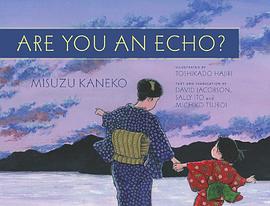
In early-1900s Japan, Misuzu Kaneko grows from precocious bookworm to instantly-beloved children's poet. But her life ends prematurely, and Misuzu's work is forgotten. Decades later her poems are rediscovered-just in time to touch a new generation devastated by the tsunami of 2011. This picture book features Misuzu's life story plus a trove of her poetry in English and the original Japanese.
作者简介
Misuzu Kaneko was born in 1903 in Senzaki, Japan. She rose to fame as a celebrated author of children's poems. After her death, her poems fell into obscurity for decades, until the 1970s when Setsuo Yazaki discovered and published her full body of work in Japanese. This is the first English-language biography and collection of her poetry to be distributed in English.
David Jacobson has a BA in East Asian Studies from Yale University and an MBA from NYU. In 1984-5 he attended the Inter-University Center for the Study of the Japanese Language (the Stanford Center"). From 1987-9 he received a Mombusho scholarship to study at Hitotsubashi University. His news articles and TV scripts have been published widely in print, online, and broadcast media in the US and Japan, appearing in the Associated Press,The Washington Post,The Seattle Times,The Japan Times, and on NHK and CNN. He lives in Seattle, Washington.
Sally Ito holds a BFA in Creative Writing from the University of British Columbia and an MA in English from the University of Alberta. She received a Mombusho scholarship to study at Waseda University, where she worked on literary translations of modern and contemporary Japanese poetry. She has taught writing at several universities and has reviewed children's books for the Paper Tigers blog. She is the author of several volumes of poetry, includingAlert to Glory, and her 1998 story collectionFloating Shore won the Writers Guild of AB Book Award. She lives in Winnipeg, Canada.
Toshikado Hajiri is a graphic artist and illustrator in Tokushima, Japan. After graduating from Ritsumeikan University in international relations and working at a trading company, in 2009 he decided to pursue his love for painting full-time by becoming an illustrator. His work has appeared in school textbooks, advertisements, calendars, and in several children's picture books. He was awarded 2nd prize in the 2006 International Illustration Competition sponsored by the Japan Illustrators' Association. His illustrations forAre You an Echo? will be his first for international publication.
Michiko Tsuboi is a graduate of Doshisha Women's College where she majored in English literature. She also attended the University of Alberta in Edmonton where she studied and read Canadian literature in English. She has worked professionally as a translator and English teacher in Shiga, Japan for many years.
目录信息
读后感
用户评价
‘are you an echo’,这个书名充满了诗意与哲思,仿佛一个古老的谜语,吸引着我去探寻答案。阅读这本书的过程,就像是一场心灵的漫游,作者以其独特的视角,带领我穿梭于意识的河流。我很少遇到这样一本让我如此心绪不宁,却又充满期待的书。它没有明确的剧情,没有跌宕起伏的冲突,但它却有着一种强大的力量,能够触动我内心最深处的柔软。我发现自己常常会在阅读某一段时,停下笔来,凝视着窗外的风景,脑海中却涌现出无数与书中内容相关的想法。作者的文字,就像一把精密的尺子,测量着我们与自我之间的距离,以及我们与他人之间的界限。它让我开始审视,在日复一日的生活中,我是否真的在表达自己的想法,还是仅仅在重复着别人说过的言语。这种对“回声”的思考,让我感到一丝不安,但同时也激起了我更强的求知欲。我喜欢书中那种淡淡的忧伤,和那种不经意间流露出的希望。它不是那种大声疾呼的呐喊,而是一种温和的提醒,提醒我去倾听内心的声音,去辨别那些真正属于“我”的旋律。这本书就像一面镜子,照出了我内心深处的影子,让我开始重新认识自己,并且思考,我究竟是谁,我想要成为谁。
‘are you an echo’,这个书名就如同一个深邃的湖泊, invites you to dive in and explore its hidden depths. I found myself utterly captivated by the author's prose, which possesses a rare and exquisite quality. It’s not about bombastic pronouncements or grand narratives; rather, it’s in the subtle nuances, the carefully chosen words that resonate with a profound truth. The act of reading this book felt less like consuming information and more like engaging in a silent dialogue with my own soul. I often paused, not because I didn't understand, but because I needed to absorb the weight of a particular sentence, to let its meaning unfurl within me. The author masterfully guides the reader through introspective landscapes, prompting questions about authenticity and influence. It’s a gentle, yet persistent, interrogation of how much of our thoughts and actions are truly our own, and how much are merely echoes of external voices or societal expectations. This realization, while at times unsettling, is ultimately liberating. It encourages a conscious effort to discern the genuine from the derivative, to cultivate one's own unique voice. The book doesn't offer facile answers; instead, it provides a fertile ground for self-discovery, a space where one can begin to peel back the layers of acquired identities and uncover the core of being. It’s a profound meditation on individuality in a world saturated with noise.
‘are you an echo’,这个名字本身就带着一种深邃的哲学意味,它像是对个体存在的一种温柔的质问。整本书的阅读体验,与其说是“读”,不如说是“感受”。作者的文字,不像那些冗长的说教,而是如同星辰点点,在浩瀚的宇宙中,点亮我内心的某个角落。我发现自己经常会在读到某个句子时,感到一股电流穿过,那是思想的火花,是认知的碰撞。这本书,没有给我明确的答案,它只是提出了一个问题,然后将探索的权利,完全交给了我。我开始反思,在现代社会,我们有多少的言行,是受到了外界的影响,有多少的观点,是我们未经思考便接受的。这种“回声”的普遍性,让我感到一种深刻的共鸣,同时也引发了我对自主意识的思考。我喜欢作者在书中营造的那种宁静而又充满张力的氛围。它不像那些热闹喧嚣的街市,而是像一个古老的图书馆,充满了智慧的低语,等待着你去倾听。我时常会在阅读的时候,不自觉地将书中的片段与自己的生活经历联系起来,那些关于孤独、关于连接、关于寻找意义的描述,仿佛就是我内心的写照。这本书,让我开始更加关注那些被我忽略的细节,那些隐藏在生活表象下的真实情感和思想。它没有给我明确的方向,但它给了我一个起点,让我有机会去探索,去发现,那个不被外界声音所干扰的,真正的“我”。
‘are you an echo’,这个书名自带一种哲学思辨的色彩,它像一个低语,悄悄地叩响了我的心门。这本书最让我感到惊艳的是它对“自我”的解构和重塑。作者的写作风格非常独特,她/他不像许多作家那样,用大段的文字去铺陈一个故事,而是通过精炼的语言,寥寥数语,就能勾勒出深刻的意境。我常常在阅读的时候,会感到一种前所未有的宁静,仿佛整个世界都慢了下来,只剩下我和书中那些充满智慧的文字。这本书并非直接告诉你“是什么”,而是引导你去“感受”,去“思考”。它触及了许多我们日常生活中可能回避的议题,例如孤独、存在、以及我们在群体中如何保持独立性。我发现自己常常会在读完某一个章节后,陷入沉思,反思自己过往的经历,以及自己是如何被周遭环境所塑造的。这种反思是痛苦的,但又是极其宝贵的。它让我开始意识到,很多时候,我所表现出来的“自我”,可能只是对外界声音的一种模仿,一种“回声”。而这本书,则是在鼓励我,勇敢地去寻找那个隐藏在“回声”之下的,真正属于自己的声音。我喜欢作者在书中展现的那种洞察力,她/他能够精准地捕捉到人性的细微之处,并将它们以一种诗意的方式呈现出来。阅读这本书,就像是在进行一场心灵的洗礼,让我重新审视自己,重新定义“我”是谁。
‘are you an echo’,这个书名就像一把钥匙,悄悄地打开了我内心深处那些尘封已久的门。在阅读的过程中,我感觉自己仿佛置身于一个迷宫,但这个迷宫并非是物理意义上的,而是存在于我的意识深处。作者的笔触细腻而敏锐,他/她能够捕捉到那些我们常常忽视的、转瞬即逝的情绪和想法,并将它们具象化,呈现在我的眼前。这本书没有明确的故事线,没有跌宕起伏的情节,但它却有着一种强大的吸引力,让你欲罢不能。它更多的是一种对存在的哲学性的探讨,一种对“自我”本质的追问。我常常会在阅读的时候,不自觉地将书中的情境和感受与我自己的生活经历联系起来。那些关于孤独、关于连接、关于寻找意义的片段,仿佛就是我内心深处的回响。我发现自己开始审视那些我一直以来习以为常的反应和行为模式,开始质疑我所接受的观念和价值观。这种审视过程并不总是轻松愉快的,有时甚至会带来一些不适和困惑,但正是这种挑战,让我看到了成长的可能性。我喜欢作者在书中营造的那种静谧而充满力量的氛围,它不像那种大声疾呼的宣言,而是像一种低语,一种启发。它让我明白,我们每个人都有可能成为自己思想的囚徒,或者成为他人言论的回声。而这本书,则是在提醒我,要勇敢地去寻找属于自己的声音,要去辨别那些真正的“我”,而不是那些被模仿和复制的“回声”。
‘are you an echo’,仅仅是这个书名,就足以挑起我对书中内容的好奇心。这本书与其说是一本读物,不如说是一种体验,一种对自我认知边界的探索。作者的叙事风格非常独特,她/他并没有采用传统的线性叙事,而是通过一系列碎片化的思考和感悟,构建起了一个庞大的思想空间。我常常会在阅读的时候,感到一种眩晕,仿佛置身于一个意识的漩涡,却又被书中那股强大的引力所吸引,无法自拔。它让我开始审视,我们所认为的“自我”,究竟有多少是真实的,又有多少是我们从他人那里复制而来,又或者说是对外界信息的简单反射。这种“回声”的思考,让我感到一丝不安,但同时也引发了我对独立思考的强烈渴望。我喜欢书中那种若隐若现的诗意,它不像那些直白的表达,而是让你在字里行间去体会,去领悟。它触及了许多我们日常生活中可能回避的议题,例如孤独、存在、以及我们在群体中如何保持独立性。我发现自己常常会在读完某一个章节后,陷入沉思,反思自己过往的经历,以及自己是如何被周遭环境所塑造的。这种反思是痛苦的,但又是极其宝贵的。它让我看到了“自我”的脆弱,也看到了“自我”的无限可能。
‘are you an echo’ is a title that immediately sets a contemplative tone, hinting at themes of authenticity and self-reflection. This book offers a truly unique reading experience, one that prioritizes introspection over explicit narrative. The author’s prose is exceptionally nuanced, employing a minimalist yet potent style that encourages the reader to actively participate in constructing meaning. I found myself repeatedly pausing, not out of confusion, but to allow the weight and implications of a particular phrase to settle within me. The book doesn't provide easy answers; instead, it acts as a catalyst, posing thought-provoking questions that gently nudge the reader towards their own conclusions. The central inquiry about being an "echo" prompted a deep dive into my own thought processes, encouraging me to question the origins of my beliefs and the sincerity of my expressions. It’s a realization that can be both humbling and incredibly empowering. The book creates an atmosphere of quiet contemplation, a sanctuary for self-examination. It’s a powerful reminder that in a world brimming with external stimuli and pervasive influences, the cultivation of one's own authentic voice requires a conscious and ongoing effort. This work is not a passive read; it demands engagement and rewards it with profound insights into the nature of individuality and the challenges of maintaining one's unique identity in the face of overwhelming external pressures.
‘are you an echo’,仅仅是这个名字,就足以让一个对哲学和自我认知感兴趣的读者驻足。这本书最让我着迷的地方在于,它并非提供现成的答案,而是提出问题,然后邀请读者参与到这场深刻的对话中。我感觉作者像一位经验丰富的向导,带领我在意识的丛林中穿梭,时而点亮一束光,照亮前方的道路,时而又将我置于迷雾之中,让我凭借直觉去探索。书中的文字,如同水墨画般,有着留白之美,留给读者广阔的想象空间。它不会过分解释,而是让你自己去感受,去体悟。我经常会在阅读某一段时,感到一种强烈的共鸣,仿佛作者正是说出了我一直以来想要表达,却又不知如何言说的那些感受。这种“被理解”的感觉,是阅读过程中最美妙的体验之一。同时,它又让我意识到,很多时候,我所认为的“我”,可能只是他人期望的投射,或者社会普遍认知的模仿。这种对“回声”的警觉,让我开始更加审慎地对待自己与他人的互动,以及自己与外界信息的接触。这本书并非是那种一次性读完就可以丢弃的作品,它更像是一个可以反复品味的老友,每一次重读,都会有新的发现和感悟。它促使我去思考,在信息爆炸的时代,我如何才能不被淹没,如何才能保持清醒,如何才能真正地成为一个独立思考的个体,而不是一个被动接受和传递信息的“回声”。
这本书的名字,‘are you an echo’,光是听着就让人心里泛起一种莫名的涟漪。它不像那些直白地揭示一切的书名,而是带着一种诗意,一种哲学性的探讨。阅读这本书的过程,就仿佛是在进行一场深度的自我对话,又像是在与整个世界的共振。当我翻开第一页,就被一种独特的气氛所笼罩。作者的文字,不是那种铺天盖地的叙述,而是像涓涓细流,缓缓地浸润你的心灵。每一个词语,每一个句子,都仿佛经过精心的打磨,散发着智慧的光芒。它没有一开始就抛出宏大的主题,而是从一些看似微不足道的细节入手,慢慢引导你进入到一个更加广阔的思考空间。我发现自己常常会在读到某个段落时停下来,反复咀嚼作者的用词,想象他/她当时的心境,以及这些文字背后所蕴含的深意。这种阅读体验非常独特,它不像许多作品那样追求情节的跌宕起伏,而是更侧重于内心世界的探索和感知的唤醒。我时常觉得,这本书不仅仅是文字的堆砌,它更像是一种邀请,邀请我去审视自己,去倾听自己内心深处的声音。它让我开始思考,在日复一日的生活中,我是否真正地活着,还是仅仅是在重复着外界的声音,成为一个“回声”?这种反思是痛苦的,但又是极其宝贵的。我很少遇到能让我如此沉浸其中,并且能够引发如此深刻自我审视的书籍。它让我开始关注那些被我忽略的细微之处,那些藏在生活表象下的真实情感和思想。这种对“我”的追问,贯穿了整本书的始终,但它并非以一种强制性的方式呈现,而是以一种温柔而坚定的力量,引领我去发现。
The title, ‘are you an echo’, immediately struck me with its profound simplicity and its deeply philosophical undertones. Reading this book was an experience that transcended the ordinary act of turning pages; it was akin to embarking on a profound journey of self-discovery. The author's style is remarkably evocative, weaving intricate tapestries of thought with an almost alchemical touch. It’s not a book that spoon-feeds you; instead, it presents you with fragments of insight, leaving you to piece together the larger picture, to forge your own understanding. I found myself frequently drawn into a state of deep contemplation, pondering the author’s observations on identity, conformity, and the elusive nature of true selfhood. The persistent question posed by the title, "are you an echo?", lingered in my mind, prompting a rigorous examination of my own beliefs, my reactions, and the origins of my perspectives. It challenged me to consider how much of my internal landscape is a genuine creation, and how much is a reflection, a reverberation of what I’ve absorbed from the external world. This realization, while initially disquieting, became a powerful catalyst for self-awareness. The book fosters a sense of quiet introspection, a space where one can confront the possibility of being a mere imitator and, in doing so, discover the potential for genuine originality. It’s a profound exploration of what it means to be an individual in a world that often encourages homogenization.
这本超赞啊啊啊啊啊啊超赞!
插画有吉卜力风格; 附上了日文原文这点很棒,后记也提到日语中的女性用语给诗带来的女性化风格是很难翻译出来的;金子美铃的诗,写自然中、家庭生活中细微的地方,写出对万物的关怀和同情,还有童年的甜和苦涩,真的与William Blake“一粒沙里见世界”有异曲同工之处
这本超赞啊啊啊啊啊啊超赞!
翻看这本到末尾时竟然差点哭。从矢崎节夫因《big catch》,花费十六年重新寻得她几乎要散失的五百多首诗歌开始,到日本大地震时,人们反复读着她的《are you an echo》结束,中间部分是以十首诗作串联起的她的悲剧一生。
翻看这本到末尾时竟然差点哭。从矢崎节夫因《big catch》,花费十六年重新寻得她几乎要散失的五百多首诗歌开始,到日本大地震时,人们反复读着她的《are you an echo》结束,中间部分是以十首诗作串联起的她的悲剧一生。