
具体描述
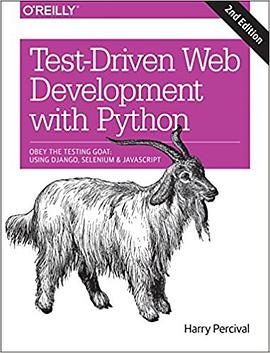
By taking you through the development of a real web application from beginning to end, the updated second edition of this hands-on guide demonstrates the practical advantages of test-driven development (TDD) with Python. You’ll learn how to write and run tests before building each part of your app, and then develop the minimum amount of code required to pass those tests. The result? Clean code that works.Author Harry J.W. Percival uses a concrete example—the development of a web site, from scratch—to teach TDD methodology and how it applies to web programming, from the basics of database integration and Javascript to more advanced topics such as mocking, Ajax, and REST APIs. It's ideal for relative newcomers and self-taught web developers looking to take their skills to the next level with a more structured approach.
作者简介
About the Author
After an idyllic childhood spent playing with BASIC on French 8-bitcomputers like the Thomson T-07 whose keys go "boop" when you press them, Harry went on to study Economics and Philosophy at Cambridge University. He then spent a few years being deeply unhappy as a management consultant. Soon he rediscovered his true geek nature, and was lucky enough to fall in with a bunch of XP fanatics, working on the pioneering but sadly defunct Resolver One spreadsheet. He now works at PythonAnywhere LLP, and spreads the gospel of TDD world-wide at talks, workshops and conferences, with all the passion and enthusiasm of a recent convert.
Read more
目录信息
Why I Wrote a Book About Test-Driven Development
Aims of This Book
Outline
Conventions Used in This Book
Submitting Errata
Using Code Examples
O’Reilly Safari
Contacting O’Reilly
Prerequisites and Assumptions
Python 3 and Programming
How HTML Works
Django
JavaScript
Required Software Installations
Setting Up Your Virtualenv
Companion Video
Acknowledgments
I. The Basics of TDD and Django
1. Getting Django Set Up Using a Functional Test
Obey the Testing Goat! Do Nothing Until You Have a Test
Getting Django Up and Running
Starting a Git Repository
2. Extending Our Functional Test Using the unittest Module
Using a Functional Test to Scope Out a Minimum Viable App
The Python Standard Library’s unittest Module
Commit
3. Testing a Simple Home Page with Unit Tests
Our First Django App, and Our First Unit Test
Unit Tests, and How They Differ from Functional Tests
Unit Testing in Django
Django’s MVC, URLs, and View Functions
At Last! We Actually Write Some Application Code!
urls.py
Unit Testing a View
4. What Are We Doing with All These Tests? (And, Refactoring)
Programming Is Like Pulling a Bucket of Water Up from a Well
Using Selenium to Test User Interactions
The “Don’t Test Constants” Rule, and Templates to the Rescue
Refactoring to Use a Template
The Django Test Client
On Refactoring
A Little More of Our Front Page
Recap: The TDD Process
5. Saving User Input: Testing the Database
Wiring Up Our Form to Send a POST Request
Processing a POST Request on the Server
Passing Python Variables to Be Rendered in the Template
Three Strikes and Refactor
The Django ORM and Our First Model
Saving the POST to the Database
Redirect After a POST
Rendering Items in the Template
Creating Our Production Database with migrate
Recap
6. Improving Functional Tests: Ensuring Isolation and Removing Voodoo Sleeps
Ensuring Test Isolation in Functional Tests
Aside: Upgrading Selenium and Geckodriver
On Implicit and Explicit Waits, and Voodoo time.sleeps
7. Working Incrementally
Small Design When Necessary
Implementing the New Design Incrementally Using TDD
Ensuring We Have a Regression Test
Iterating Towards the New Design
Taking a First, Self-Contained Step: One New URL
Green? Refactor
Another Small Step: A Separate Template for Viewing Lists
A Third Small Step: A URL for Adding List Items
Biting the Bullet: Adjusting Our Models
Each List Should Have Its Own URL
The Functional Tests Detect Another Regression
One More View to Handle Adding Items to an Existing List
A Final Refactor Using URL includes
II. Web Development Sine Qua Nons
8. Prettification: Layout and Styling, and What to Test About It
What to Functionally Test About Layout and Style
Prettification: Using a CSS Framework
Django Template Inheritance
Integrating Bootstrap
Static Files in Django
Using Bootstrap Components to Improve the Look of the Site
Using Our Own CSS
What We Glossed Over: collectstatic and Other Static Directories
A Few Things That Didn’t Make It
9. Testing Deployment Using a Staging Site
TDD and the Danger Areas of Deployment
As Always, Start with a Test
Getting a Domain Name
Manually Provisioning a Server to Host Our Site
Deploying Our Code Manually
Adjusting the Database Location
Creating a Virtualenv Manually, and Using requirements.txt
Simple Nginx Configuration
Creating the Database with migrate
Success! Our Hack Deployment Works
10. Getting to a Production-Ready Deployment
Switching to Gunicorn
Getting Nginx to Serve Static Files
Switching to Using Unix Sockets
Switching DEBUG to False and Setting ALLOWED_HOSTS
Using Systemd to Make Sure Gunicorn Starts on Boot
Thinking About Automating
Saving Our Progress
11. Automating Deployment with Fabric
Breakdown of a Fabric Script for Our Deployment
Trying It Out
Deploying to Live
Nginx and Gunicorn Config Using sed
Git Tag the Release
Further Reading
12. Splitting Our Tests into Multiple Files, and a Generic Wait Helper
Start on a Validation FT: Preventing Blank Items
Skipping a Test
Splitting Functional Tests Out into Many Files
Running a Single Test File
A New Functional Test Tool: A Generic Explicit Wait Helper
Finishing Off the FT
Refactoring Unit Tests into Several Files
13. Validation at the Database Layer
Model-Layer Validation
Surfacing Model Validation Errors in the View
Django Pattern: Processing POST Requests in the Same View as Renders the Form
Refactor: Removing Hardcoded URLs
14. A Simple Form
Moving Validation Logic into a Form
Exploring the Forms API with a Unit Test
Switching to a Django ModelForm
Testing and Customising Form Validation
Using the Form in Our Views
Using the Form in a View That Takes POST Requests
Using the Form in the Other View
A Pat on the Back
But Have We Wasted a Lot of Time?
Using the Form’s Own Save Method
15. More Advanced Forms
Another FT for Duplicate Items
Preventing Duplicates at the Model Layer
A Little Digression on Queryset Ordering and String Representations
Rewriting the Old Model Test
Some Integrity Errors Do Show Up on Save
Experimenting with Duplicate Item Validation at the Views Layer
A More Complex Form to Handle Uniqueness Validation
Using the Existing List Item Form in the List View
Wrapping Up: What We’ve Learned About Testing Django
16. Dipping Our Toes, Very Tentatively, into JavaScript
Starting with an FT
Setting Up a Basic JavaScript Test Runner
Using jQuery and the Fixtures Div
Building a JavaScript Unit Test for Our Desired Functionality
Fixtures, Execution Order, and Global State: Key Challenges of JS Testing
Columbo Says: Onload Boilerplate and Namespacing
JavaScript Testing in the TDD Cycle
A Few Things That Didn’t Make It
17. Deploying Our New Code
III. More Advanced Topics in Testing
18. User Authentication, Spiking, and De-Spiking
Passwordless Auth
Exploratory Coding, aka “Spiking”
Starting a Branch for the Spike
Frontend Log in UI
Sending Emails from Django
Using Environment Variables to Avoid Secrets in Source Code
Storing Tokens in the Database
Custom Authentication Models
Finishing the Custom Django Auth
De-spiking
A Minimal Custom User Model
A Token Model to Link Emails with a Unique ID
19. Using Mocks to Test External Dependencies or Reduce Duplication
Before We Start: Getting the Basic Plumbing In
Mocking Manually, aka Monkeypatching
The Python Mock Library
Using unittest.patch
Getting the FT a Little Further Along
Testing the Django Messages Framework
Adding Messages to Our HTML
Starting on the Login URL
Checking That We Send the User a Link with a Token
De-spiking Our Custom Authentication Backend
1 if = 1 More Test
The get_user Method
Using Our Auth Backend in the Login View
An Alternative Reason to Use Mocks: Reducing Duplication
The Moment of Truth: Will the FT Pass?
It Works in Theory! Does It Work in Practice?
Finishing Off Our FT, Testing Logout
20. Test Fixtures and a Decorator for Explicit Waits
Skipping the Login Process by Pre-creating a Session
Our Final Explicit Wait Helper: A Wait Decorator
21. Server-Side Debugging
The Proof Is in the Pudding: Using Staging to Catch Final Bugs
Setting Secret Environment Variables on the Server
Adapting Our FT to Be Able to Test Real Emails via POP3
Managing the Test Database on Staging
A Django Management Command to Create Sessions
Getting the FT to Run the Management Command on the Server
Using Fabric Directly from Python
Recap: Creating Sessions Locally Versus Staging
Baking In Our Logging Code
Wrap-Up
22. Finishing “My Lists”: Outside-In TDD
The Alternative: “Inside-Out”
Why Prefer “Outside-In”?
The FT for “My Lists”
The Outside Layer: Presentation and Templates
Moving Down One Layer to View Functions (the Controller)
Another Pass, Outside-In
The Next “Requirement” from the Views Layer: New Lists Should Record Owner
Moving Down to the Model Layer
23. Test Isolation, and “Listening to Your Tests”
Revisiting Our Decision Point: The Views Layer Depends on Unwritten Models Code
A First Attempt at Using Mocks for Isolation
Listen to Your Tests: Ugly Tests Signal a Need to Refactor
Rewriting Our Tests for the View to Be Fully Isolated
Keep the Old Integrated Test Suite Around as a Sanity Check
A New Test Suite with Full Isolation
Thinking in Terms of Collaborators
Moving Down to the Forms Layer
Finally, Moving Down to the Models Layer
The Moment of Truth (and the Risks of Mocking)
Thinking of Interactions Between Layers as “Contracts”
One More Test
Tidy Up: What to Keep from Our Integrated Test Suite
Conclusions: When to Write Isolated Versus Integrated Tests
24. Continuous Integration (CI)
Installing Jenkins
Configuring Jenkins
Setting Up Our Project
First Build!
Setting Up a Virtual Display So the FTs Can Run Headless
Taking Screenshots
If in Doubt, Try Bumping the Timeout!
Running Our QUnit JavaScript Tests in Jenkins with PhantomJS
More Things to Do with a CI Server
25. The Token Social Bit, the Page Pattern, and an Exercise for the Reader
An FT with Multiple Users, and addCleanup
The Page Pattern
Extend the FT to a Second User, and the “My Lists” Page
An Exercise for the Reader
26. Fast Tests, Slow Tests, and Hot Lava
Thesis: Unit Tests Are Superfast and Good Besides That
The Problems with “Pure” Unit Tests
Synthesis: What Do We Want from Our Tests, Anyway?
Architectural Solutions
Conclusion
Obey the Testing Goat!
A. PythonAnywhere
B. Django Class-Based Views
Class-Based Generic Views
The Home Page as a FormView
Using form_valid to Customise a CreateView
A More Complex View to Handle Both Viewing and Adding to a List
Compare Old and New
Best Practices for Unit Testing CBGVs?
C. Provisioning with Ansible
D. Testing Database Migrations
E. Behaviour-Driven Development (BDD)
What Is BDD?
Basic Housekeeping
Writing an FT as a “Feature” Using Gherkin Syntax
Coding the Step Functions
First Step Definition
setUp and tearDown Equivalents in environment.py
Another Run
Capturing Parameters in Steps
Comparing the Inline-Style FT
BDD Encourages Structured Test Code
The Page Pattern as an Alternative
BDD Might Be Less Expressive than Inline Comments
Will Nonprogrammers Write Tests?
Some Tentative Conclusions
F. Building a REST API: JSON, Ajax, and Mocking with JavaScript
Our Approach for This Appendix
Choosing Our Test Approach
Basic Piping
Actually Responding with Something
Adding POST
Testing the Client-Side Ajax with Sinon.js
Wiring It All Up in the Template to See If It Really Works
Implementing Ajax POST, Including the CSRF Token
Mocking in JavaScript
Data Validation: An Exercise for the Reader?
G. Django-Rest-Framework
Installation
Serializers (Well, ModelSerializers, Really)
Viewsets (Well, ModelViewsets, Really) and Routers
A Different URL for POST Item
Adapting the Client Side
What Django-Rest-Framework Gives You
H. Cheat Sheet
I. What to Do Next
J. Source Code Examples
Bibliography
Index
· · · · · · (收起)
读后感
"Test-Driven Development with Python" focuses on web development, with some coverage of JavaScript (inescapable for any web programmer). This book uses a concrete example - the development of a web site, from scratch - to teach the TDD metholology, and how ...
"Test-Driven Development with Python" focuses on web development, with some coverage of JavaScript (inescapable for any web programmer). This book uses a concrete example - the development of a web site, from scratch - to teach the TDD metholology, and how ...
"Test-Driven Development with Python" focuses on web development, with some coverage of JavaScript (inescapable for any web programmer). This book uses a concrete example - the development of a web site, from scratch - to teach the TDD metholology, and how ...
"Test-Driven Development with Python" focuses on web development, with some coverage of JavaScript (inescapable for any web programmer). This book uses a concrete example - the development of a web site, from scratch - to teach the TDD metholology, and how ...
"Test-Driven Development with Python" focuses on web development, with some coverage of JavaScript (inescapable for any web programmer). This book uses a concrete example - the development of a web site, from scratch - to teach the TDD metholology, and how ...
用户评价
**评价九** 这本书对我来说,不仅仅是一本技术书籍,更是一次思维的启蒙。我曾经深陷于“写完代码再测试”的泥潭,常常被各种棘手的bug困扰,并且在修改代码时心力交瘁。《Test-Driven Development with Python, 2nd Edition》的出现,为我指明了一条全新的方向。它以一种极其清晰、易懂的方式,阐述了“先写测试,再写代码”的开发理念。书中通过一个实际的Django项目,生动地展示了TDD如何在实际开发中发挥作用。我学会了如何从用户的角度出发,编写有意义的用户故事,然后将这些故事转化为可执行的测试用例。我看到了TDD如何帮助我提前发现设计中的缺陷,如何引导我写出更简洁、更易于理解的代码。这本书让我明白,测试不仅仅是为了验证功能,更是为了指导设计,为了保证代码的质量。通过学习这本书,我不仅提升了我的Python Web开发技能,更重要的是,我培养了一种更加积极、主动的开发心态。
**评价五** 在我看来,真正的学习不仅仅是吸收知识,更是能够将知识转化为实际行动。而《Test-Driven Development with Python, 2nd Edition》这本书,恰恰做到了这一点。它不仅仅是列出了一堆关于Python和TDD的理论,而是通过一个完整、生动的项目,带领我一步一步地实践。我非常喜欢书中关于如何从一个模糊的需求,逐步演化出一个健壮的Web应用的过程。作者在书中对于测试的设计,不仅仅是简单地验证功能是否正常,更是包含了对代码结构、对可维护性的深入思考。他演示了如何通过测试来驱动API的设计,如何通过测试来确保数据库的交互是可靠的,甚至是如何通过测试来模拟用户的行为。我曾经尝试过一些其他的TDD书籍,但往往因为例子过于简单或者过于理论化,让我难以将其应用到实际项目中。这本书则不同,它所构建的项目,虽然可能不是最复杂的,但却充满了真实世界的挑战。它让我看到了TDD在实际项目中的巨大价值,不仅仅是减少bug,更是提升了我对代码的掌控感,让我能够更加自信地进行开发。
**评价三** 说实话,我之前对“测试驱动开发”这个概念一直持有一种将信将疑的态度。总觉得花费大量时间编写测试,似乎是在“浪费”宝贵的开发时间,尤其是在项目进度紧张的时候。《Test-Driven Development with Python, 2nd Edition》这本书彻底颠覆了我的认知。作者以一种极其平实、接地气的方式,将TDD的理念融入到Python Web开发的方方面面。我最欣赏的是书中对于“为什么要做TDD”的深入剖析,它不仅仅是列举TDD的好处,而是通过一个个鲜活的例子,让我真切地感受到,最初多花一点时间编写测试,换来的是后期巨大的回报。书中关于如何构建一个实际的Web应用,从用户故事的编写,到测试的编写,再到代码的实现,整个过程都充满了智慧。我特别喜欢书中关于如何编写“好的”测试的讲解,它不仅仅是简单的断言,而是涉及到如何有效地模拟依赖、如何编写可读性强的测试代码、以及如何处理各种边界情况。当我按照书中的指导,一步步地构建我的项目时,我发现自己不再像以前那样,在开发过程中陷入各种无休止的调试和返工。相反,我能够更加从容地应对变化,更有信心地进行代码的修改和重构。这本书让我明白了,TDD并非是开发的“负担”,而是提升开发效率和代码质量的“加速器”。
**评价二** 作为一个在Python Web开发领域摸爬滚打多年的开发者,我深知一个稳定、可扩展的Web应用是多么重要。过去,我常常在开发过程中遇到各种各样的“惊喜”——那些在生产环境中才会暴露出来的bug,以及那些因为缺乏充分测试而变得难以重构的代码。这种状况让我倍感沮丧,也影响了我的开发信心。《Test-Driven Development with Python, 2nd Edition》这本书的出现,无疑是给我注入了一剂强心针。它不仅仅是一本技术书籍,更像是一次深刻的自我反思和技能升级。书中对于Python Web开发的讲解,尤其是围绕Django框架的实践,让我看到了TDD是如何能够从根本上改变我的开发方式。从最初的项目设置,到API的设计,再到前端的交互,每一个环节都通过详尽的测试用例来驱动。这种“先写测试,再写代码”的模式,让我不得不更加深入地思考每一个功能的具体需求,以及如何将其分解成可测试的单元。书中关于如何编写高质量测试的讲解,包括如何处理异步操作、如何模拟外部依赖、如何进行端到端测试等等,都给了我极大的启发。我开始意识到,测试不仅仅是为了发现bug,更是为了验证我的设计是否合理,代码是否易于理解。通过这本书的学习,我不再害怕重构,因为我有信心,只要测试通过,我的修改就不会破坏现有功能。这种安全感,极大地提升了我的开发效率和对代码质量的自信。
**评价十** 作为一名渴望不断提升自己技能的开发者,《Test-Driven Development with Python, 2nd Edition》这本书无疑是我近期的最大收获。它不仅仅是一本关于Python和Web开发的教材,更重要的是它深入浅出地阐释了“测试驱动开发”(TDD)的核心思想,并且将这种思想巧妙地融入到整个项目的开发流程中。我最欣赏的是书中那种“脚踏实地”的风格,它没有空洞的理论,而是通过一个完整的、具有实际意义的Web应用程序开发案例,一步步地带领读者实践TDD。从一开始的需求分析,到编写具体的测试用例,再到最终的代码实现,每一个环节都经过了作者的精心设计和详细讲解。我学会了如何编写更具鲁棒性的测试,如何处理各种复杂的场景,以及如何利用测试来驱动代码的演进和重构。这本书让我对“写测试”的看法发生了根本性的转变,它不再是开发过程中的负担,而是提升开发效率、保证代码质量、甚至促进个人成长的强大工具。
**评价六** 这本书给我最大的感受就是“条理清晰”和“循序渐进”。我一直觉得TDD听起来很厉害,但具体怎么做,总是有点迷迷糊糊。《Test-Driven Development with Python, 2nd Edition》这本书,就像一位经验丰富的向导,耐心地为我指点迷津。作者从最基础的Python环境搭建开始,一步步引入测试的概念,然后将这些概念应用到Web开发的各个层面。我尤其欣赏书中关于如何编写“好”的测试的讲解。它不仅仅是告诉我们“要写测试”,更是深入地分析了如何编写能够真正帮助我们设计和维护代码的测试。书中关于如何处理第三方库的依赖、如何编写模拟对象、如何进行集成测试等等,都给了我非常实用的指导。我曾经尝试过一些TDD的书籍,但往往在讲解过程中就戛然而止,让我不知道如何在实际项目中继续应用。而这本书,它不仅仅是教你“怎么做”,更是让你明白“为什么这么做”,并且能够将这些知识融会贯通,应用到自己的项目中。
**评价八** 《Test-Driven Development with Python, 2nd Edition》这本书,给我带来了前所未有的开发体验。作为一名Python开发者,我一直追求更优雅、更高效的编码方式。书中对测试驱动开发(TDD)的深入讲解,彻底改变了我对编程的看法。我曾尝试过许多关于Python的书籍,但很少有能像这本书一样,将理论与实践如此完美地结合。作者以一个完整的、现实世界的Web应用程序项目为例,一步步地演示了TDD的强大威力。从最初的用户故事和需求分析,到详细的测试用例编写,再到最终的代码实现,整个过程都充满了智慧和章法。我尤其欣赏书中对于如何编写“可维护的测试”的讲解,这让我意识到,测试本身也需要精心设计,才能真正发挥其价值。通过这本书的学习,我不仅掌握了Python Web开发的技巧,更重要的是,我培养了以测试为导向的开发思维,这让我能够写出更健壮、更易于扩展的代码,并且在开发过程中更加从容自信。
**评价七** 我一直认为,一个优秀的开发者,不仅仅是要掌握语言的语法和框架的API,更重要的是要具备良好的工程素养和开发习惯。《Test-Driven Development with Python, 2nd Edition》这本书,正是帮助我提升工程素养的一大利器。它不仅仅是关于Python Web开发的技术细节,更重要的是它强调了“测试驱动开发”(TDD)这一核心理念。在书中,我看到了TDD是如何能够帮助我构建出更清晰、更模块化的代码。我学会了如何通过编写测试来引导我的设计,如何通过测试来确保我的代码是可维护的。书中关于如何进行重构的讲解,也给了我极大的信心。我不再像以前那样,对重构感到恐惧,因为我知道,只要我的测试用例足够完善,我就可以大胆地进行修改,而不必担心会破坏现有功能。这本书让我明白了,TDD并非是额外的负担,而是提高开发效率和代码质量的必要手段。
**评价一** 我一直对“行为驱动开发”(BDD)这个概念颇感兴趣,但总觉得它在实际操作中有些抽象,难以落地。市面上相关的书籍虽然不少,但大多偏向理论阐述,真正能够带领我一步步实践,将BDD的理念融入日常开发流程的却少之又少。直到我偶然翻阅了《Test-Driven Development with Python, 2nd Edition》,才发现它犹如一座灯塔,照亮了我前进的道路。作者并非仅仅堆砌概念,而是以一种极其生动、循序渐进的方式,将BDD的核心思想——“先写测试,再写代码”——贯穿于整个项目的开发过程中。我尤其喜欢书中对测试驱动开发(TDD)的讲解,它不仅仅是简单的单元测试,而是将测试视为设计的一部分,促使我更深入地思考需求的本质,以及如何构建出更健壮、更易于维护的代码。书中大量的实例,从简单的Web框架搭建到复杂的数据库交互,都清晰地展示了TDD在实际项目中的应用,让我能够亲身体验到TDD带来的好处,例如更少的Bug、更清晰的代码结构以及更高的开发效率。我曾尝试过一些其他的TDD书籍,但往往因为理论性过强或者例子不够贴近实际,最终都浅尝辄止。这本书则不同,它更像是一位经验丰富的导师,耐心细致地引导我克服学习过程中的障碍,让我能够真正掌握TDD的精髓。它不仅仅是一本关于Python的书,更是一本关于如何优雅、高效地进行软件开发的指导手册。
**评价四** 当我第一次接触到《Test-Driven Development with Python, 2nd Edition》这本书时,我正面临着一个棘手的困境:我编写的代码越来越复杂,bug也越来越多,并且每次修改都让我提心吊胆,生怕会引发新的问题。《Test-Driven Development with Python, 2nd Edition》这本书就像是为我量身定制的解决方案。它并非仅仅是停留在理论层面,而是用一种非常务实的方式,将测试驱动开发(TDD)的思想贯穿于整个Python Web开发的流程中。我尤其赞赏作者在书中对于如何处理“遗留代码”的讲解。很多时候,我们并非从零开始,而是需要维护和改进现有的项目。书中提供的关于如何逐步引入测试,如何进行重构,以及如何识别代码中的“坏味道”的建议,对于我这种需要处理复杂项目的人来说,简直是及时雨。我学会了如何通过编写测试来理解旧代码,如何通过测试来驱动代码的改进,以及如何安全地进行大规模的重构。书中关于Django框架的深入讲解,结合TDD的实践,让我能够更好地理解框架的设计理念,并写出更符合框架最佳实践的代码。这本书不仅仅是关于TDD,更是关于如何成为一名更优秀的Python Web开发者。