
具体描述
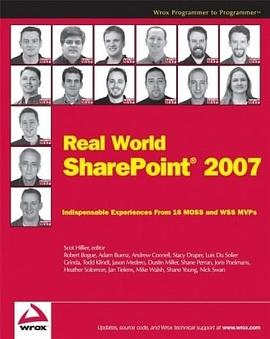
Microsoft recognizes key individuals who contribute significantly to the community of technologists through the Microsoft Most Valuable Professional (MVP) award. These individuals are active authors, speakers, bloggers, and innovators. They are also skilled network engineers, developers, trainers, designers, and architects. In the SharePoint community, these MVPs are recognized for their expertise in either Windows SharePoint Services (WSS) or Microsoft Office SharePoint Server (MOSS). This book represents the efforts of 16 MVPs in the SharePoint community to present core areas of SharePoint 2007 products and technologies seasoned with significant field experience. The idea behind the book is to lower the learning curve for the reader, while providing the insight necessary to avoid common missteps. This book is an extension of the work the authors have done in their own blogs, books, and presentations. This book is for the community of SharePoint professionals. That means that architects, designers, developers, administrators, and engineers all will find something useful in its pages. As a reader, you will want to focus on chapters that appeal to your areas of expertise directly. Some of the chapters, for example, assume a strong programming background, whereas others are centered on administration or maintenance. All readers should have some prior experience with SharePoint 2007 products and technologies to get the most out of this book, although the book does include an introductory chapter for those who are just getting started. The authors generally assume a working knowledge of SharePoint in an effort to focus the discussion on implementation and best practices. This book covers SharePoint 2007 products and technologies. Specifically, you will find topics relating to both WSS and MOSS. The topics were selected by SharePoint MVP and Editor Scot Hiller based on the authors’ capabilities to represent a cross-section of the most important areas within SharePoint. Although the chapters have been arranged in a logical order, they are intended to stand alone as independent articles. Specifically, here's what the book covers: Introduction to SharePoint by Mike Walsh: an overview of SharePoint Configuring Forms Based Authentication by Stacy Draper: different approaches to FBA, along with their strengths and weaknesses including some custom solutions to problems such as user and role management. Understanding SharePoint Administration by Todd Klindt: the basics (such as backup and recovery), more advanced topics (such as command-line utilities and tips), and techniques for managing site templates. Developing Publishing Sites the Smart and Structured Way by Andrew Connell: an alternative technique for developing Publishing sites within MOSS discusses development with the SharePoint Designer (SPD), but then challenges the conventional thinking with a new structured approach. Readers will learn new ways to ease the management and maintenance of Publishing sites. Using SharePoint Designer 2007 by Dustin Miller: This often-maligned tool can be a powerful part of your SharePoint toolkit. Customizing and Branding the SharePoint 2007 Interface by Shane Perran and Heather Solomon: One of the first tasks in any SharePoint project is branding the use interface. The reader will learn all of the different ways to customize the look and feel of SharePoint using master pages, style sheets, and graphics. Understanding Web Parts by Jan Tielens: walks the reader through the creation and deployment of Web Parts. Readers should have a strong C# programming background. Creating Workflows in WSS by Robert Bogue: Readers will learn how to create custom workflows and forms for deployment in WSS including many tips and tricks from actual field experience. Readers should have a strong C# programming background. Creating Workflow in SharePoint Server 2007 by Joris Poelmans: The big difference between WSS and MOSS workflows is the ability to use InfoPath forms. This has extensive coverage of InfoPath forms and how to use them with MOSS workflows. Using the Business Data Catalog by Nick Swan: The Business Data Catalog (BDC) is used to allow MOSS to access line-of-business databases. Includes tips to make the development process easier. Readers should be familiar with XML. Using Excel Services by Luis Du Solier Grinda: Excel Services is used to allow MOSS to present spreadsheet data to end users through a browser. This technology is a foundational element in the development of dashboards in the SharePoint Report Center. Securing SharePoint Communication by Adam Buenz: Readers will learn to implement Secure Sockets Layer (SSL), Kerberos security, and how to use the Microsoft Internet Security and Acceleration (ISA) Server. Using Information Rights Management by Jason Medero: setting up IRM and using it with SharePoint libraries to restrict document functionality (such as printing and attaching) so sensitive information does not leave an organization. Upgrading from SPS 2003 to MOSS 2007 Using the Gradual Method by Shane Young: One of the biggest trends in the SharePoint community is upgrading from SharePoint Portal Server 2003 (SPS 2003) to MOSS. This examines all of the different upgrade approaches, and then walks the reader through the gradual method for upgrading. Contains a wealth of field experience learned from performing many upgrades. This book is also available as part of the 4-book SharePoint 2007 Wrox Box (ISBN: 0470431946) with these 4 books: Professional SharePoint 2007 Development (ISBN: 0470117567) Real World SharePoint 2007 (ISBN: 0470168358) Professional Microsoft SharePoint 2007 Design (ISBN: 047028580X) Professional SharePoint 2007 Web Content Management Development (ISBN: 0470224754)
作者简介
目录信息
读后感
用户评价
总的来说,这本书更像是一位经验丰富的老工程师在跟你分享他的“踩坑录”和“独门秘籍”,而不是一本标准的教科书。它的代码示例和截图可能已经过时了,界面元素也找不到一模一样的了,但它所传达的“思维方式”却历久弥新。我欣赏作者在处理性能问题时的那种务实态度,比如他建议在数据访问层使用缓存机制来规避频繁的数据库调用,以及如何合理地使用Blob存储而不是把所有大文件都塞进SQL Server里,这些都是跨版本依然适用的架构原则。这本书没有提供任何关于SharePoint Online的只言片语,它的全部智慧都凝聚在如何把一个相对笨重的本地部署系统,榨干出最后的性能潜力。对于任何想要深入理解企业级文档管理系统底层逻辑,并对平台限制有清醒认识的IT专业人士来说,这本书提供的历史视角和底层逻辑框架,依然具有相当高的研究价值,它让你明白,今天的便利不是凭空出现的,而是前辈们用无数次失败换来的经验总结。
读完前三分之一的部分,我最大的感受是,作者对用户体验(UX)的吐槽简直是太到位了。SharePoint 2007的界面,说实话,现在看来简直是灾难,那个Ribbon界面还没完全成熟,很多操作都需要在后台的“站点设置”里七拐八拐才能找到。这本书并没有回避这一点,反而用一整个章节专门讨论了如何通过自定义主视图(Master Pages)和XSLT列表视图美化(XSLT List View Web Part customization)来“拯救”用户。我当时正为一个大型法律事务所部署文档管理系统,他们的律师对默认的“文档库”视图完全无法接受,太丑了,而且分类筛选功能简直形同虚设。我就是照着书里那个关于如何使用CAML查询(Collaborative Application Markup Language)来构建复杂筛选器的例子,硬生生地把一个丑陋的默认列表变成了一个功能强大、支持多维度过滤的专业档案界面。书中对Web Part连接和数据源的讲解非常细致,特别是关于如何将自定义的Web Part与User Profile Service进行数据绑定时,遇到的那些异步加载和序列化问题,作者提供的临时解决方案虽然笨拙,但在那个框架下确实是唯一的出路。这本书的实战性,体现在它教你如何“修补”一个有明显设计缺陷的平台,而不是幻想它完美无瑕。
我对这本书的爱恨交织,主要集中在它对WCM(Web Content Management)模块的深入剖析上。2007版本试图用Portal Server的概念来构建企业门户,但在实际操作中,Site Templates和Publishing Features的配置复杂程度,几乎让所有市场部的同事望而却步。书中有一部分内容是关于自定义页面布局(Page Layouts)和内容发布流程(Publishing Workflow)的。作者非常坦诚地指出,如果你想做复杂的、多语言的、带有版本控制的内容发布,你必须掌握FrontPage/SharePoint Designer,并且要对ASP.NET Web Forms有基础认知。我记得我花了好几天时间,就是根据书中那个“基于URL参数切换内容源”的例子,成功地为公司总部和海外分公司设计了两个不同的首页布局,虽然布局的切换逻辑现在看来非常老套,但在当时,这已经是前沿的技术实现了。书中对Managed Metadata Service (MMS) 的介绍也很有帮助,它没有把它仅仅当成一个标签工具,而是把它看作是未来信息架构的关键,强调了术语集的标准化在构建可搜索内容体系中的核心地位。
这本书的后续章节,特别是关于安全和合规性的部分,简直是为我后来的职业生涯打下了坚实的基础。在2007那个对数据安全日益敏感的年代,SharePoint的权限继承模型常常让人抓狂。一个站点下,一个子文件夹继承了父文件夹的权限,但你只想给某几个人修改权限,却发现无论怎么操作,权限都会莫名其妙地扩散出去。这本书用了一个非常形象的比喻——“权限的滴漏效应”——来解释权限模型的工作原理。它详细演示了如何使用PowerShell脚本(那时候PowerShell还不是那么普及)来批量检查并重置特定层级的权限,这比在图形界面里手动点击一千次要高效得多。更重要的是,它讨论了审计日志的配置和导出。对于金融行业的客户来说,追踪谁在什么时候访问了哪些文档至关重要。书中没有简单地说“开启审计”,而是深入讲解了审计数据库的性能影响,以及如何定期将审计日志从SQL Server导出到独立的、成本更低的存档数据库中进行长期保留,这直接关系到整个系统的运行效率和存储成本控制。这种宏观的、面向运营的视角,是技术文档中极为罕见的。
这本书的封面设计得相当有年代感了,那种深蓝色配着略显复杂的图标,一下子就把你拉回了那个SharePoint 2007的黄金时代。我当时买这本书,主要是冲着它名字里那个“Real World”去的,想着终于能找到一本不是只会照搬微软MSDN文档的实战指南了。翻开前几页,作者的开场白确实没让人失望,他非常坦诚地承认了2007版本在企业部署中遇到的那些经典难题——比如权限继承的“幽灵”问题,内容类型(Content Types)定义起来有多么反人类,以及WSS 3.0在面对数百万文档时的性能瓶颈。我记得第一部分主要聚焦于架构规划,他用了大量的篇幅来论述“为什么你不应该把所有站点集合放在同一个内容数据库里”,这个观点在当时很多初级顾问那里都是禁忌,因为他们总想走最简单的捷径。书中详细对比了MOSS(Microsoft Office SharePoint Server)和WSS(Windows SharePoint Services)在功能上的细微差别,尤其强调了MOSS的商业智能(BI)组件如何与Excel Services深度集成,那种手把手教你配置Kerberos认证以实现单点登录的章节,简直是救命稻草,因为当时的域控和SharePoint之间的信任关系配置,简直是一门玄学。这本书的价值在于,它没有停留在“如何点击按钮”,而是深入到了“为什么这样点击才能让系统稳定运行十年以上”的层面。那种对旧版系统底层机制的深刻理解,是现在许多基于云端的新教程里完全看不到的深度。