
具体描述
Product Description:
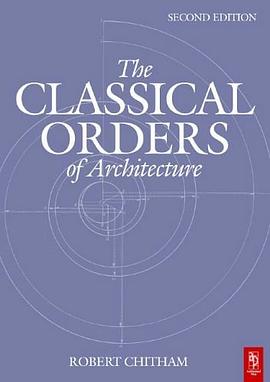
This is the only publication that presents a modern interpretation of the Classical Orders. The new edition of this successful title now includes the proportions in both metric and imperial measurements to make the orders more accessible and to provide a valuable reference for designers.
The inclusion of both 100-part and 96-part systems of proportion is underpinned by an essay on James Gibbs - one of the 18th century authors of standardized proportioning systems - and his influence in America. Along with additional plates, this book gives a
clear introduction to those not familiar with the classical genre and is an easy to follow guide which assists architects, interior designers and conservators with the quality of their design.
1. The only detailed contemporary guide to the classical orders available
2. Presents the proportioning system in both metric and imperial for ease of understanding
3. An easily accessible introduction to the subject
--------------------------------------------------------------------------------
Summary: The book title says it all...
Rating: 5
An excellent source of information - in richly illustrated detail - of the Greek and Roman orders of architecture, including not just the columns, plinth and pediments, but complete building facades, plans and how the porportions of the order relate to these elements as well. In addition, the author includes examples by famous architects or of famous buildings showing how the order was interpreted in the past. The only omission - an intentional one, I am sure - is that orders of other cultures were not included.
Summary: GET IT BACK IN PRINT!!!
Rating: 5
Whatever your view as an Architect, Classical Architecture is still around, and being built. With fewer Architects being knowledgeable of the orders of architecture, this book provides the essential information needed to provide an understanding of Classical Architecture. This book is not just a plate by plate description of built or unbuilt classical architecture, but a raw, down to the bone instruction manual of how to construct in minutest detail the five orders. WHEN it is back in print, this book will be an essential purchase for Architects and Offices alike. With very few Architects now having an understanding of Classical Architecture, you could be at an advantage. I would also suggest that when you get a copy, to actually draw the orders...its well worth it.
作者简介
目录信息
读后感
用户评价
对于任何一个对建筑艺术怀有好奇之心的人来说,《The Classical Orders of Architecture, Second Edition》都是一本不可或缺的读物。它不仅提供了扎实的专业知识,更重要的是,它点燃了我对建筑的热情,让我能够以一种更具深度和广度的视角去欣赏和理解身边的建筑。这本书的价值,绝不仅仅在于它所包含的信息量,更在于它所能激发出的思考和启发。我迫不及待地想将这本书推荐给所有同样热爱建筑的朋友们。
坦白说,在阅读《The Classical Orders of Architecture, Second Edition》之前,我对古典柱式的认知主要停留在书本上的几个简单图示。但这本书完全颠覆了我的理解。作者用一种近乎考古学家的严谨态度,挖掘出了每一个柱式背后隐藏的故事。例如,书中对于爱奥尼柱式中卷涡装饰的起源和演变,以及其在不同文化中的变体,都进行了详尽的考证。这种对细节的极致追求,让我对接下来的阅读充满了期待,也让我更加敬佩作者的学识和功底。
对于那些对建筑细节有着严苛要求的专业人士,或者像我一样,希望能够更深入地理解建筑美学的爱好者,《The Classical Orders of Architecture, Second Edition》都提供了无可替代的价值。书中对于各个古典柱式的比例、模块划分、檐口、柱头、柱础等细节的精确描绘,是其他许多入门读物所无法比拟的。作者不仅仅是呈现了“是什么”,更进一步地探讨了“为什么”——为什么在那个特定的历史时期,会出现这样的柱式?它们是如何与当时的社会、宗教、哲学思想相契合的?这种深入的探究,使得我们不再仅仅是“看”建筑,而是开始“理解”建筑,感知其背后的智慧和匠心。
阅读《The Classical Orders of Architecture, Second Edition》的过程,就像是在进行一场穿越时空的建筑之旅。我跟随作者的笔触,从古希腊的雅典,到古罗马的罗马城,再到文艺复兴时期的佛罗伦萨,一步步地探索着古典建筑的足迹。每一个章节都充满了引人入胜的故事和深刻的见解,让我对这些历史悠久的建筑风格有了全新的认识。这本书无疑为我打开了一扇通往建筑世界的大门。
我特别欣赏这本书在提供理论知识的同时,也注重实际应用的指导。书中大量的案例研究,从古代的帕特农神庙、万神庙,到文艺复兴时期的佛罗伦萨大教堂,再到更近代的建筑作品,都清晰地展示了古典柱式是如何被运用、演变和再创造的。这些案例不仅仅是图片的堆砌,更是对每一个柱式在具体建筑语境下的解读,包括其功能性、象征意义以及与整体建筑风格的协调性。这让我深刻认识到,古典柱式并非僵化的形式,而是一种充满活力的设计语言,可以在不同的时代焕发出新的生命。
《The Classical Orders of Architecture, Second Edition》给我最大的启发在于,它让我看到了建筑设计中“传统”与“创新”之间的辩证关系。作者并没有鼓吹守旧,而是通过对古典柱式历史演变的梳理,展示了设计师如何在继承和尊重传统的基础上,进行富有创造力的革新。每一个新的柱式变体,每一个在当代建筑中的巧妙运用,都证明了古典风格强大的生命力和适应性。这本书让我意识到,对经典的理解,是走向创新的重要基石。
作为一名非专业读者,我常常在阅读专业书籍时感到晦涩难懂,但《The Classical Orders of Architecture, Second Edition》在这方面做得非常出色。作者在保持学术严谨性的同时,运用了大量生动形象的比喻和通俗易懂的语言,将复杂的建筑理论转化成了易于理解的知识。我尤其喜欢书中对于“比例”的讲解,作者没有生硬地罗列公式,而是通过类比和图示,让我直观地感受到黄金分割、三等分等原则在古典建筑中的应用,从而理解为何这些柱式能给人以和谐、稳定的美感。
这本书的插图质量之高,是我在同类书籍中罕见的。每一幅插图都经过精心挑选和绘制,无论是宏伟的建筑剖面图,还是精细的柱式局部放大图,都清晰锐利,细节丰富。这些插图不仅仅是对文字内容的补充,更是对建筑美学的直观呈现。我常常会花很长时间去欣赏那些图中的线条、光影和肌理,仿佛能从中感受到石材的冰凉和岁月的痕迹。这对于任何一位热爱视觉艺术的人来说,都是一场视觉盛宴。
这本书的出版,对于我这样一位热衷于建筑历史,尤其是古典建筑风格的读者来说,无疑是一份厚礼。第一眼翻开《The Classical Orders of Architecture, Second Edition》,就被其精美的排版和清晰的插图所吸引。作者在介绍每一个古典柱式时,不仅仅是简单地罗列出它们的构成元素和比例,更是深入浅出地阐述了每个柱式的历史渊源、文化背景以及在不同时期和地域的发展演变。例如,在讲解多立克柱式时,书中详细地描绘了它在古希腊神庙中的庄重与力量感,以及在罗马建筑中如何被赋予新的生命力,变得更加宏伟。而离子柱式的优雅和科林斯柱式的华丽,则通过生动的图例和细致的文字描述,让我仿佛置身于古老的文明之中,亲身感受那些伟大建筑所散发出的艺术魅力。
这本书的深度和广度都超出了我的预期。它不仅仅是一本关于古典柱式的“入门”读物,更是一部关于建筑美学、历史文化以及设计哲学的“百科全书”。作者在阐述每一个柱式时,都会联系到当时的社会思潮、哲学观念甚至宗教信仰,让我深刻地认识到建筑是如何在特定的文化语境下孕育而生的。这种跨学科的视角,让我在欣赏建筑之美的同时,也获得了更深层次的思考。