
具体描述
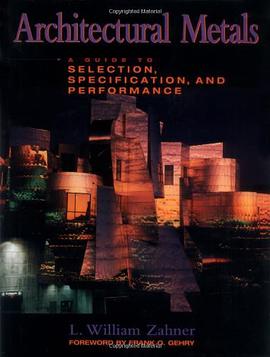
The historic breakthroughs in the science of metallurgy over the last quarter century have produced an array of new metallic building materials. Architects and designers now have a far broader palette of metals to choose from than at any other time in history, and metal is fast becoming the star building material featured in some of today's most exciting new building projects. A book whose time has come, Archi-tectural Metals is the first comprehensive guide to the metals and metallic finishes currently available for use in architecture. Learn from a fourth-generation expert in the field who has, over the past fifteen years, consulted on some of the world's most prestigious building projects. Architectural Metals demystifies metals for architects, artisans, and design professionals providing them with a logical framework for the selection and use of the correct material for the job at hand. Encyclopedic in scope, Architectural Metals is an extremely user-friendly working resource supplying readers with instant access to a wealth of essential information about the forms and behaviors of metallic building materials. From aluminum, stainless steel, copper, lead, and zinc to new metals and finishes such as titanium, pewter-coated copper, and colored stainless steel, it describes everything architects, engineers, and design professionals need to know about all the common and many uncommon metals at their disposal. Each chapter of Architectural Metals is devoted to a specific type of metal, metallic finish, or coating. Each includes a historical overview, environmental concerns, an exhaustive description of available forms and (where appropriate) colors, performance evaluations, finishes, weathering and corrosion characteristics, maintenance and restoration techniques, fastening, welding, and joining methods, and more. And since each metal-producing industry has its own unique jargon and systems of measurement, the author takes pains throughout to define relevant terms and translate measurement and thickness indices into familiar inch and millimeter scales. Destined to become a standard in the field, Architectural Metals is an indispensable tool for architects, designers, and artisans who work with metals. "Metalis the material of our time. It enables architecture to become sculpture; it also expresses technological possibility as well as the time-honored characteristics of quality and permanence." --From Frank O. Gehry's foreword to Architectural Metals Written by one of the leading experts on architectural metals, this is the first comprehensive guide to the metals and metallic finishes and coatings available for use in architectural construction. Growing out of its author's experiences helping architects realize some of the most exciting designs of the past twenty years, Architectural Metals: Demystifies metals for architects and design professionals Supplies a logical framework for selecting the best materials for the job at hand Provides instant access to everything architects and designers need to
作者简介
目录信息
读后感
用户评价
这本书的排版和插图质量,只能用“匠心独运”来形容。我尤其喜欢它在关键概念解释时所采用的那些手绘透视图,那些线条的精确度和对光影的捕捉,简直可以单独拿出来作为艺术品欣赏。那些关于复杂榫卯结构和定制化模具的展示,清晰地揭示了过去工匠们是如何用纯粹的技艺去对抗材料的局限性。我总觉得,好的技术书籍,其设计本身就应该体现出所讨论对象的精妙。这本书在这方面做得非常成功,它没有被现代批量印刷的平庸所淹没,反而散发出一种对工艺的尊重。唯一让我略感遗憾的是,某些章节中引用的古代文献资料的注释略显简洁,如果能提供更详尽的索引或参考书目,对于希望深入挖掘特定历史背景的研究者会更加友好。即便如此,仅凭其视觉呈现的专业性和美感,它也完全值回票价,每次拿起它,都像是在博物馆里翻阅珍贵的图集。
坦白说,这本书的学术深度远超我的预期,它更像是一部集大成者的研究报告,而非一本轻松的入门读物。我尝试用它来指导一些近期的设计实践,却发现它更侧重于对历史案例的解构和理论框架的构建,对于当代快速迭代的复合材料和新型表面处理技术着墨不多。这并非是缺点,只是定位上的差异。它迫使我跳脱出“如何快速实现”的思维定式,转而思考“为什么是这样实现”。书中对材料的物理特性,如延展性、耐腐蚀性以及其在特定气候条件下的长期表现,进行了近乎苛刻的分析。对于任何一个严肃的建筑历史学家或者需要进行老建筑修复的工程师来说,这无疑是一部不可或缺的案头宝典。那些关于应力分布和节点连接的几何学论证,需要读者具备一定的工程基础才能完全领会其精髓,初学者可能会感到吃力,但一旦跨过那道门槛,收获的知识广度和深度是惊人的,它建立了一个坚实的基础,让你能真正“听懂”金属在结构中发出的声音。
从一个纯粹爱好者的角度来看,这本书的叙事节奏把握得恰到好处,它有效地避免了陷入纯粹的技术手册的泥潭。作者擅长在讲述冷硬的材料性能数据时,穿插一些极富人情味的轶事或历史小故事。比如,关于某个特定合金配方的失传与重现,或是某位著名建筑师与金属供应商之间的博弈过程,这些细节极大地增强了阅读的代入感和趣味性。我发现自己不仅仅是在学习知识,更像是在参与一场关于人类智慧与材料抗争的历史对谈。虽然其中不乏一些关于标准规范的描述,但这些内容被巧妙地整合在宏大的历史脉络中,使得即便是对规范不甚敏感的读者也能理解其重要性。总而言之,这是一部充满温度的学术著作,它用严谨的科学态度,歌颂了人类文明史上那些沉默而坚韧的金属构件,是值得反复品味和收藏的佳作。
读完此书,我最大的感受是——敬畏。它没有过多渲染现代科技的便捷,而是将焦点聚集在那些历经数百年风霜依然屹立不倒的建筑之上。作者似乎在用一种近乎哲学的角度探讨金属与时间的关系。金属的氧化、锈蚀、磨损,这些本应是“衰败”的象征,在书中却被赋予了时间沉淀的美感。书中对拜占庭时期的穹顶连接件和哥特式教堂尖顶的金属加固件的分析尤为精彩,它揭示了当时工匠们如何通过对金属的精确预应力处理,来确保这些宏伟结构在漫长岁月中的动态平衡。这种对“永恒性”的追求,深深触动了我。这本书不是教你如何快速建造一座房子,而是教你如何思考一座建筑的“生命周期”——从选材、加工、安装到最终与环境的共存,每一个环节都蕴含着对后代的责任。它提升了阅读者对建筑材料的认知层次,从“材料”上升到了“媒介”的高度。
这本书的装帧设计真是让人眼前一亮,厚重却又不失精致的封面,那种微微带着纹理的触感,仿佛预示着里面内容的深度与广度。我初次翻阅时,就被它那种严谨而又充满历史感的叙事方式所吸引。它似乎不仅仅是在罗列技术细节,更像是在带领读者进行一场穿越时空的旅程,去探寻那些古老建筑中金属构件的演变轨迹。从早期的青铜铸造到文艺复兴时期复杂的锻铁工艺,再到工业革命后批量生产的钢材应用,作者以极其细腻的笔触描绘了材料科学与建筑美学是如何相互交织、共同塑造了我们今天所见的城市天际线。尤其让我印象深刻的是,书中对不同地域、不同文化背景下金属在建筑中应用的对比分析,那种跨文化的视角极大地拓宽了我对“建筑金属”这一概念的理解,它绝非仅限于结构支撑,更是身份、权力和信仰的无声表达。阅读过程中,我常常需要停下来,细细揣摩那些配图中的细节,图文并茂的呈现方式,使得原本枯燥的工程学知识变得生动而富有情趣。