
具体描述
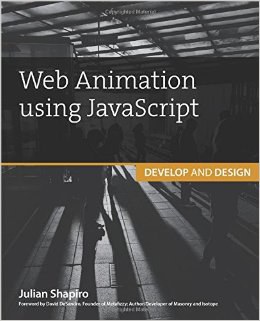
We’ve come a long way since the days of flashing banner ads and scrolling news tickers. Today, the stunning motion design of iOS and Android dramatically improves a user’s experience – instead of detracting from it. The best sites and apps of today leverage animation to improve the feel and intuitiveness of their interfaces. Sites without animation are starting to feel antiquated.
This book provides you with a technical foundation to implement animation in a way that’s both visually stunning and programmatically maintainable. Throughout, we consider the balance between enriching a page with motion design while avoiding unnecessary flourishes
Readers will learn how to design loading sequences that ensure users stay fully engaged instead of tuning out, how to leverage simple physics principles to make apps respond naturally to users’ input (just like motion behaves in the real world), how to exploit CSS transforms to create rich depth in animations, and how to fully leverage JavaScript animation libraries like Velocity.js to streamline animation programming. From animation performance to theory, we cover everything needed to become a professional web animator. Whether you're a novice or professional web developer, this book is for everyone.
Why is all of this so important? Why is it worth your time to become a professional motion designer? For the same reason that designers spend hours perfecting their pages’ font and color combinations, motion designers perfect their animations’ transition and easing combinations: Refined products feel superior. They leave users whispering to themselves, “Wow, this is cool”, right before they turn to a friend and exclaim, “You gotta try this.”
作者简介
Julian Shapiro is a startup founder and a developer. His first startup, NameLayer, was acquired by Techstars. His current focus is advancing motion design on the web, and to that end he created the JavaScript library Velocity.js, which is rapidly becoming one of the most popular animation libraries on the web. It is one of the most starred projects on GitHub and is depended on by many top sites, including Tumblr and WhatsApp. He was also awarded Stripe's Open Source Grant for his development on Velocity. Follow him for tweets on UI animation: @Shapiro. He currently lives in San Francisco.
目录信息
读后感
用户评价
书中对不同技术路线的比较分析非常客观和公正,这一点我很欣赏。例如,当涉及到跨平台解决方案时,作者并没有偏袒任何一方,而是将原生DOM操作、SVG动画以及新兴的WebGPU方向的潜力做了详尽的对比。这种“不带偏见”的叙述方式,让读者能够根据自己的项目需求和技术栈倾向,做出最明智的选择。我特别喜欢它在讲解不同动画库的原理时所采用的解构方法,它没有仅仅停留在告诉你“这个库怎么用”,而是追溯到“这个库为什么能做到这一点”,这种探究精神极大地拓宽了我的技术视野。这种成熟、全面的技术讨论,让这本书脱离了普通教程的范畴,更像是一本深入的技术参考手册。
作者的叙事风格非常引人入胜,读起来一点也不觉得枯燥乏味,更像是在听一位经验丰富的前辈娓娓道来他的职业心得。语言平实而富有洞察力,没有过多的行话堆砌,即使是相对晦涩的概念,也能被他用生动形象的比喻解释清楚。我感觉这本书的价值远超技术本身,它传递了一种对细节的极致追求和对用户体验的深刻同理心。在某些章节,我甚至能感受到作者在描述一个完美动画效果时的那种兴奋和自豪感,这种热情极大地感染了我,让我重新审视了自己在日常开发中对于“动效”处理的敷衍态度。这不仅仅是一本教你写代码的书,更像是一本培养你对“运动设计思维”的启蒙之作。
这本书的装帧设计和排版简直是一场视觉盛宴,拿在手里就让人爱不释手。封面那种低饱和度的色彩搭配,以及内页的留白处理,都透着一股高级感。我尤其欣赏它对字体选择的考究,主标题的衬线体与正文的无衬线体搭配得恰到好处,阅读起来非常舒适,长时间盯着屏幕的眼睛得到了极大的放松。更不用说那些彩色的插图和代码示例,不仅清晰地展示了关键概念,而且本身的艺术感也很强,让人在学习技术的同时也享受到了美学上的愉悦。我感觉作者在设计这本书的时候,真的花了很多心思去思考读者的阅读体验,不仅仅是知识的传递,更像是一次精心策划的视觉之旅。很多技术书籍往往内容充实但形式枯燥,但这本完全没有这个问题,它成功地将复杂的编程概念视觉化、艺术化,极大地提升了学习的动力。
坦白说,我对这本书的深度和广度感到非常惊讶。原以为它会局限于讲解一些基础的API调用,但实际上,它深入挖掘了动画背后的底层原理,比如浏览器渲染流程对性能的影响,以及如何利用现代Web标准实现高性能、流畅的交互效果。作者对性能优化的讲解尤为独到,不像其他书那样只是简单地罗列“要注意帧率”,而是结合具体的代码案例,细致地剖析了重绘和重排的陷阱,并提供了实用的缓存策略和异步加载技巧。阅读完关于时间轴控制和缓动函数定制的那几章后,我感觉自己对“动画”的理解从“让东西动起来”提升到了“精确控制运动的物理感和情感表达”的层次。这对于任何想在专业领域有所建树的前端工程师来说,都是极其宝贵的知识财富。
这本书的实践导向性做得极其出色。它没有沉溺于抽象的理论,而是紧密围绕着实际项目中的痛点来组织内容。从最初的“如何制作一个吸引人的加载指示器”,到最后“如何构建一个响应用户手势的复杂界面转场”,每一步都有清晰的、可复现的步骤和代码。我特别喜欢书中穿插的“项目挑战”环节,这些小任务迫使我跳出舒适区,尝试将学到的知识点组合应用。此外,代码示例的组织也很有条理,它们通常会先给出一个基础版本,然后逐步迭代加入优化和高级特性,这种渐进式的学习路径非常适合自学者,能够有效避免一开始就被大量代码淹没的挫败感。