
具体描述
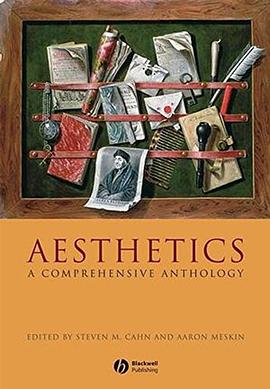
From Plato's Ion to works by contemporary philosophers, this anthology showcases classic texts to illuminate the development of philosophical thought about art and the aesthetic. This volume is the most comprehensive collection of readings on aesthetics and the philosophy of art currently available.
Brings together the most significant writings in aesthetics and philosophy of art from the past 2500 years
Each section includes a useful introductory essay which provides an overview of developments in the field
Broken down into three sections: Historical Sources, Modern Theories, and Contemporary Aesthetics and Philosophy of Art
Thorough, systematic, and flexible, including two alternative tables of contents (historical and topical); an ideal textbook and guide to the field
作者简介
目录信息
Edited by Cahn and Meskin.
Preface.
Part I: Historical Sources.
1. The Modern System of the Arts: Paul Oskar Kristeller.
2. Ion: Plato.
3. The Republic: Plato.
4. Symposium: Plato.
5. Poetics: Aristotle.
6. Ennead I, vi: Plotinus.
7. Of Music: St. Augustine.
8. On the Reduction of the Arts to Theology: St. Bonaventure.
9. Characteristics of Men, Manners, Opinions, Times: Third Earl of Shaftesbury.
10. Inquiry into the Origins of our Ideas of Beauty and Virtue: Francis Hutcheson.
11. Of the Standard of Taste: David Hume.
12. Philosophical Inquiry into the Origin of our Ideas on the Sublime and the Beautiful: Sir Edmund Burke.
13. Laocoon: Gotthold Lesing.
14. Critique of Judgment: Immanuel Kant.
Part II: Modern Theories.
15. Introduction to Modern Theories: Christopher Janaway.
16. Letter of an Aesthetic Education of Man: Friedrich Schiller.
17. Philosophy of Art: Friedrich J.W. Schelling.
18. The Philosophy of Fine Art: Georg W.F. Hegel.
19. The World as Will and Representation: Arthur Schopenhauer.
20. The Beautiful in Music: Eduard Hanslick.
21. The Birth of Tragedy: Friedrich Nietzsche.
22. What is Art?: Leo Tolstoy.
23. Psychical Distance as a Factor in Art and as an Aesthetic Principle: Edward Bullough.
24. Art: Clive Bell.
25. Aesthetics: Benedetto Croce.
26. The Principles of Art: R.G. Collingwood.
27. Art as Experience: John Dewey.
28. Feeling and Form: Susanne Langer.
29. The Work of Art in the Age of Mechanical Reproduction: Walter Benjamin.
30. The Origin of the Work of Art: Martin Heidegger.
31. Aesthetic Theory: Theodor Adorno.
32. Truth and Method: Hans–Georg Gadamer.
Part III: Contemporary Aesthetics and Philosophy of Art.
33. Introduction to Contemporary Aesthetics: Susan Feagin and Aaron Meskin.
34. Aesthetic Problems of Modern Philosophy: Stanley Cavell.
35. The Role of Theory in Aesthetics: Morris Weitz.
36. The Artworld: Arthur Danto.
37. What is Art? An Institutional Analysis: George Dickie.
38. When is Art?: Nelson Goodman.
39. Identifying Art: Noel Carroll.
40. The Myth of the Aesthetic Attitude: George Dickie.
41. Art and its Objects: Richard Wollheim.
42. What a Musical Work Is: Jerrold Levinson.
43. Aesthetic Concepts: Frank Sibley.
44. Beauty Restored: Mary Mothersill.
45. Categories of Art: Kendall Walton.
46. Appreciation and the Natural Environment: Allen Carlson.
47. The Intentional Fallacy: W.K. Wimsatt and Monroe Beardsley.
48. The Postulated Author: Critical Monism as a Regulative Ideal: Alexander Nehamas.
49. Art Intention and Conversation: Noel Carroll.
50. The Ethical Criticism of Art: Berys Gaut.
51. Expressive Properties of Art: Guy Sircello.
52. Style and Personality in the Literary Work: Jenefer Robinson.
53. Emotions in the Music: Peter Kivy.
54. Fearing Fictions: Kendall Walton.
55. Oppressive Texts, Resisting Readers and the Gendered Spectator: Mary Devereaux
· · · · · · (收起)
读后感
用户评价
从叙事节奏上来看,这本书的处理方式可谓独树一帜,充满了戏剧性的张弛有度。它并非那种线性叙事,而是采用了多重声部交织的复调结构。有时,你会沉浸在一段极度细腻、慢到几乎凝固的对某个瞬间的剖析中,每一个感官细节都被放大到极致,让人仿佛身临其境,连空气中的微尘都清晰可见。然而,紧接着,作者可能会用极其简洁、近乎新闻报道般的短句,迅速推进到下一个宏大的历史场景。这种忽快忽慢的节奏,恰恰模仿了人类感知世界的方式——我们时而被细节困住,时而又必须跳出来审视全局。这种节奏感带来的紧张与放松交替,让阅读过程充满了内在的驱动力,绝不会让人感到拖沓或疲惫,反倒是越读越想知道“下一段”会带我进入何种时间维度或情绪空间。
读完这本书后,我最大的感受是作者的思维跳跃性和联想能力的惊人广度。他似乎总能从一个看似毫不相关的领域切入,然后以一种令人意想不到的方式,将看似孤立的元素编织成一张密不透风的理论网络。我记得有一章,他从某种古代的陶器纹饰谈起,几页之后,竟然巧妙地转到了现代建筑的结构美学,中间的逻辑衔接流畅自然,完全没有生硬的拼凑感。这种跨学科的对话能力,极大地拓宽了我对“美”的边界的理解,不再局限于传统的艺术范畴。很多时候,我需要停下来,反复琢磨他提出的那些精妙的比喻,它们像一把把钥匙,瞬间打开了我脑海中固有的思维定势。这种阅读体验是动态的、充满探索欲的,每一次翻页都像是在跟随一个博学导师进行一场没有预设终点的漫步,充满了惊喜和启发。
我最欣赏这本书的地方在于它对“不确定性”的坦然接纳。在探讨诸多美学议题时,作者并没有试图给出一个终极的、权威的定义,相反,他将大量的篇幅用于展示那些相互矛盾、彼此冲突的观点流派。他像一位公正的裁判,细致地呈现了每种论点是如何在历史长河中兴衰沉浮,又是如何与特定的社会环境相互映照的。这种处理方式的精妙之处在于,它将阅读的最终解释权彻底交还给了读者。读完之后,你得到的不是一个固定的答案,而是一套强大的分析工具和一套更为复杂的问题集。它教会我们,真正的深刻不在于找到一个完美的终点,而在于理解过程中所有路径的合理性,以及承认在审美经验这个领域,永远存在着多重甚至对立的真理并存的可能性。
这本书的语言风格,坦白说,初看有些挑战性,因为它毫不妥协地坚持使用一种高度凝练且富有古典韵味的表达方式。它拒绝使用那些流行文化中的俚俗词汇,转而偏爱那些沉淀了数百年的、带着历史回响的词语。这要求读者必须放慢语速,细细咀嚼每一个动词和形容词背后的深层含义。我发现,这种“阅读难度”恰恰是它魅力的来源。它像是一道需要耐心破解的密码,一旦成功进入了作者设定的语言场域,你会发现其表达的精确性和力度是任何轻浮的语言都无法企及的。很多句子,读完后需要默默在脑海中重复数遍,才能体会到其中蕴含的丰富意象和微妙的情感张力,这是一种对读者智识和耐心的双重考验,但回报是巨大的——你获得了对语言更深一层的驾驭感。
这本书的装帧实在令人眼前一亮,那种触感仿佛直接将你拉入了一个充满历史厚重感和艺术气息的殿堂。纸张的选择非常考究,微微泛黄的色调和恰到好处的纹理,拿在手里就不舍得放下。我特别喜欢它在排版上的匠心独运,字体大小的拿捏分寸感极佳,既保证了阅读的舒适度,又在视觉上营造出一种典雅而不失现代感的平衡。初翻阅时,那些精心挑选的插图和版式设计,就已经在无声地向读者宣告,这不是一本普通的书籍,而是一次视觉的盛宴。装帧的细节之处,比如书脊的锁线方式,以及扉页上的烫金工艺,都透露出出版方对品质的极致追求,让人感觉这不仅是一本书,更像是一件值得收藏的艺术品。这种对实体媒介的尊重,在如今这个电子阅读盛行的时代,显得尤为珍贵,它让阅读行为本身变成了一种仪式感十足的体验,从指尖触碰到眼睛扫过每一个字,都充满了对美的敬畏。
Organised in three periods: premodern since the Greek, after the seven liberal arts turned into seven mechanical arts, from Baumgarten came Kant; modern struck on the German and Marxist aesthetics, with Dewey opposite Wilde; contemporary begins upon Wittgenstein turns to contextualism in Danto, the issue of authorship to come.
Organised in three periods: premodern since the Greek, after the seven liberal arts turned into seven mechanical arts, from Baumgarten came Kant; modern struck on the German and Marxist aesthetics, with Dewey opposite Wilde; contemporary begins upon Wittgenstein turns to contextualism in Danto, the issue of authorship to come.
Organised in three periods: premodern since the Greek, after the seven liberal arts turned into seven mechanical arts, from Baumgarten came Kant; modern struck on the German and Marxist aesthetics, with Dewey opposite Wilde; contemporary begins upon Wittgenstein turns to contextualism in Danto, the issue of authorship to come.
Organised in three periods: premodern since the Greek, after the seven liberal arts turned into seven mechanical arts, from Baumgarten came Kant; modern struck on the German and Marxist aesthetics, with Dewey opposite Wilde; contemporary begins upon Wittgenstein turns to contextualism in Danto, the issue of authorship to come.
Organised in three periods: premodern since the Greek, after the seven liberal arts turned into seven mechanical arts, from Baumgarten came Kant; modern struck on the German and Marxist aesthetics, with Dewey opposite Wilde; contemporary begins upon Wittgenstein turns to contextualism in Danto, the issue of authorship to come.