
具体描述
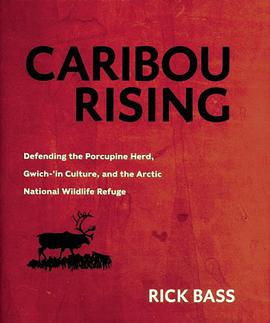
The eloquent voice of Rick Bass has been raised often in celebration and defense of America's surviving wilderness and the big wild animals that live there, in acclaimed books such as Wild to the Heart, The Ninemile Wolves, and The Lost Grizzlies. Now, in Caribou Rising, he journeys from his beloved Yaak Valley in Montana to Alaska, to witness firsthand one of the sole remaining landscapes on Earth where the wild is entirely untrammeled-America's Serengeti, the Arctic National Wildlife Refuge. It is a place where great caribou herds gather, calve, and migrate as they did in the Pleistocene, and where the ancient bond between animals and human hunters still informs daily life. Bass's avid desire to meet this landscape and its native people, the Gwich- in, had several sources. A hunter himself since his Mississippi childhood, he now pursues game with a primal passion coupled with an environmentalist's conscience, providing nearly all the meat his family consumes. He hoped to kill one caribou and bring home its meat. But the deeper intent of that act was to enter, even briefly, the experience of the Gwich- in, who have been following, relying on, and praying to the caribou for 10,000 years, in a relationship parallel to that of the Plains tribes and the buffalo. The more urgent impulse for his journey was that the Refuge, along with the caribou and the Gwich- in, faces ruin if the oil industry and its minions in government get their way. Rather than fight for it in the abstract, Bass wanted to find out for himself-and share with readers-what we really stand to lose if the Arctic Refuge is opened to drilling. Bass's Arctic sojourn brings surprises and unexpected rewards. The caribou's late arrival gives him some downtime in remote Arctic Village, the Gwich- in's home at the base of the Brooks Range. Waiting to travel upriver, Bass walks the land, talks to villagers about their lives, and interviews their leaders. Through him we meet Sarah James, a matriarch wise in the ways of Beltway politics; Trimble Gilbert, an Episcopal priest who kills a caribou for a village-wide barbecue while Bass is in town; and the mysterious Jimi, designated the village's chief hunter. Bass ponders the profound differences between this culture and ours: "the gunmetal hardness of their lives," their casual acceptance of physical risk, and their visceral knowledge that none can exist outside the community. And he reflects on the timeless dance of human, caribou, and land in this place. While a great many Americans are concerned about assaults on the Arctic National wildlife Refuge, not all are aware that a culture is at risk along with the 129,000 caribou of the Porcupine herd-so, as Bass observes, "the caribou. . . will either save the the Gwich- in one last time, or not." Those who read his extraordinary testament to the place, its animals, and its people will understand the interconnectedness of the three and will have all the more reason to make a stand with conviction. "It is here that we are being challenged," Bass writes, "with the responsibility of imagination and of discipline, attributes we as a country once had in spades. . . . It is not the caribou, nor the Gwich- in, who are being given one more chance. It is we who are being given one more chance." Illustrations: 2 b/w illustrations
作者简介
目录信息
读后感
用户评价
这本关于极地探险和古老传说的故事,简直是把我带入了一个冰雪覆盖的奇幻世界。作者对环境的细致描摹,让我仿佛能闻到雪松的清冷气息,感受到凛冽的北风拂过脸庞。那种深入骨髓的寒冷与广袤无垠的荒野,构成了令人敬畏的背景。主角团的每一次抉择都充满了对生存的渴望与对未知的敬畏,他们的内心挣扎,尤其是在面对那些似乎超乎理解范围的自然力量和历史遗迹时,写得极其真实和引人入胜。我特别喜欢作者处理时间感的方式,那些关于远古萨满智慧的片段,如同冰层下暗涌的河流,时而平静,时而激荡,不断提醒着我们脚下这片土地所承载的厚重历史。这本书的节奏把握得非常巧妙,时而舒缓地铺陈场景,让我们沉浸其中,时而又突然爆发出一连串紧张的动作场面,肾上腺素飙升。读到最后,我感到一种近乎宗教般的震撼,仿佛自己也参与了一场对文明起源的追溯,那种对自然的谦卑感油然而生。这本书的叙事结构非常复杂,多条时间线巧妙交织,但作者功力深厚,始终将读者牢牢抓在手中,从不让人迷失方向。
这本书给我的整体感受是沉静而又充满力量的,它不像某些畅销小说那样喧哗,而是像深海中的巨鲸,悄无声息地游过,留下的震撼却经久不散。我欣赏作者对“边界”这个概念的反复探讨——文明与野蛮的边界,已知与未知的边界,生与死的边界。这些边界在故事中不断被模糊、侵蚀,角色们被迫在这些模糊地带做出定义他们一生的选择。书中描绘的那些古代符号和失落的语言,被赋予了一种近乎魔性的生命力,它们不仅仅是文字,更是通往另一种维度的钥匙。这种对神秘学和人类原始本能的探索,让这本书有了一种超越普通冒险故事的哲学高度。它成功地将地理上的极寒之地,转化为了一种内在的精神景观。读完后,我感到一种对我们自身存在的脆弱性和韧性的全新认识,它提醒我们,无论科技如何发展,人类与脚下这片古老的大地的联系,依然是深刻而不可磨灭的。这本书值得被放在书架上最显眼的位置,随时准备再次开启那段迷人的旅程。
我必须说,这本书的语言风格简直是文学上的盛宴,充满了古典的韵味和一种近乎史诗般的宏大叙事感。它绝不是那种轻快的冒险小说,而更像是一部深沉的、需要反复咀嚼的文学作品。作者对于象征手法的运用达到了炉火纯青的地步,每一个反复出现的意象——无论是夜空中变幻莫测的极光,还是那些沉默伫立的冰川,都承载着多重含义,让人在合上书本后依旧久久回味。人物的塑造也极具深度,他们不再是扁平的符号,而是充满矛盾和成长的复杂个体。尤其是那个始终保持沉默的智者角色,他每一次的低语都像是在揭示宇宙的某个基本真理,充满了令人信服的宿命感。这本书探讨了关于记忆、失落与传承的主题,但它处理这些宏大命题的方式非常细腻,总是通过个体的小小挣扎来折射出时代的洪流。我尤其欣赏作者在处理文化冲突时所展现出的那种超然和尊重,没有简单的褒贬,只有对不同生存哲学的深刻理解。这本书的深度足以让我在未来很多年里,都会时不时地想起其中的某个场景或某句台词。
读完这本书,我感觉自己像是完成了一次漫长而艰苦的徒步旅行,身体上可能有些疲惫,但精神上却获得了极大的升华。这本书的“地图”绘制得极其详尽,即使是对于那些地理知识不甚丰富的人来说,也能清晰地构建出那个冰封王国的空间感。我特别欣赏作者在技术细节上的考究,无论是关于冰川学的描述,还是对某些失传工艺的还原,都显示出扎实的调研基础,这为虚构的故事增添了令人信服的骨架。然而,这本书的真正魔力在于它对“真实”的探索。它让你质疑我们所接受的现实边界,当我们面对那些无法用现有科学解释的现象时,我们该如何定位自己?主角们那种近乎偏执的求真精神,驱动着整个故事向前发展,每一次新的发现,都伴随着对既有世界观的颠覆。这种不断的自我挑战和突破,是这本书最激动人心的地方。它不提供简单的答案,而是为你设置了一系列复杂的谜题,让你在阅读的过程中,也同步地成为了一个解谜者。
这本书的节奏感和叙事角度的切换,简直是教科书级别的示范。它不是那种从头到尾都保持高强度的叙事,而是张弛有度,仿佛在故意引诱你放松警惕,然后在你最意想不到的时候,抛出一个足以让你心跳漏一拍的转折。我尤其对作者在第三部分引入的那段关于“回响”的描写印象深刻,那种关于过去事件如何在现在留下痕迹的处理手法,非常具有电影感,仿佛镜头在不同的时间点之间快速切换,但每一个切换都服务于当前的戏剧冲突。这本书的对话也很有特点,很多时候,角色之间的话语是克制的,大量的意义隐藏在言语之间的停顿和未尽之意中,这要求读者必须全神贯注地去“倾听”那些没有说出口的部分。我发现自己会不自觉地停下来,回读某些段落,只是为了更好地体会那种言简意赅的力量。对于那些喜欢深度心理刻画和精妙结构布局的读者来说,这本书绝对是不可多得的佳作,它奖励了那些愿意投入精力的阅读者。