
具体描述
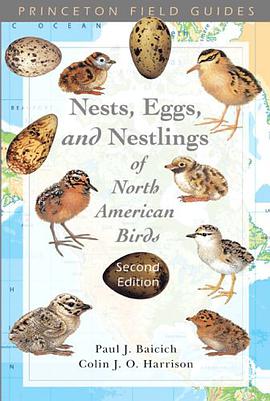
"A Guide to the Nests, Eggs, and Nestlings of North American Birds, Second Edition" provides a thorough, species-by-species guide to the breeding biology of the birds of North America. Some 670 breeding species are described in full, covering the birds of a vast area, from the Arctic to the southern boundary of the continental United States. The main text presents complete basic information on the breeding cycle of each species, summarized in a natural sequence: nest habitat, nest-site, nest construction, breeding season, eggs, incubation and nesting and nestling period. More than 700 color and line illustrations provide valuable information on the identification of the nests, eggs, and nestlings of 597 species. The book covers perhaps the most fascinating aspects of North American bird life, their reproduction and the care of their young, essential elements in the survival of any species. The book summarizes all that is known of this crucial part of a bird's life cycle, and by omission, points to what is yet unknown and may yet be discovered by the scientific ornithologist and birder alike. If your fascination in the nests, eggs, and nestlings of North American birds centers on identifying them in the field, you will find this book essential. If conservation is also a concern, you will appreciate the value of understanding the breeding requirements and biology of even the most common of species. This book will prove invaluable whatever your interest in North American birds. The key features include: describes nests, eggs, and nestlings and gives basic biological information on nesting and breeding biology; includes up-to-date coverage of all breeding species found in North America, including Alaska and Canada in one comprehensive volume; contains more than 700 color and line illustrations of nests, eggs, and nestlings. The species list by family - Loons: Gaviidae; Grebes: Podicipedidae; Shearwaters: Procellariidae; Storm-Petrels: Hydrobatidae; Boobies and Gannets: Sulidae; Pelicans: Pelecanidae; Cormorants: Phalacrocoracidae; Darters: Anhingidae; Frigatebirds: Fregatidae; Bitterns and Herons: Ardeidae; Ibises and Spoonbills: Threskiomithidae; Storks: Ciconiidae; Swans, Geese, and Ducks: Anatidae; American Vultures: Catharidae; Kites, Hawks, Eagles and Allies: Accipitridae; Caracaras and Falcons: Falconidae; Guans: Cracidae; Partridges, Grouse, Turkey, and Quail: Phasianidae; Rails, Gallinules, and Coots: Rallidae; Limpkins: Aramidae; Cranes: Gruidae; Plovers: Charadriidae; Oystercatchers: Haematopodidae; Stilts and Avocets: Recurvirostridae; Jacanas: Jacanidae; Sandpipers, Phalaropes, and Allies: Scolopacidae; Jaegers, Gulls, Terns, and Skimmers: Laridae; Auks, Murres, and Puffins: Alcidae; Pigeons and Doves: Columbidae; and Parakeets and Parrots: Psittacidae. The list also includes: Cuckoos, Roadrunner, and Anis: Cuculidae; Barn Owls: Tytonidae; Typical Owls: Strigidae; Goatsuckers: Caprimulgidae; Swifts: Apodidae; Hummingbirds: Trochilidae; Trogons: Trogonidae; Kingfishers: Alcedinidae; Woodpeckers: Picidae; Tyrant Flycatchers: Tyrannidae; Larks: Alaudidae; Swallows: Hirundinidae; Jays, Magpies, and Crows: Corvidae; Titmica: Paridae; Verdin: Remizidae; Bushtits: Aegithalidae; Nutcatchers: Sittidae; Creepers: Certhiidae; Bulbuls: Pycnonotidae; Wrens: Troglodytidae; Dippers: Cinclidae; Old World Warblers, Gnatcatchers, Old World Flycatchers, Thrushes and Wrentit: Uscicapidae; and Mockingbirds and Thrashers: Mimidae. The list also includes: Wagtails and Pipits: Motacillidae; Waxwings Bombycillidae; Silky-Flycatchers: Ptilogonatidae; Shrikes: Laniidae; Starlings: Stumidae; Vireos: Vireonidae; Wood-Warblers, Tanagers, Cardinals, Grosbreaks, Sparrows, Buntins, Blackbirds, and Allies: Emberizidae; Fringinlline and Carueline Finches and Allies: Fringillidae; and Old World Sparrows: Passeridae.
作者简介
目录信息
读后感
用户评价
坦白说,我买这本书的初衷,其实是想找一本能解决我“辨认鸟蛋颜色”难题的指南。毕竟,在野外观鸟时,偶尔会瞥见遗落在地上的鸟蛋壳碎片,或者是在不打扰鸟类的情况下远距离观察到的巢穴,但那些蛋的颜色、斑点模式实在是千奇万彩,让人眼花缭乱。这本书在这方面的专业度是毋庸置疑的。它的插图和照片质量极高,色彩还原度很准确,这对于辨识工作至关重要。更棒的是,它不仅展示了最终成品,还详细描述了卵的大小、形状,以及最关键的——斑纹的分布规律。很多时候,我们容易忽略那些细微的差异,但书里会明确指出,某种特定物种的蛋,其斑点是集中在钝端,而另一种则是均匀分布的。这让我开始意识到,每一个鸟蛋都是一个独特的生物学信号。我甚至开始用一种全新的视角去观察自然博物馆里的标本收藏,发现以往只是走马观花地看过去,现在则能品味出其中蕴含的遗传信息和演化选择的压力。这本书极大地提升了我对自然界微观世界的鉴赏能力。
作为一名业余的自然摄影爱好者,我一直在努力捕捉那些罕见且难以接近的瞬间,尤其是关于鸟类育雏过程的那些幕后故事。众所周知,拍摄正在孵蛋的亲鸟或者刚刚破壳的雏鸟是极具挑战性的,不仅因为它们极其警惕,还因为它们的巢穴通常位置隐蔽、光线复杂。这本书虽然没有直接教你摄影技巧,但它提供了无价的“行为背景知识”。它详尽地说明了不同种类的鸟类在不同孵化阶段的行为模式和时间表。例如,亲鸟换班的频率、雏鸟出壳后的反应速度、对外界干扰的敏感度等等。这些信息对于我规划拍摄时间和选择最佳观察点至关重要。我不再是盲目地守候,而是可以根据科学的预测来安排我的行程,大大提高了成功率,同时也确保了我对野生动物的干扰降到了最低。这种知识的深度,让我从一个“捕获画面”的记录者,转变为一个更懂得尊重和理解这些生命周期的观察者。阅读这本书,就像是获得了一张了解北美鸟类“私密生活”的贵宾通行证。
我得说,这本书的学术严谨性是它最让人信服的一点。我之前看过几本号称是“野外指南”的书籍,但很多信息来源模糊,或者更新速度跟不上最新的研究进展。然而,在阅读这本关于巢穴和雏鸟的指南时,我能明显感觉到作者团队背后做了大量的文献梳理和实地验证工作。它不仅仅是罗列事实,更像是构建了一个完整的生态学框架。比如,书中对不同食性鸟类(比如食虫鸟和食谷鸟)的巢穴内衬材料的选择差异进行了对比分析,解释了这种选择背后的生态学意义——是为了保温,还是为了避免寄生虫。这种层层递进的解释,让我对“为什么”鸟类会这样做产生了浓厚的兴趣。这本书的数据引用和物种描述的准确性,使得它不仅适合入门者,对于有一定经验的研究生或者鸟类爱好者来说,也是一本可以随时翻阅的参考资料。它提供了足够的深度,让你愿意反复咀嚼那些看似简单的自然现象背后的复杂逻辑。
这本书真是让人大开眼界,尤其是对于我这种对观鸟活动有点热情,但知识还停留在初级阶段的人来说,简直是宝藏!我一直对鸟巢、鸟蛋这些小细节特别好奇,但传统的鸟类图鉴往往只侧重于成鸟的识别,很少有如此详尽的篇幅来专门讲解筑巢和育雏的过程。这本书的结构编排非常科学,它不像是一本冷冰冰的工具书,更像是一位经验丰富的鸟类学家在你身边娓娓道来。我特别欣赏它在描述不同物种的巢穴结构时的那种细致入微。比如,它不会简单地说“这个鸟巢是杯状的”,而是会深入解析构成巢穴的材料——是苔藓、是细枝条,还是羽毛,甚至是哪种特定种类的草叶。那种对自然界精妙工程的敬畏感,在阅读过程中油然而生。而且,它对不同地域的鸟类巢穴差异也有所体现,这让读者能更深刻地理解环境对物种适应性的影响。我感觉自己仿佛在后院的橡树上发现了一个新的巢穴,但这次我不是盲目猜测了,而是能够根据书中的描述,推断出这大概率是哪位“住户”的杰作。这种从“看鸟”到“理解鸟类生活史”的跨越,是这本书给我带来的最大惊喜。
从排版和设计角度来看,这本书的处理方式非常人性化,完全没有传统百科全书那种厚重和枯燥感。尽管内容涉及大量的专业术语和物种信息,但整体阅读体验却是流畅且引人入胜的。我特别喜欢它在描述那些不常见的、建筑学上特别奇特的巢穴时所使用的语言——充满了赞叹和敬意,完全没有那种官方报告的冷漠。而且,这本书在结构上似乎很聪明地平衡了地域性描述和物种通用性描述。你既可以按照地理区域来查阅,也可以直接根据你发现的巢穴特征来定位物种。这种灵活性极大地提高了野外使用的便利性。我常常在公园里,手里拿着它,迅速地翻到对应章节,那种即时获得的满足感是无可替代的。总而言之,这不仅仅是一本“识别手册”,它更像是一本关于“微观家园构建艺术”的百科全书,值得所有热爱自然的人珍藏。