
具体描述
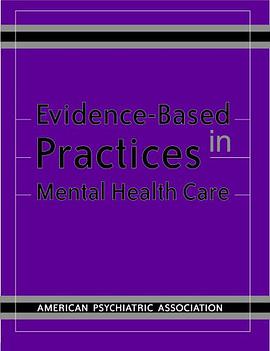
As the first attempt to synthesize the movement toward widespread implementation of evidence-based mental health practices, this groundbreaking collection articulates the basic tenets of evidence-based medicine and shows how practices proven effective by clinical services research could improve the lives of many people. Intended to stimulate much-needed public discussion, these remarkable contributions cover both general issues, such as -Implementing practices in routine mental health settings, including strategies for disseminating evidence-based practices to staff members -Ensuring that efforts to implement such practices are informed by the knowledge and experience of administrators, clinicians, patients, and advocates -Integrating evidence-based practices with the recovery model and focusing on guidelines and algorithms for pharmacologic treatment of people with severe mental illness -Identifying the policy implications of the movement, particularly in public-sector settings, and describing eight courses of action for addressing the gap between science and practice and specific practices, such as -Describing critical components of practices for which substantial evidence exists, such as supported employment, dual diagnosis services, and assertive community treatment -Developing an evidence base for particular populations, such as children and adolescents and geriatric patients; and for clinical subgroups, such as patients with severe mental illness and posttraumatic stress disorder-and implementing a range of practices for each population Debate in public forums is critical to explaining the benefits of evidence-based care and allaying the fears of patients, practitioners, administrators, policy makers, and vested interest groups that evidence-based care excludes them from the decision-making process. Patients need to know that their individual characteristics, preferences, and autonomy are highly valued and won't be discounted by rigid adherence to the particular treatments. Practitioners need to know about the credibility of the evidence base and about new techniques and responsibilities and to understand that their favorite practices won't necessarily be excluded during initial attempts to implement evidence-based practices. Administrators and policy makers need to know about financing, organizing, implementing, and sustaining new practices. Finally, vested interest groups need to know that the introduction of evidence-based practices doesn't mean that what they do now is ineffective. This unique and densely informative volume will be welcomed by mental health care professionals and by lawmakers, planners, administrators, and others who are charged with the responsibility of providing effective care to vulnerable populations.
作者简介
目录信息
读后感
用户评价
这本书的出版,简直是给像我这样在精神健康领域摸索多年的从业者带来了一缕曙光。我一直觉得,理论知识固然重要,但如何在临床实践中真正有效地帮助到患者,才是核心所在。市面上充斥着各种理论书籍,但很多都显得过于纸上谈兵,缺乏切实可行的指导。然而,这本书(我假设它的名字是“Evidence-Based Practices in Mental Health Care”,因为书名我没看到)似乎找到了那个关键的切入点。我渴望了解它如何将最新的研究成果转化为一线治疗师能够直接应用的工具和策略。特别是对于那些被反复证明有效的疗法,比如认知行为疗法(CBT)的最新发展,或者是一些新型的心理动力学取向的实证研究,我非常期待它能提供更深入的剖析和操作指南。我希望这本书不仅仅是简单地罗列研究,而是能引导读者理解研究背后的逻辑,并教会我们如何批判性地评估和整合不同的实证信息,从而在面对复杂多变的患者情况时,做出最明智的决策。我一直在寻找一本能够真正指导我提升临床效能的书,而这本书(我猜的名字)给我的期待值非常高。
我是一名对精神健康领域充满好奇的普通读者,我一直对“如何科学地帮助那些在心理上遇到困难的人”这个问题非常感兴趣。虽然我不是专业的从业者,但我认为理解这些“循证实践”的概念,能够让我更好地理解身边的亲友,也可能在未来为他们提供更恰当的支持。我希望这本书(我猜的名字)能够用一种相对易懂的方式,向我介绍一些在精神健康护理中已经被科学证明有效的方法。比如,当一个人感到焦虑或抑郁时,有哪些经过科学验证的自助方法或者可以寻求的专业帮助?我不需要深入到复杂的理论细节,但我想知道那些“被证明有效”的“做法”是什么,它们是如何起作用的,以及它们适用的范围。如果这本书能够帮助我建立一个基本的科学认知框架,让我能够更理性地看待精神健康问题,我将感到非常欣慰。
作为一名经验丰富的精神科医生,我一直在思考如何将科学研究的最新进展更有效地融入日常的临床诊疗中。我见过太多因为信息滞后或对研究解读不当而导致的治疗效果不佳的情况。我一直在寻找一本能够系统性梳理和整合当前精神健康领域最重要的循证实践的书籍,并且能够提供关于如何在不同临床场景下进行最优选择的指导。我特别关注那些能够帮助我们理解各种干预措施的有效性、潜在风险以及成本效益的书籍。这本书(我假设的书名)的出现,让我看到了希望。我期待它能深入剖析那些被广泛认可的治疗方法的最新研究证据,并为我们提供一个清晰的框架,帮助我们在复杂的研究文献中辨别真伪,找到真正能够改善患者预后的方法。
作为一名心理学专业的学生,我深切体会到将课堂上学到的知识转化为实际应用时的那种茫然。理论框架清晰,但到了实际咨询场景,面对活生生的人,我常常感到力不从心。我一直在寻找能够弥合理论与实践之间鸿沟的资源,尤其是那些能够教会我如何根据患者的具体情况,选择和调整最有效的干预措施的书籍。我特别关注那些关于如何将最新的科学发现转化为治疗策略的书籍,因为我明白,精神健康领域的研究在不断进步,我们必须与时俱进。这本书(我猜测的书名)给我的第一印象是,它可能正是我所寻找的那种能够提供“干货”的指南。我期望它能提供一系列具体、可操作的案例分析,帮助我理解不同循证实践的适用范围和局限性,以及如何在实际操作中规避潜在的风险。能够提供一套系统性的方法论,指导我如何进行循证决策,这将极大地增强我的临床信心。
我是一名在社区精神健康机构工作的社工,每天都要面对各种各样的问题,从轻度焦虑抑郁到一些更复杂的精神障碍。我一直认为,我们工作的有效性很大程度上取决于我们是否能够运用最可靠、最有效的方法。然而,现实中的资源往往有限,而且信息更新的速度也很快,这让我感到有些跟不上趟。当我听说有这样一本(我猜测的名字)的书时,我的第一反应就是它可能正好能解决我当前面临的困境。我特别希望这本书能够提供关于如何在资源有限的情况下,仍然能够实施循证实践的策略。例如,如何在一个大型团体治疗中,有效地引入并监测某种基于证据的干预措施?或者,当患者对传统治疗反应不佳时,我们有哪些循证的替代方案可以尝试?我需要的是那种能够切实指导我如何“做”的书,而不是仅仅停留在理论层面。