
具体描述
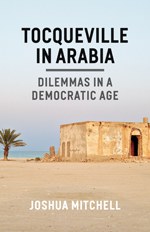
The Arab Spring, with its calls for sweeping political change, marked the most profound popular uprising in the Middle East for generations. But if the nascent democracies born of these protests are to succeed in the absence of a strong democratic tradition, their success will depend in part on an understanding of how Middle Easterners view themselves, their allegiances to family and religion, and their relationship with the wider world in which they are increasingly integrated.
Many of these same questions were raised by Alexis de Tocqueville during his 1831 tour of America, itself then a rising democracy. Joshua Mitchell spent years teaching Tocqueville’s classic account, Democracy in America, in America and the Arab Gulf and, with Tocqueville in Arabia, he offers a profound personal take. One of the reasons for the book’s widespread popularity in the region is that its commentary on the challenges of democracy and the seemingly contradictory concepts of equality and individuality continue to speak to current debates. While Mitchell’s American students tended to value the individualism of commercial self-interest, his Middle Eastern students had grave doubts about individualism and a deep suspicion for capitalism, which they saw as risking the destruction of long-held loyalties and obligations. When asked about suffering, American students answered in psychological or sociological terms, while Middle Eastern students understood it in terms of religion. Mitchell describes modern democratic man as becoming what Tocqueville predicted: a “distinct kind of humanity” that would be increasingly isolated and alone. Whatever their differences, students in both worlds were grappling with a sense of disconnectedness that social media does little to remedy.
We live in a time rife with mutual misunderstandings between America and the Middle East, and Tocqueville in Arabia offers a guide to the present, troubled times, leavened by the author’s hopes about the future.
作者简介
Joshua Mitchell is professor of political theory in the Department of Government at Georgetown University. From 2005 to 2008, he taught at Georgetown University’s School of Foreign Service in Doha, Qatar. From 2008 to 2010, he was the acting chancellor of the American University of Iraq, Sulaimani. He is the author of several books, including The Fragility of Freedom: Tocqueville on Religion, Democracy, and the American Future, also published by the University of Chicago Press. He lives in Cambridge, MD.
目录信息
读后感
用户评价
这本书带给我的是一种持续的、低沉的震撼感,它没有爆炸性的情节或惊人的发现,但它的影响是潜移默化的。它教会我用一种更具批判性的眼光去审视那些被我们习以为常的社会规范和制度。作者在构建其论点时,展现出一种近乎偏执的求真精神,他对每一个概念的界定都力求精确无误。尤其是在探讨社会惰性如何阻碍进步这一点上,其分析细致入微,我甚至能在自己日常生活中找到与之对应的影子。这本书的结构安排非常巧妙,每一个章节都像是一块拼图,共同构成了一幅关于现代性困境的宏大图景。它不是一本可以快速读完的书,需要慢下来,反复咀嚼那些精妙的措辞和深远的意涵。读完后,我感觉自己的思维工具箱里增加了一个极其强大且可靠的分析工具。
这本书真是令人惊叹,它带我进行了一场思想的深度探险,让我对现代政治和社会结构有了全新的认识。作者的笔触细腻而有力,将复杂的理论以非常生动的方式呈现出来,读起来丝毫没有枯燥感。我特别欣赏作者在分析不同文化背景下政治体制演变时的那种超然和深刻的洞察力。他似乎总能穿透表象,直抵问题的核心,用一种几乎是先知般的视角审视着我们这个时代的种种现象。比如,书中对自由与平等的张力关系的探讨,简直是教科书级别的阐释,读完后,我发现自己看待日常新闻的角度都变得更加审慎和多维了。那种对民主弊病的鞭辟入里,既不失对理想的坚持,又充满了对人性的清醒认识,这种平衡感极其难得。每一次翻阅,都能发现新的启发点,仿佛沉浸在一位智者的长谈之中,受益匪浅。这本书不仅仅是一部学术著作,更是一部关于如何成为一个更清醒的公民的指南。
这部作品的魅力在于其跨越时空的对话能力。作者似乎拥有一种魔力,能够将古老的智慧与当下世界的喧嚣进行对话,并且让它们之间产生奇妙的共振。我仿佛看到了一面镜子,映照出我们当代社会许多难以言喻的焦虑和困境。书中的案例选择极其独到,总是能在最意想不到的地方找到具有普遍意义的象征。与其说它是一本理论书,不如说它是一部哲学散文,其文字的韵律和句式的变化丰富多样,读起来像是在聆听一场精心编排的交响乐,高低起伏,张弛有度。它对权力、集体心理以及个体异化的描绘,精准得令人不寒而栗。阅读的过程是充满挑战的,但每一次挑战都伴随着巨大的心智上的回报,让人忍不住想要与人分享那种豁然开朗的体验。
老实说,这本书一开始读起来需要集中精神,因为它探讨的主题非常宏大且具有一定的抽象性。然而,一旦适应了作者的思维模式,便会发现其内部的逻辑链条异常清晰和坚固。作者的分析如同精密的手术刀,毫不留情地剖开了那些社会结构内部的矛盾与隐忧。它不像很多当代作品那样迎合大众口味,而是勇敢地提出了那些难以回答的问题,并迫使读者直面这些难题。我特别欣赏它在处理复杂社会现象时所展现出的那种克制和严谨,没有丝毫的夸张或情绪化的表达,所有的论断都有坚实的观察和推理作为基础。这本书更像是对未来趋势的一种深刻预警,那些看似遥远的社会学观察,如今看来却越来越具有现实的紧迫感。它不是提供简单的答案,而是教你如何更有效地提出问题,这种教育意义是无价的。
这本书的叙事节奏把握得极佳,从开篇的那个极具画面感的场景切入,立刻将我拉入了一个充满张力的历史情境之中。语言风格非常富有文学性,那种古典而又精准的措辞,让人在阅读过程中享受到纯粹的文字美感。它不是那种堆砌术语的著作,而是通过一系列精彩的案例和精准的对比,构建起一个逻辑严密却又饱含情感的分析框架。我尤其喜欢作者在描述社会变迁时所展现出的那种历史的纵深感,仿佛能触摸到时间流逝的痕迹。它成功地将宏大的历史叙事与微观的个体经验巧妙地编织在一起,使得论点既有理论支撑,又不失温度。读完合上书本的那一刻,我感到一种强烈的满足感,不仅仅是知识的获取,更是一种精神上的洗礼,它促使我去反思自己所处的时代语境,并对那些看似理所当然的社会规范产生了质疑。