
具体描述
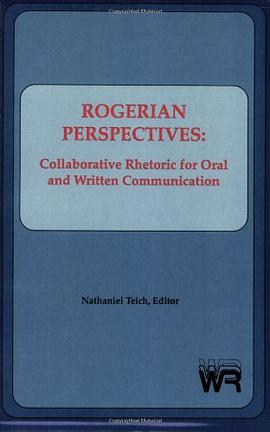
Advancing the application of Carl Rogers' ideas, this book presents new theoretical and practical views of Rogerian influences on rhetorical theory, the teaching of writing, and pragmatic discourse. Practically, the contributors focus on the dynamics of Rogerian communication in real-world contexts, extending Rogers' "person-centered" principles into classroom interactions, peer response groups, and other collaborations. Theoretically, discussions situate Rogerian principles within the contexts of persuasive and dialogical rhetoric, and of psychoanalytic and philosophical intersubjectivity. Also included are transcripts of an interview with Rogers, and a forum discussion epitomizing Rogerian principles in action.
Rogerian Perspectives: A Deep Dive into the Foundations of Human Understanding This book embarks on a comprehensive exploration of the foundational principles that underpin genuine human connection and effective communication. It delves into the profound insights offered by the Rogerian approach, examining its core tenets and their practical applications across a wide spectrum of human interaction. The journey begins with an in-depth analysis of empathic understanding. This isn't merely about feeling sorry for someone; it's a rigorous exploration of how to truly step into another person's shoes, to grasp their subjective reality, their feelings, and their perspectives, as if they were your own. The book meticulously outlines the skills required for this deep listening, including active attending, paraphrasing for clarification, and the art of reflecting feelings. It dissects the subtle nuances of non-verbal communication and how to attune oneself to the unspoken emotional landscape of another. Readers will learn how to move beyond superficial engagement and cultivate a palpable sense of being truly heard and understood, a cornerstone of any meaningful relationship. Crucially, the book addresses the concept of unconditional positive regard. This principle, central to the Rogerian framework, posits the importance of accepting individuals for who they are, without judgment or evaluation. The book unpacks what this means in practice, exploring how to suspend personal biases, preconceived notions, and critical filters. It examines how to create an atmosphere of safety and acceptance where individuals feel free to express themselves authentically, without fear of reprisal or disapproval. This section provides practical strategies for fostering this non-judgmental stance, highlighting its transformative power in building trust and encouraging personal growth. The volume then transitions to the vital role of congruence. This refers to the state of being genuine and authentic in one's interactions. The book explores the importance of aligning one's inner experience with their outward expression, advocating for a transparent and honest approach to communication. It investigates how perceived inauthenticity can create barriers to connection and understanding, and conversely, how genuine self-expression can foster deeper trust. Readers will be guided on how to cultivate their own congruence, understanding the courage it takes to be vulnerable and the profound impact it has on building authentic relationships. Throughout its pages, Rogerian Perspectives meticulously illustrates the application of these principles in various contexts. It examines how empathic communication and unconditional positive regard can revolutionize therapeutic relationships, facilitating healing and personal growth. The book explores the tangible benefits of these approaches in educational settings, empowering educators to foster more supportive and engaging learning environments, and helping students feel more understood and motivated. Furthermore, the book delves into the application of Rogerian principles in organizational dynamics, showcasing how they can enhance teamwork, resolve conflicts constructively, and improve leadership effectiveness. It provides insightful examples of how fostering an environment of open communication and mutual respect can lead to greater innovation and productivity. The volume also explores the relevance of these concepts in interpersonal relationships, offering practical advice for improving communication with partners, family members, and friends, and navigating the complexities of human connection with greater skill and sensitivity. A significant portion of the book is dedicated to dismantling common misconceptions and exploring the practical challenges of implementing Rogerian principles. It addresses the inherent difficulties in suspending judgment, the effort required for consistent empathic listening, and the vulnerability associated with genuine congruence. Through case studies and detailed analyses, the book provides readers with the tools and resilience needed to overcome these obstacles and integrate these valuable principles into their daily lives. Rogerian Perspectives is not merely a theoretical treatise; it is a practical guide for anyone seeking to deepen their understanding of human interaction and cultivate more meaningful, authentic connections. It offers a compelling case for the transformative power of empathy, acceptance, and genuineness, providing readers with a robust framework for building bridges of understanding in an increasingly complex world. This book is an invaluable resource for therapists, educators, leaders, and individuals alike who are committed to fostering genuine human connection and unlocking the full potential of human relationships. It invites readers on a journey of self-discovery and interpersonal growth, equipping them with the essential skills to navigate the human experience with greater compassion, understanding, and authenticity.