
具体描述
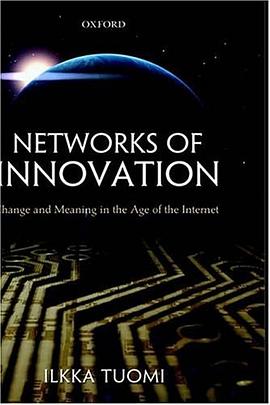
Innovations are adopted when users integrate them in meaningful ways into existing social practices. Histories of major technological innovations show that often the creative initiative of users and user communities becomes the determining factor in the evolution of particular innovations. The evolutionary routes of the telephone, the Internet, the World Wide Web, email, and the Linux operating system all took their developers by surprise. Articulation of these technologies as meaningful products and systems was made possible by innovative users and unintended resources. Iterative and interactive models have replaced the traditional linear model of innovation during the last decade. Yet, heroic innovators and entrepreneurs, unambiguous functionality of products, and a focus on the up-stream aspects of innovation still underlie much discussion on innovation, intellectual property rights, technology policy, and product development. Coherent conceptual, theoretical and practical conclusions from research on knowledge creation, theory of learning, history of technology, and the social basis of innovative change have rarely been made. This book argues that innovation is about creating meaning; that it is inherently social; and is grounded in existing social practices. To understand the social basis of innovation and technology development we have to move beyond the traditional product-centric view on innovations. Integrating concepts from several disciplinary perspectives and detailed analyses of the evolution of Internet-related innovations, including packet-switched computer networks, World Wide Web, and the Linux open source operating system, the book develops foundations for a new theoretical and practical understanding of innovation. For example, it shows that innovative development can occur in two qualitatively different ways, one based on evolving specialization and the other based on recombination of existing socially produced resources. The expanding communication and collaboration networks have increased the importance of the recombinatory mode making mobility of resources, sociotechnical translation mechanisms, and meaning creation in communities of practice increasingly important for innovation research and product development.
作者简介
目录信息
读后感
用户评价
我最初希望这本书能提供一个实用的工具箱,帮助我诊断我所在组织内部的创新瓶颈,并提供一些可操作的干预策略。然而,这本书更像是一本关于“创新网络生态学”的教科书,它擅长描述“是什么”和“为什么会这样”,却很少触及“我们该怎么办”。书中提出的模型和分类体系固然详尽,但缺乏将这些理论转化为具体行动指南的桥梁。举例来说,当讨论到“网络冗余性”对风险抵御的好处时,作者只是停留在理论层面,并未给出如何量化、如何有意识地在组织中引入适度冗余的具体步骤。对于那些希望快速将理论应用于实践的读者来说,这本书可能会带来知识上的满足,但实践上的失落感会非常明显。它是一份出色的诊断报告,但缺少了后续的治疗方案和康复指导。
这本书的语言风格实在是太“学术化”了,即便是对创新管理领域有一定了解的读者,也会在无数的术语和复杂的从句中感到疲惫。很多概念的阐述都冗长且绕口,仿佛作者在用一种极其迂回的方式来证明自己掌握了专业词汇。例如,描述一个简单的反馈循环,可以写出长达三句的主谓宾结构,夹杂着大量的修饰语,读起来需要反复回溯才能捕捉到核心逻辑。这种对清晰度的牺牲,极大地降低了知识传递的效率。如果作者能用更具画面感的比喻,或者通过更生活化的语言(当然,是在保持专业性的前提下)来解释那些复杂的互动机制,效果可能会好得多。现在的阅读体验,就像是试图通过一个布满灰尘的厚玻璃窗去观看一场精彩的球赛,视野被严重局限,而且需要花费额外的精力去“擦拭”和“聚焦”。
这本书的叙事节奏实在有些拖沓,读起来让人感觉像是走在一条蜿蜒曲折、没有明确终点的羊肠小道上。作者似乎过于沉迷于构建宏大的理论框架,却忽略了将这些理论与生动的案例进行有效连接。我期待看到的是一场思想的火花碰撞,是那些创新网络如何从无到有、如何克服阻碍的鲜活故事,但实际上,我更多地感受到的是一系列抽象概念的堆砌。比如,在讨论“知识溢出效应”的那几章,作者用了大量的篇幅去定义和重申这个概念,仿佛读者都是初次接触这个领域的门外汉。这种重复性的写作手法,让原本可以聚焦于分析的关键部分变得模糊不清。如果能用更简洁有力的语言,配合一些现实中失败或成功的具体企业案例来佐证观点,这本书的阅读体验无疑会大大提升。现在的感觉是,手里拿着一把精美的瑞士军刀,却只用到了其中最基础的那个小刀片,其他功能都深锁在过于复杂的说明书里,难以触及。
从排版和装帧来看,这绝对是一本追求学术严谨性的著作,字体选择和页边距都符合主流学术出版的标准,厚重而沉稳。但这种严谨性在内容上传达出来的是一种令人窒息的保守。全书的论调仿佛被设定在了上世纪九十年代的某个研讨会上,对于近年来爆发式增长的数字化平台和敏捷开发模式对传统创新网络结构带来的颠覆性影响,讨论得相当有限。作者似乎更倾向于分析那些成熟、稳固的工业集群,而不是那些充满活力的、非正式的虚拟合作关系。这使得整本书的论证缺乏了对当前商业环境的紧迫感和相关性。就好比在讨论高速公路建设时,还在花费大量篇幅研究马车辙的形成规律,虽然历史角度有其价值,但对于指导今天的交通规划而言,参考意义大打折扣。期待能看到对“去中心化”和“即时协作”如何重塑边界的深刻探讨,但这本书似乎对此保持了警惕甚至回避的态度。
我必须承认,这本书在文献综述这一块做得是相当扎实的,引用了大量跨学科的早期研究,这表明作者在准备工作上投入了巨大的心血。然而,这种扎实的“堆料”似乎也成了它的绊脚石。读到中后段时,我有一种强烈的被信息过载淹没的感觉。每一页都密密麻麻地布满了引文和脚注,仿佛作者生怕遗漏了任何一个学者的观点。问题在于,在罗列了如此多的前人工作之后,作者自己的“新声音”在哪里?创新网络的动态演变,这个主题本身就充满了变数和不确定性,需要一种更具洞察力的、甚至是有些挑衅性的视角来解读。可惜,这本书更多地是在扮演一个“合格的记录者”的角色,而不是一个“思想的引领者”。它成功地描绘了一幅详尽的地图,但却没有在地图上标出新的、值得探索的秘境,读完之后,脑子里留下的更多是“谁说过什么”的碎片,而不是一套可供实践的、令人信服的分析框架。