
具体描述
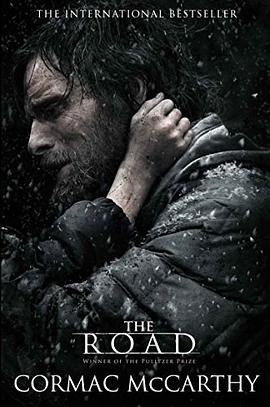
The Road follows an unnamed father and son journeying together across a grim post-apocalyptic landscape, some years after a great, unexplained cataclysm has destroyed civilization and almost all life on Earth. Realizing that they will not survive another winter in their unspecified original location, the father leads the boy south, through a desolate American landscape along a vacant highway, towards the sea, sustained only by the vague hope of finding warmth and more "good guys" like them, and carrying with them only what is on their backs and what will fit into a damaged supermarket cart.
The setting is very cold, dark and filled with ash and the land is devoid of living vegetation. There is frequent rain or snow, and electrical storms are common. Many of the remaining human survivors are cannibalistic gangs or nomads, scavenging the detritus of city and country alike for human flesh, though that too is almost entirely depleted.
Overwhelmed by this desperate and apparently hopeless situation, the boy's mother, pregnant with him at the time of the cataclysm, commits suicide when the boy is about five or six; the rationality and calmness of her act being her last "great gift" to the man and the boy. The father coughs blood every morning and eventually realizes he is dying, yet still struggles to protect his son from the constant threats of attack, exposure, and starvation. The revolver they carry, meant for protection or suicide if necessary, has only one round for the entire story. The boy has been told to use it on himself if capture is imminent, to spare himself the horror of death at the hands of the cannibals.
In the face of these obstacles, the man and the boy have only each other. They repeatedly assure one another that they are "the good guys," who are "carrying the fire." On their journey, the duo scrounge for food, encounter roving bands of cannibals, and contend with horrors such as a newborn infant being roasted on a spit, and people being kept captive as they are slowly harvested for food. The vast majority of the book is written in the third person, with references to "the father" and "the son" or to "the man" and "the boy."
Although the man and the boy eventually reach the sea, neither the climate nor availability of food has improved. The man succumbs to an illness and dies, leaving the boy alone, though not long before he dies, the father tells the boy that he can continue to speak with him in his imagination after he is gone. The boy holds wake over his father's corpse for three days, with no idea of what he is to do next. On the third day, the grieving boy encounters a man who has been tracking the father and son. This man, who has a woman and two children of his own, a boy and a girl, invites him to join his family after convincing the boy that he is indeed one of the "good guys" like the boy and his dead father. A brief epilogue following meditates on nature and infinity in this altered environment.
作者简介
Cormac McCarthy is an American novelist and playwright. He has written ten novels in the Southern Gothic, western, and post-apocalyptic genres and has also written plays and screenplays. He received the Pulitzer Prize in 2007 for The Road, and his 2005 novel No Country for Old Men was adapted as a 2007 film of the same name, which won four Academy Awards, including Best Picture.
His earlier Blood Meridian (1985) was among Time Magazine's poll of 100 best English-language books published between 1925 and 2005 and he placed joint runner-up for a similar title in a poll taken in 2006 by The New York Times of the best American fiction published in the last 25 years. Literary critic Harold Bloom named him as one of the four major American novelists of his time, along with Thomas Pynchon, Don DeLillo, and Philip Roth. He is frequently compared by modern reviewers to William Faulkner.
In 2009, Cormac McCarthy won the PEN/Saul Bellow Award, a lifetime achievement award given by the PEN American Center.
目录信息
读后感
用户评价
说实话,我对这种末世题材的书籍一直持保留态度,总觉得它们大多落入俗套,无非是变异人、核辐射,然后英雄救美或重建文明那一套。但这一本,它奇妙地避开了那些老生常谈的灾难元素,选择了一条极其“朴素”的叙事路径。它没有告诉你世界为什么会变成这样,没有冗长的背景介绍,就像你一觉醒来,发现一切都完了,剩下的就是如何“继续”。最让我印象深刻的是那种声音的缺失。在书中,世界是寂静的,只有风声、脚步声,偶尔是令人心悸的枪响或挣扎声。这种听觉上的贫瘠,反衬出角色内心世界的翻腾。他们对话极少,大多是眼神的交流,那种无声的默契,比任何长篇大论的誓言都更有力量。它不是关于对抗什么外敌,而是关于如何对抗内心的虚无和麻木。这种对“存在本身”的哲学探讨,通过最简单的“移动”行为来完成,读起来有一种极简主义艺术的冷酷美感。每一次读到他们分享那一点点食物时的细节,那种近乎宗教仪式的谨慎,都让人感到一种深刻的悲悯。
读完合上书的那一刻,我感受到的不是释然,而是一种奇异的、混合着敬畏与疲惫的情绪。这本书的高明之处在于,它没有提供任何廉价的安慰剂。它没有承诺光明,也没有给出明确的道德判断。它只是忠实地记录了两个人,在最黑暗的时刻,是如何用尽最后一丝力气,去守护彼此的“人性火种”。那份火种,有时微弱到几乎看不见,但在寒冷到极致的环境里,即便是最微弱的光,也是整个宇宙的中心。我注意到作者对“冬天”这个意象的反复使用,它不仅仅是气候的描述,更是一种心灵的冰封状态。每一次短暂的温暖,都显得无比珍贵,但也更令人恐惧,因为你知道,下一个寒潮随时会到来。这本书的影响力,不在于它提供了什么答案,而在于它精准地提出了一个问题:在万物凋零时,我们还剩下什么值得为之燃烧的东西?对于喜欢深度挖掘人性复杂性和生存困境的读者来说,这绝对是一部不容错过的、极其沉重但又无比真诚的杰作。
这本小说,说实话,刚翻开的时候我有点懵,感觉像是在荒漠里迷了路,四周都是灰蒙蒙的一片,找不着方向。作者的笔触极其冷峻,几乎没有多余的渲染,文字像是碎石子一样,砸在心上,带着一种硌牙的真实感。我记得有一个场景,主人公为了找一点能吃的食物,几乎要和另一个陌生人拼命,那种绝望和为了生存而不得不放弃人性的挣扎,读起来简直让人喘不过气来。它不是那种情节跌宕起伏、充满戏剧冲突的冒险故事,反而更像是一面镜子,映照出人类在极端环境下最原始的、最赤裸的生存本能。你看到的不是什么宏大的世界观构建,而是一步一步的、艰难的跋涉,是每天清晨醒来后,对“今天还能不能活下去”的本能确认。每一次翻页,都伴随着一种沉重感,仿佛你真的背负着沉重的行囊,踩着冰冷的灰烬前行。这本书的魅力就在于它的“少”,少对未来的希望,少对过去的留恋,只有当下,只有那条永无止境的公路和他们彼此的依靠。读完后,我很久没缓过劲来,它会让你重新审视自己所拥有的安逸,然后陷入一种深深的沉默。
坦白讲,这本书的结构非常线性,几乎没有闪回,或者说,即使有,也只是在角色头脑中一闪而过的、模糊不清的过去影像,快速被眼前的困境驱散。这种毫不留恋过去的叙事方式,反而凸显了“现在”的重量。它让我思考,如果剥离了所有的社会身份、所有的历史记忆,我们究竟剩下什么?这本书给出的答案是:一个带着另一个“人”活下去的责任感。它不仅仅是生存指南,更是一部关于“责任”的寓言。我特别欣赏作者对环境描写的克制,他没有用华丽的辞藻去描绘焦土或废墟,而是通过角色的感官——冰冷、干燥、饥饿、疲惫——来让读者“感觉”到这个世界。这种侧重于身体体验的描写,使得故事的冲击力超越了单纯的视觉想象,直达生理层面。读这本书,你不是在“看”故事,你是在“忍受”这个故事。它要求读者付出同等的“忍耐力”,才能抵达最后的那个令人不安的结局。
我必须要承认,这本书的阅读体验是极其消耗精力的,它不是让你放松娱乐的消遣品,更像是一次精神上的马拉松。我记得有几章,我需要停下来喝水,甚至需要起身走动一下,因为长时间沉浸在那种压抑的氛围中,现实中的空气都仿佛变得稀薄了。它成功地构建了一种强烈的代入感,但这种代入感是负面的、是痛苦的。作者对于“希望”这个词的处理非常微妙,它不是一个明确的目标,而是一种近乎病态的执念,一种必须抓住的幻觉。每当看到他们似乎看到了一丝转机,比如远处的灯光,或者更好的避难所,我都会屏住呼吸,生怕下一秒就被无情的现实击碎。而当希望破灭时,那种瞬间的失重感,真的能让读者体验到角色那种日复一日的、缓慢的、被磨损殆尽的绝望。这本书真正探讨的,或许是爱的极限——在所有物质基础都丧失后,人与人之间最纯粹、最脆弱的联结还能维持多久,以及为了维系这份联结,个体愿意付出多大的代价。
凌晨3点-7点失眠于是把这本书听完~~~很有The Walking Dead这类僵尸片的风格,大冬天很不适合听,越听越冷。
too compelling to handle.
I'm impressed by the way McCarthy makes the text itself a landscape as bleak and barren as what the father and son encounter on their road.
第二本CORMAC,风格好彻底。有够绝望的,除了ash就是ash,没有光没有生命的声音,只有彼此的父子,好寂寞。看到中段是有点无聊,想说这种在折磨中生存,时刻恐惧着的日子哪里是个头。第一次遇到那一堆暴行的奴隶主的场景好惊心动魄啊。结尾好伤心。真希望男孩遇上的是好人。Are you carrying the fire?世界末日后我肯定是活不下来的。
绝望啊,黑暗啊,但也仅此而已。