具体描述
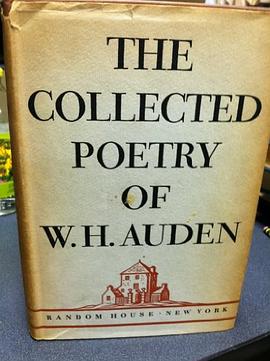
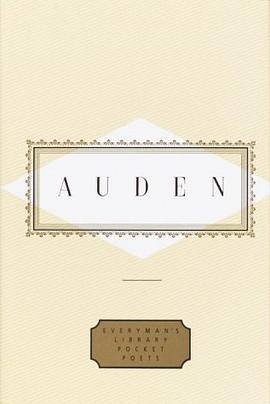
To commemorate the centennial of W. H. Auden's birth, the Modern Library offers this elegant edition of the collected poems of one of the greatest poets of the twentieth century. This volume includes all the poems that Auden wished to preserve, in a text that includes his final revisions, with corrections based on the latest research. Auden divided his poems into sections that corresponded to what he referred to as chapters in his life, each one beginning with a change in his inner life or external circumstances: the moment in 1933 when he first knew "exactly what it means to love one's neighbor as oneself"; his move from Britain to America in 1939; his first summer in Italy in 1948; his move to a summerhouse in Austria in 1958; and his return to England in 1972. Auden's work has perhaps the widest range and the greatest depth of any English poet of the past three centuries. From the anxious warnings of his early verse through the expansive historical perspectives of his middle years to the celebrations and thanksgiving in his later work, Auden wrote in a voice that addressed readers personally rather than as part of a collective audience. His styles and forms extend from ballads and songs to haiku and limericks to sonnets, sestinas, prose poems, and dozens of other constructions of his own invention. His tone ranges from spirited comedy to memorable profundity-often within the same work. His poems manage to be secular and sacred, philosophical and erotic, personal and universal. "All the poems I have written were written for love," Auden once said. This book includes his famous early poems about transient love ("Lay your sleeping head, my love," "Stop all the clocks, cut off the telephone") and his later poems about enduring love ("In Sickness and in Health," "First Things First"). The book also includes Auden's longer, more thematically varied poems, from the expressionist charade "Paid on Both Sides" to the formal couplets of "New Year Letter"; the darkly comic sequel to The Tempest, "The Sea and the Mirror"; and a baroque eclogue set in a wartime bar, "The Age of Anxiety." This new edition includes a critical appreciation of Auden by Edward Mendelson, the editor of the present volume and Auden's literary executor. "W. H. Auden had the greatest gifts of any of our poets in the twentieth century, the greatest lap full of seed."-James Fenton, "The New York Review of Books" "At the beginning of the new century, Auden] is an indispensable poet. Even people who don't read poems often turn to poetry at moments when it matters, and Auden matters now."-Adam Gopnik, "The New Yorker"
作者简介
目录信息
读后感
用户评价
这本诗集读下来,感觉就像是跟着一位技艺精湛的匠人,在时间的洪流中仔细打磨着每一块璞玉。诗人的笔触细腻而克制,绝非那种歇斯底里的情感宣泄,而是如同在微风拂过湖面时,观察水波的细微颤动,然后用最精准的词语将其捕捉下来。我特别欣赏他对于自然意象的运用,那些关于山峦、河流、以及季节更替的描摹,不仅仅是简单的风景速写,它们似乎成为了某种深层哲思的载体。比如,有一组关于“冬日枯枝”的组诗,起初读来只觉得萧瑟,但反复品味后,才发现那枯寂之中蕴含着对生命韧性的深刻洞察,那种“静默的等待”比任何热烈的赞美都更有力量。他的韵律感处理得非常巧妙,时而如古典乐章般严谨工整,时而又像自由爵士般灵动跳跃,这种对节奏的把控,让阅读过程充满了音乐性,即使是晦涩的意象,也能被流畅的节奏所引导,直抵人心。读完后,留下的不是喧嚣的余音,而是一种深沉的、需要时间来慢慢消化的宁静感。
这套诗集无疑属于那种需要时间来“陈化”的作品。它的初读体验可能不会立刻带来强烈的惊艳感,因为它不像流行歌曲那样追求即时的悦耳,而更像是需要细细品鉴的陈年佳酿。它的魅力在于其内在的逻辑自洽和情感的层层递进。我观察到,诗人似乎对“界限”这个概念有着极大的兴趣——物质与精神的界限、清醒与梦境的界限、生与死的界限。他不断地在这些边界线上游走、试探,并且用他那冷静而略带嘲讽的语调,解构了我们对这些界限的固有认知。尤其是在探讨艺术创作本身的那几首诗中,展现出了一种罕见的自我审视的勇气,他没有把自己塑造成一个高高在上的诗人形象,反而将创作过程中的挣扎、自我怀疑,甚至是一些近乎“徒劳”的努力,都坦诚地展现在读者面前。这种坦诚,建立起了一种强烈的信任感,使得读者愿意跟随他进入更深、更暗的内心世界。
这本书的结构安排令人印象深刻,它不是按照时间顺序或主题分类来编排,更像是一场精心设计的迷宫,引导读者在不同的情感空间中穿梭。从开篇那种略带疏离的观察视角,到中间部分突如其来的情感爆发,再到结尾处近乎于宗教般的超脱与和解,整个阅读体验形成了一个完整的弧线。我特别喜欢其中几首运用了大量古代神话意象的作品,它们没有落入陈旧的窠臼,而是将古老的叙事与现代的焦虑巧妙地嫁接在一起,产生了一种跨越时空的共鸣。比如,诗人描述“镜中自我”的篇章,其构建的意象层层递进,从简单的镜像反射,上升到对身份认同的哲学思辨,那种复杂和精巧,需要反复阅读才能完全解构。它没有刻意追求晦涩难懂,而是让意象的密度自然而然地达到了很高的水平,每一次重读都会解锁新的层次。这本诗集对语言的驾驭能力,体现了一种近乎于建筑学上的精准。
说实话,我通常不太追捧那些过于“宏大叙事”的诗歌,总觉得容易流于空泛。但这本书打破了我的偏见。它虽然谈论的议题很广——从个体情感的细微波动,到对人类文明命运的关怀——但它始终牢牢扎根于“具体”的经验之中。诗人的笔法非常接地气,即便是描述那些看似形而上的主题,也总能找到一个坚实的锚点,比如一张旧照片、一次偶然的谈话、甚至是一件磨损的家具。这种处理方式,让那些“大问题”变得可以触摸、可以感知。最让我心神震动的是那些关于“失语”的描绘,诗人通过对沉默的细致刻画,反而凸显了言语的局限与力量。他似乎在说,真正重要的东西,往往是无法用我们已有的词汇完全表达的。这使得整部作品具有一种强烈的“留白”美学,留给读者巨大的解释和感受空间,而非强行灌输作者的观点。
我必须承认,一开始被这本书的封面吸引,那是一种非常克制的、近乎于黑白摄影的质感,预示着内容的严肃性。然而,深入阅读后,我发现其内在的情感张力远超预期的强度。这套诗作更像是一部未曾言明的私人日记,充满了对存在本质的诘问与反思。有些篇章读起来非常“沉重”,它们没有提供任何安慰剂或简单的答案,而是直面了人性的幽暗角落——那些我们日常生活中试图忽略的矛盾、失落和无解的困境。诗人的语言风格极其具有画面感和触感,你仿佛能闻到雨后泥土的气息,感受到粗粝麻布的摩擦。特别是一些关于记忆与时间流逝的探讨,写得极其尖锐,毫不留恋地撕开了表象,直击核心的虚无感。这绝不是那种适合在咖啡馆里轻松翻阅的读物,它需要你全身心地投入,甚至要准备好迎接一些不适的感受。但正是这种毫不妥协的真诚,使得它在当代诗坛中显得尤为珍贵,它逼迫你思考:“我到底是谁?我所感知的一切是否真实?”