
具体描述
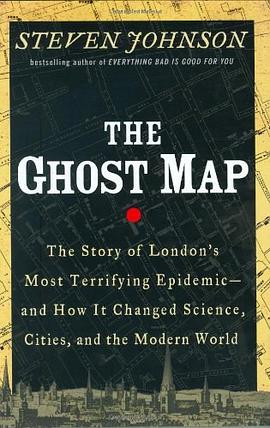
A thrilling historical account of the worst cholera outbreak in Victorian London-and a brilliant exploration of how Dr. John Snow's solution revolutionized the way we think about disease, cities, science, and the modern world. <br/><br/> From the dynamic thinker routinely compared to Malcolm Gladwell, E. O. Wilson, and James Gleick, The Ghost Map is a riveting page-turner with a real-life historical hero that brilliantly illuminates the intertwined histories of the spread of viruses, rise of cities, and the nature of scientific inquiry. These are topics that have long obsessed Steven Johnson, and The Ghost Map is a true triumph of the kind of multidisciplinary thinking for which he's become famous-a book that, like the work of Jared Diamond, presents both vivid history and a powerful and provocative explanation of what it means for the world we live in. <br/><br/> The Ghost Map takes place in the summer of 1854. A devastating cholera outbreak seizes London just as it is emerging as a modern city: more than 2 million people packed into a ten-mile circumference, a hub of travel and commerce, teeming with people from all over the world, continually pushing the limits of infrastructure that's outdated as soon as it's updated. Dr. John Snow-whose ideas about contagion had been dismissed by the scientific community-is spurred to intense action when the people in his neighborhood begin dying. With enthralling suspense, Johnson chronicles Snow's day-by-day efforts, as he risks his own life to prove how the epidemic is being spread. <br/><br/> When he creates the map that traces the pattern of outbreak back to its source, Dr. Snow didn't just solve the most pressing medical riddle of his time. He ultimately established a precedent for the way modern city-dwellers, city planners, physicians, and public officials think about the spread of disease and the development of the modern urban environment. <br/><br/> The Ghost Map is an endlessly compelling and utterly gripping account of that London summer of 1854, from the microbial level to the macrourban-theory level-including, most important, the human level.
作者简介
作者:史蒂芬·约翰逊是八本书的作者,涵盖科学 、技术、个人理念各个方面。他同时也是三个有影响力网站的联合创始人:在线杂志网站 FEED,荣获威比奖(Webby Awards)网站Plastic.com,以及超本地( hyperlocal )媒体网站 http://outside.in/ 。他是《连线》的编辑,他经常为《纽约时报》《华尔街日报》《金融时报》以及其他杂志撰稿。乔森还为一些互联网相关的企业担任咨询顾问,包括Medium,Atavist,Meetup.com, Betaworks, 与 Patch.com。 他是Where Good Ideas Come From 、The Ghost Map、Future Perfect的作者。
译者:熊亭玉,大学英语讲师。已出版《人类的故事》《奥兹国的滴答人》、《高老头》《神马和男孩》(以上为独译)。《孤独星球·土耳其》《孤独星球·欧洲》、《安徒生童话精选》《东南亚研究》《牛虻》等图书。韩素音翻译大赛英译汉优秀奖获得者。
目录信息
读后感
正如书名所言,这本书讲述的是1854年爆发的伦敦瘟疫如何重塑今天的城市和世界,其中共有四个主角,即一种致命病菌、一个大城市以及两个才能卓越的人, 在正文之前,作者引用了本雅明《论历史哲学》中的一段话,讲的是克利一幅名为“新天使”的画作。本雅明写道:“这就是人们心...
撰文 | 龙晓燕 责编 | 叶水送 ● ● ● 读过大侦探夏洛克·福尔摩斯故事的人,可能对贝克街不会陌生。在伦敦,还有另一有名的街道布劳德大街(现布劳维克大街),它与「神探」约翰·斯诺(John Snow)关系密切,与福尔摩斯不同的是,斯诺的「案场」 不是凶杀案现场,而是疾病聚...
霍乱起源于印度恒河三角洲地区,19世纪非常流行,从1817年到1896年共有五次大规模的爆发,范围从印度扩展到亚洲其他地方和欧洲,又进一步殃及非洲和美洲,造成了全球性的混乱。英国第一次爆发霍乱是在1831年,大概夺走了5万多人的性命;第二次流行则是在1848年,死亡人数也基本...
用户评价
《幽灵地图》——单是这个名字,就足以在我脑海中勾勒出一幅幅引人遐想的画面。我猜想,它可能是一张记录着那些我们肉眼看不见的、却真实存在于我们周围的“幽灵”的地图。这些“幽灵”或许是某个事件留下的痕迹,或许是某个时代的回响,又或许是人类集体潜意识的投射。无论它们具体是什么,这本书都似乎在邀请我踏上一次深入探索的旅程,去发现那些被隐藏在表象之下的真相。我期待作者能够以一种独特而富有诗意的方式,将这些抽象的概念具象化,用生动的故事和细腻的描写,为我们展现一个充满神秘感的世界。我喜欢那些能够挑战我的认知,让我从新的角度去审视世界的作品,而《幽灵地图》的名字,恰恰预示着它具备这样的潜力。它让我感到好奇,也让我感到兴奋,仿佛我即将打开一扇通往未知世界的大门,而门后的风景,定然是精彩纷呈的。
从拿到《幽灵地图》的那一刻起,我就被一种无形的吸引力所笼罩。我通常是比较挑剔的读者,对于那些情节老套、人物单薄的书籍很难产生真正的兴趣。然而,《幽灵地图》在我的书架上占据了一席之地,并非仅仅因为它的名字,而是它所散发出的那种独特的、难以言喻的气质。它让我联想到那些经典的侦探小说,那些在黑暗中摸索线索,一步步逼近真相的过程。但我同时也感到,这本书的“幽灵”可能并非仅仅指向鬼魂或超自然现象,它更可能是一种象征,象征着那些被遗忘的、被忽视的、或者隐藏在历史尘埃中的事物。我对作者如何将“幽灵”与“地图”这两个概念巧妙地融合在一起感到非常好奇。究竟是一张指引我们穿越时空的地图?还是一张描绘着人类情感深处幽灵的地图?或者,这仅仅是一个比喻,用来形容某种难以捉摸的真相或集体记忆?这些问题在我脑海中萦绕,让我更加期待深入阅读,去探寻作者想要传达的真正含义。我喜欢那些能够挑战我思维定势,让我从新的角度去看待世界的作品,而《幽灵地图》似乎就具备这样的潜力。我设想,这本书可能会是一次对过去的回溯,也可能是一次对未来的预言,无论如何,它都将是一次引人入胜的智力冒险。
《幽灵地图》这个书名,给我一种难以言喻的吸引力。它不像一些畅销书那样,用醒目的颜色和夸张的字体来吸引眼球,而是用一种低调而充满暗示性的方式,悄悄地叩击着读者的心门。我对“幽灵”这个词的联想非常广泛,它可以是鬼魂,也可以是某种精神的残留,或者是一种被遗忘的记忆。而“地图”则代表着方向、探索和指引。将两者结合在一起,就构成了一个极具张力的概念。我猜想,这本书可能是在描绘一个关于寻找、关于解开谜团的故事,而这个谜团可能与过去紧密相连。它或许讲述的是一张隐藏着秘密的地图,一张只有在特定条件下才能被解读的地图,而解读这张地图的过程,则像是在追寻一个已经消逝的“幽灵”。我期待作者能够运用细腻的笔触,构建一个充满氛围感的场景,让我在阅读时能够身临其境。我想象着,在这张“幽灵地图”的指引下,我将跟随主人公穿梭于迷宫般的城市,或者潜入历史的阴影之中,去揭开一个又一个令人着迷的秘密。这本书的潜力是无穷的,它可以在历史、悬疑、甚至心理学等多个领域找到共鸣,这让我对它的内容充满了期待。
当我第一次看到《幽灵地图》的书名时,我的脑海中立刻涌现出一种奇妙的联想。它似乎暗示着某种超越我们日常经验的存在,某种潜藏在现实世界之下的、不易察觉的层面。我常常在想,那些我们看不到、听不到,但却能真切感受到它们影响的事物,它们究竟隐藏在哪里?它们又是如何存在的?“幽灵”二字,正是对这种神秘和难以名状的境况的绝佳比喻。而“地图”则提供了一个框架,一个可以用来理解和导航这些神秘事物的工具。我猜测,这本书可能是在尝试绘制一张无形的地图,一张记录着那些被遗忘的、被忽视的,或者仅仅是被我们忽略的,却依然在影响着我们生活的“幽灵”的地图。它或许会带领我走进那些我们不曾注意过的角落,揭示那些隐藏在寻常事物背后的深刻联系。我尤其期待作者如何将抽象的概念具象化,如何用生动的故事和细腻的描写,为这些“幽灵”赋予形体,为这张“地图”增添色彩。这本书的名字让我感到既好奇又兴奋,它预示着一次深入探索的旅程,一次对我们所处世界的更深层理解的追求。
我一直对那些能够带领读者进入历史深处,挖掘被遗忘故事的作品抱有极大的兴趣。《幽灵地图》这个书名,在我看来,就蕴含着一种历史的厚重感和神秘感。它不像那些直白的标题那样直接揭示内容,而是留下了足够的想象空间,让我去猜测其中可能包含的秘密。我脑海中浮现出许多可能性:它或许是一张记录了某个城市在特定历史时期,隐藏在街头巷尾、不为人知的事件的地图。这些事件,如同幽灵一般,虽然已经过去,却可能在某种程度上影响着现在的世界。或者,它可能是一张描绘着人类集体潜意识的地图,那些隐藏在文化、传说、甚至是心理层面的“幽灵”被一一揭示。我特别期待作者如何处理历史的细节,如何将那些零散的、可能被忽略的线索编织成一个引人入胜的故事。我希望它能像一位经验丰富的导游,带领我在历史的长河中穿梭,让我看到那些被时间掩埋的真实面貌。这本书的名字本身就给我一种“寻宝”的感觉,而宝藏则可能是那些被遗忘的历史真相、被忽视的社会现象,甚至是关于人类自身存在的深刻洞见。我准备好迎接它可能带来的震撼和启迪。
当我第一次听到《幽灵地图》这个书名时,我的内心深处涌起了一股难以抑制的期待。它唤起了一种古老而神秘的氛围,仿佛一张古籍中绘制的、指向未知世界的地图,而这张地图的绘制者,则是一位能够捕捉到“幽灵”存在的艺术家。我常常认为,真正的故事往往隐藏在那些难以捕捉的、稍纵即逝的瞬间,隐藏在那些我们用理性难以解释的现象背后。“幽灵”似乎就是对这些事物的绝佳概括。而“地图”则提供了一个框架,一个让我们能够去理解、去导航这些“幽灵”存在的工具。我猜测,这本书可能会讲述一个关于寻找、关于揭开真相的故事,而这张“幽灵地图”可能是故事的核心线索。我希望作者能够运用精湛的叙事技巧,构建一个引人入胜的情节,让我能够在阅读的过程中,不断地被书中描绘的世界所吸引,并且能够感受到一种抽丝剥茧的乐趣。这本书的名字,就像一个邀请,邀请我去探索那些被隐藏在现实世界之下的、更加广阔和神秘的领域。
《幽灵地图》这个书名,对我来说,是一种独特的召唤。它似乎在低语着古老的故事,隐藏着不为人知的秘密。我一向对那些能够将历史、神秘和地理元素巧妙结合的作品情有独钟,而《幽灵地图》恰恰给人一种这样的感觉。我脑海中浮现出的,可能是一张记录了某个城市在不同历史时期留下的“幽灵印记”的地图。这些“印记”或许是某个事件的残余,或许是某个时代的精神缩影,它们如同幽灵一般,虽然难以捉摸,却无时无刻不在影响着当下。我期待作者能够以细腻的笔触,将那些历史的碎片,那些被时间遗忘的角落,用一种引人入胜的方式呈现出来。我希望它能像一张真正的地图一样,指引我穿梭于历史的迷宫,让我能够看到那些隐藏在繁华表面之下的真实。这本书的名字,预示着一次深入的探索,一次对未知和历史真相的追寻,这正是吸引我的地方。我准备好跟随这张“幽灵地图”,踏上一段充满惊喜的阅读旅程。
当我第一次在书架上看到《幽灵地图》时,我的目光就被它深深吸引。那个名字,就像一个精心设计的谜语,立刻勾起了我的好奇心。它既有“幽灵”带来的神秘感和超现实感,又有“地图”所代表的方向感和探索性。我立刻开始想象,这本书究竟会带我走向何方?它会讲述一个关于鬼魂的故事吗?还是一个关于被遗忘的历史事件的地图?亦或是,它是在描绘一种更深层次的、关于人类内心深处情感或记忆的“地图”?我非常喜欢那些能够引发读者思考,同时又保持一定悬念的作品。这本书的名字似乎就完美地符合了这一点。它没有直接揭示故事的核心,而是留下了一片广阔的想象空间,让读者自行去填补。我期待作者能够构建一个引人入胜的情节,让我在阅读过程中能够不断地猜测和推理,并且最终能够被书中展现出的世界所折服。我预感,这会是一次令人难忘的阅读体验,一次关于探索未知、揭示真相的精彩旅程。
《幽灵地图》这本书,当我在书店里第一次瞥见它的时候,就被它的名字深深吸引了。总有一种神秘的、难以捉摸的东西在“幽灵”二字中若隐若现,而“地图”则暗示着一个旅程,一个探索,一个揭示未知的路径。我脑海中立刻浮现出各种画面:尘封的古籍中绘制着神秘符号的地图,指向失落的宝藏;或者是在浓雾弥漫的夜晚,一张手绘地图引导着主人公穿梭于危机四伏的城市之中。这种对未知的好奇心,以及对隐藏在表面之下的真相的渴望,促使我毫不犹豫地将它放进了购物车。我对于这类能够激发想象力,同时又带着一丝悬疑色彩的书籍总是情有独钟。在快节奏的生活中,能够沉浸在一个完全不同的世界里,跟随作者的笔触去探索一个未知的领域,对我来说是一种极大的慰藉和享受。我期待这本书能带我进入一个充满惊喜和启发的旅程,让我能够暂时忘记现实的烦恼,专注于书中构建的那个独特的世界。这本书的书名本身就传递了一种强烈的预示感,仿佛在邀请读者去解开一个古老的谜团,或者去发现一个被遗忘的历史片段。它的封面设计也同样引人遐想,也许是深邃的蓝色背景,上面勾勒出模糊不清的城市轮廓,又或者是一张泛黄的纸张,上面绘制着复杂的线条和标志。无论具体是什么样的视觉呈现,它都成功地在我心中播下了好奇的种子,让我迫不及待地想翻开它的第一页。
《幽灵地图》这个书名,给我一种莫名的熟悉感,仿佛它触碰到了我内心深处某个被遗忘的角落。我一直认为,许多故事的魅力就藏在那些含蓄而富有诗意的名字里,而《幽灵地图》无疑就是其中之一。它不直接告诉你故事是什么,而是用一种引人入胜的方式,激发你去想象,去猜测。我脑海里勾勒出的是一幅画面:一张古老、泛黄的地图,上面绘制着错综复杂的线条和符号,而这些线条和符号,却并非指向具体的地点,而是指向那些存在于传说、记忆、甚至梦境中的“幽灵”。也许,这本书是在讲述一个关于寻找失落的记忆,或者解开历史谜团的故事,而这张“幽灵地图”就是贯穿始终的关键线索。我期待作者能够营造一种独特的氛围,一种既有历史的厚重感,又有神秘的悬疑感的氛围。我希望在阅读的过程中,我能够感受到一种抽丝剥茧的乐趣,能够跟随作者的笔触,一步步地揭开隐藏在“幽灵地图”背后的真相。这本书的名字,就像是一扇通往未知世界的大门,而我迫不及待地想要推开它,去探索门后的奥秘。
挺有教育意义的,让我对原本一无所知的一段历史有了一定的了解。一些在我们今天看来觉得理所当然的理论在当时遭遇了多大的困难,科学之路是艰辛的。坚持不懈的努力和让事实(数字)说话是多么重要。另一方面,城市的爆发性增长和全球化进程是有让人担忧的理由的——气候、传染病、恐怖袭击,我们招架得住吗?
stories of disaster
挺有教育意义的,让我对原本一无所知的一段历史有了一定的了解。一些在我们今天看来觉得理所当然的理论在当时遭遇了多大的困难,科学之路是艰辛的。坚持不懈的努力和让事实(数字)说话是多么重要。另一方面,城市的爆发性增长和全球化进程是有让人担忧的理由的——气候、传染病、恐怖袭击,我们招架得住吗?
我蛮喜欢的一本。由伦敦霍乱为背景,在流行疾病的恐慌下,人类是如何有效数据和合理分析是如何推动人类文明建立起了看似不可思议的系统。
方法论教学的好材料