
具体描述
INTRODUCTION
The world is flat. Or so the thinking went, until someone actually went off to circumnavigate it. You may not make such a colossal discovery during your own global journey, but what awaits you "out there" is something only you can find: your very own adventure. Beyond your part of the planet lie mountain ranges with echo-bending canyons, tangled jungles, deserts that stretch into sanguine sunsets and yellow savannah veiling lions, wildebeest and springbok. There are retina-burning white beaches tapering off into vodka waters that serve as a playground for dolphins, turtles and manta rays. Not to mention over 6000 languages, countless botanical wonders, architectural masterpieces and geological anomalies. All that is already out there. The decision to find it is yours.
My own plan was to walk out the front door, head to Florida and try to hitchhike on yachts to South America - all on a budget stretched tighter than Liz Taylor's forehead. Without getting into details, my yacht-hitching scheme only got me as far as the Virgin Islands. And the only reason I made it that far was because I flew there. (Turned out I was trying to hitch south during hurricane season, when all the boats were headed north or into safe harbours.) This start, however rocky, did launch me on a two-and-a-half-year trip that forever changed my life. And not just because it ended with a car accident in Bangkok, which left me in the unfortunate position of having a broken ankle and amoebic dysentery - a tragic combination of constantly having to go to the loo, and never being able to get there quickly enough.
Before I get ahead of myself, though, I just want to assure you this book is not going to try to persuade you to travel, nor make grandiose assertions that stomping around the planet with a coated-nylon pack will somehow fulfil whatever may be missing from your life. Travel is an urge best cultivated from within. In fact, one of the biggest favours you can do for yourself is to travel if and when you're ready, not when someone else thinks you should. The more eager you are to open yourself up to life on the road, the more willing you are to embrace the unknown rather than sign up for a pre-packaged air-conditioned experience, the more likely you are to reap real rewards.
Believe it or not, nearly anyone can get around the world in one piece (or in my case, two), and I'd be lying if I told you that you needed this book to come back alive. However, the down side to blindly winging it is that you'll make mistakes, some potentially dangerous, many costly and some just plain embarrassing. By the time you get through the first section of this book, you should be savvy enough to chart an itinerary for your trip and avoid nearly all the snares that await you. With a glimpse of life on the road, a feel for the essentials, and by addressing a number of travel's most testing issues ahead of time, you'll be well on your way.
The regional profiles in the second part of the book tell you what it costs to get around, how long it'll take to cross the various landmasses and if there are any rail, bus or air passes you may wish to buy ahead of time to make things cheaper and more convenient. You'll notice we took some liberties in dividing up the world into eight regions: North America, for instance, normally includes Mexico, but because of popular overland routes, a shared language and its latitude, it has been placed in the Central America and the Caribbean section. The regional maps are meant to provide ballpark estimates of the times and costs of overland travel on common routes. They are by no means instructing you to take such routes (it's always better to find your own way), nor are they completely accurate, since prices change, exchange rates fluctuate and delays do occur, particularly in less-developed regions.
Of course, you'll want more specific information eventually, either from websites or publications listed in the Basics section at the end of this book or from your guidebook once you arrive. But at this point, much more information than what you'll find provided here will bog down your planning process instead of helping it along. And remember that there's such a thing as too much planning. One of the greatest thrills of travel is trying to make your way between two points by the least travelled, most arduous route, chancing rides and roads and climates as you go.
作者简介
目录信息
读后感
用户评价
这本书简直是为我这种毫无头绪的“世界漫游新手”量身定做的!我拿到手的时候,心里那个踏实啊,感觉就像身边立刻多了一个经验丰富、知识渊博的老朋友,随时准备给我支招。它最让我欣赏的一点是,它没有那种高高在上、只针对豪华旅行者的腔调,而是非常接地气地探讨了“第一次”会遇到的所有尴尬、恐惧和实际操作上的难题。比如,我之前还在纠结怎么预定那些小众的、非连锁的青年旅社,这本书里就有专门的章节,手把手教你如何识别靠谱的住宿,甚至提到了在不同文化背景下,如何巧妙地通过邮件或电话进行沟通,避免被宰。更别提那部分关于“如何打包”的建议,简直是救命稻草!我原本塞满了各种“以防万一”的衣物,读完之后才明白,轻装上阵才是王道,它清晰地列出了不同气候和旅行时长的必需品清单,让我立刻明白哪些东西可以果断放弃,减轻行李负担。而且,它对“文化冲击”的处理也极其细腻,没有用那种居高临下的口吻批判当地习俗,而是用一种理解和尊重的角度,教我们如何做一个受欢迎的、不冒犯他人的旅行者。这种细致入微的关怀,让原本对未知世界充满忐忑的我,瞬间充满了探索的勇气和对未来的期待。
我必须承认,在购买这本书之前,我对“如何建立可持续的旅行节奏”感到非常迷茫。我总担心自己会因为过度兴奋而“玩坏了”,或者因为长时间的奔波而提前耗尽热情。这本书对此提供了一个非常人性化的解决方案。它花了很大篇幅讨论“慢旅行”的哲学,并提供了实用的策略,比如如何在一个城市停留更久,如何找到当地人才知道的“第三空间”(既不是景点也不是酒店的休息场所),以及如何保持与家人朋友的有效联系而不至于感到孤立。它强调的重点是“体验深度”而非“打卡广度”,这一点与当前许多追求效率的旅行指南截然不同。此外,关于“个人安全与心理健康”的部分,写得尤为深刻。它不仅仅是让你锁好钱包,更是探讨了长期旅行中可能出现的孤独感、身份认同危机,并提供了自我调节的工具和方法,比如如何利用日记或找到旅行中的社群。这种对旅行者“内在世界”的关注,让这本书超越了一般的实用手册,更像是一本陪伴心灵成长的向导书,让人明白,这次环球旅行,既是对世界的探索,更是对自己潜能的深度挖掘。
这本书的结构设计堪称精妙,它没有按照地域来划分(比如A国-B国),而是按照“旅行阶段”来组织内容,这非常符合一个新手从准备到启程再到归来的心路历程。第一个部分是关于“启动阶段”的行政手续和心理建设,中间部分是关于“执行阶段”的交通、住宿、饮食的战术指导,而收尾部分则是关于“回顾与整合”——如何处理旅行带回的照片、纪念品,以及如何将这次经历融入到未来的生活中去。这种“时间轴”式的编排,让读者可以根据自己目前所处的阶段,迅速找到最需要的信息,避免了被海量资料淹没的窘境。尤其值得称赞的是,它在讨论交通工具时,平衡了速度与体验,比如,它会详细对比长途大巴、廉价航空和火车的优劣,并告诉你如何在时间和预算之间做出最优选择,而不是盲目推荐最快的那个。它的推荐是基于“第一次”旅行者最可能遇到的制约因素来考虑的,充满了体谅与智慧。总而言之,这是一本让你在动手实践之前,就能预先体验一次完整旅程的书,它提供的安全感和知识储备,是任何线上攻略都无法比拟的厚重感。
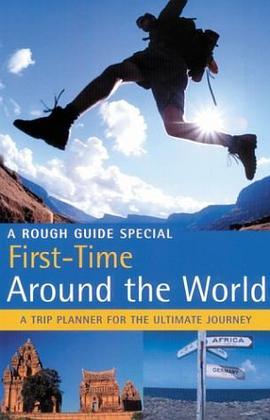
说实话,我原本以为这种“新手指南”会充斥着那些老生常谈、在任何旅游博客上都能找到的浅薄信息,但《The Rough Guide to First-Time Around the World》完全颠覆了我的预期。它在处理“预算与财务管理”这一块,简直是教科书级别的存在。我之前在网上看到的攻略,大多只是简单地告诉你“去东南亚要省钱”,但这本书深入到了如何开设多币种账户、如何应对汇率波动,甚至提到了在边境口岸用现金兑换的最佳时机和地点。它提供了一套完整的“风险评估矩阵”,告诉你哪些花费是必须投入的(比如可靠的保险和紧急医疗),哪些是可以灵活削减的(比如昂贵的市内交通),这种量化的分析,让我对整个环球旅行的财务规划有了一个清晰的蓝图。此外,它对“技术工具”的推荐也极其前沿和实用,推荐的App不仅限于导航,还包括了离线翻译、紧急联络以及如何安全地使用当地的移动网络,这些细节往往是资深背包客才会掌握的“独门秘籍”,但它毫不保留地分享了出来,这对于信息闭塞的初次旅行者来说,无疑是巨大的帮助。阅读过程中,我感觉自己不再是一个被动接受信息的游客,而是一个开始学习如何精明“运营”自己旅程的管理者。
这本书的叙事风格非常特别,它没有采用那种严肃的学术报告口吻,而是更像一位充满激情的导师在跟你分享他跌宕起伏的亲身经历。在介绍如何应对突发状况时,它穿插了大量“我差点把护照弄丢在XXX”或者“我被骗子盯上的那次经历”的小故事。这些故事不是为了渲染戏剧性,而是为了让你在轻松的阅读中,无形中学会识别潜在的危险信号。例如,关于如何处理旅行中生病的问题,它不仅告诉你去哪里看医生,还详述了在不同国家,医疗系统的运作模式和保险理赔的流程差异,这比单纯罗列医院地址要实用得多。让我印象深刻的是,它用一种近乎幽默的笔调描述了“文化误解”带来的尴尬时刻,比如在某个国家,一个看似友好的手势在当地却是极大的冒犯。通过这些具体、生动的案例,读者能够提前在心理上做好准备,学会带着谦逊和好奇心去观察和适应,而不是带着刻板印象去评判。这种寓教于乐的方式,让那些原本令人紧张的“安全与健康”章节,也变得引人入胜,读起来毫不枯燥。
one of the best RTW intro books!
one of the best RTW intro books!
one of the best RTW intro books!
one of the best RTW intro books!
one of the best RTW intro books!