
具体描述
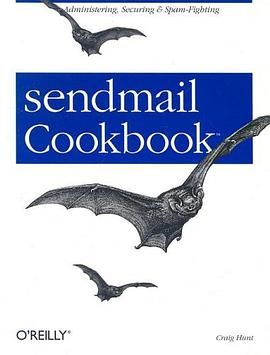
More often than not, the words "sendmail configuration" strike dread in the hearts of sendmail and system administrators--and not without reason. sendmail configuration languages are as complex as any other programming languages, but used much more infrequently--only when sendmail is installed or configured. The average system administrator doesn't get enough practice to truly master this inscrutable technology. Fortunately, there's help. The sendmail Cookbook provides step-by-step solutions for the administrator who needs to solve configuration problems fast. Say you need to configure sendmail to relay mail for your clients without creating an open relay that will be abused by spammers. A recipe in the Cookbook shows you how to do just that. No more wading through pages of dense documentation and tutorials and creating your own custom solution--just go directly to the recipe that addresses your specific problem. Each recipe in the sendmail Cookbook outlines a configuration problem, presents the configuration code that solves that problem, and then explains the code in detail. The discussion of the code is critical because it provides the insight you need to tweak the code for your own circumstances. The sendmail Cookbook begins with an overview of the configuration languages, offering a quick how-to for downloading and compiling the sendmail distribution. Next, you'll find a baseline configuration recipe upon which many of the subsequent configurations, or recipes, in the book are based. Recipes in the following chapters stand on their own and offer solutions for properly configuring important sendmail functions such as: Delivering and forwarding mail Relaying Masquerading Routing mail Controlling spam Strong authentication Securing the mail transport Managing the queue Securing sendmail sendmail Cookbook is more than just a new approach to discussing sendmail configuration. The book also provides lots of new material that doesn't get much coverage elsewhere--STARTTLS and AUTH are given entire chapters, and LDAP is covered in recipes throughout the book. But most of all, this book is about saving time--something that most system administrators have in short supply. Pick up the sendmail Cookbook and say good-bye to sendmail dread.
作者简介
目录信息
读后感
用户评价
关于性能调优和故障排查的部分,是我决定购买这本书的重要驱动力之一。Sendmail 作为一个历史悠久的MTA,其性能瓶颈往往隐藏在深层队列管理和资源分配中。我期待这本书能揭示诸如 `QueueFileSortOrder` 的优化点,或者在多核系统上如何合理分配进程池,以应对突增的邮件流量。更关键的是,我希望看到一章专门讲解如何解读 Sendmail 的日志文件,特别是那些晦涩难懂的错误代码(如`deferred`或`tempfail`背后的真正原因)。我期望的“Cookbook”能提供一份详尽的“症状与疗法”对照表:当日志显示X时,检查Y和Z参数;如果仍未解决,尝试修改A宏的B设置。遗憾的是,这本书在这方面的叙述显得比较简略,更多是泛泛而谈,并没有提供那种“一旦发生,立即执行”的应急手册感。它更像是在描述理论上的可能性,而不是提供经过上万次测试验证的、立竿见影的解决方案。
这本书,说实话,我拿到手的时候,心里的期待值是爆炸性的。《Sendmail Cookbook》,这个名字本身就带着一种古典的、权威的韵味,仿佛能立刻带你进入那个邮件系统配置的深邃迷宫,并且还能提供一份清晰的地图和美味的食谱。我当时最迫切想解决的问题,是关于复杂的路由规则和安全策略的定制化,尤其是在处理带有特定头信息或来自非标准端口的邮件流时,Sendmail 的配置总像是裹着一层迷雾。我期待着书里能有大量实战中遇到的疑难杂症的解决方案,比如如何优雅地实现基于内容的邮件重写,或者在不影响整体性能的前提下,细致入微地调整垃圾邮件过滤链条。理想中的“Cookbook”应该是那种,你遇到一个具体问题,翻开对应章节,啪一下就能找到那个精确到字符的配置片段,然后根据提示进行微调,问题立刻迎刃而解。我希望它不仅仅是功能的堆砌,更是一种思维方式的传授,让我理解配置背后的逻辑,而不是死记硬背那些复杂的宏定义。那种感觉,就像是拥有了一位经验丰富的老系统工程师在你身边,随时准备为你把脉问诊,提供最地道、最不易出错的“家传秘方”。
总而言之,这本《Sendmail Cookbook》在我看来,更像是一份扎实的、面向初学者的参考手册,而非一本给资深工程师解决复杂生产问题的“秘籍”。它的优点在于系统性和完整性,能够帮助新手构建起对 Sendmail 整体架构的认知框架。但是,对于那些已经在 Sendmail 环境中摸爬滚打多年,正在寻求突破性能瓶颈、应对高级安全威胁或者定制极其特殊路由逻辑的专业人士来说,这本书提供的增量价值是有限的。它缺少那种尖锐的、直击要害的、能够立刻转化为生产力提升的具体“配方”。最终,我发现自己还是得回到那些古老的邮件列表档案和社区论坛中,去搜寻那些真正解决了我当下燃眉之急的、充满汗水和血泪的配置片段。这本书提供的是蓝图,但缺少的是施工现场的工具箱。
深入阅读后,我开始留意它在安全加固方面的论述。在今天的邮件环境中,如何防御蠕虫、如何实现DKIM/SPF/DMARC的完美集成,是至关重要的课题。我对书中关于如何利用正则表达和内容检查模块(如Milter接口)来构建多层防御体系抱有极高的期望。我特别关注是否有针对最新零日漏洞的防御性配置建议,或者对于现代加密协议(如STARTTLS的强制执行和最佳实践)的详细说明。然而,这里的描述似乎停留在了一个相对早期的阶段。它提到了基础的访问控制列表(ACLs),但对于如何在高并发、高攻击压力的环境下优化这些规则的性能,缺乏深入的探讨。比如,如何平衡安全性和邮件传递速度,如何使用缓存机制来减轻ACL检查的负载,这些是真正体现“Cookbook”精髓的地方。这本书对于“如何配置”的解答,显得有些教科书式,少了一些“如何在真实世界中高效运行”的狡黠和经验,让我觉得它更像是冷战时期的配置指南,而非面向云原生和DevOps时代的实战宝典。
当我翻开内页,试图寻找那种直击痛点的“秘籍”时,感到的却是略微的失落与困惑。这本《Sendmail Cookbook》给我的第一印象是,它似乎更侧重于对 Sendmail 基础架构的宏大叙事和历史沿革的梳理,而非我所期待的那种“即插即用”的实操指导。我原本期望看到的是大量的 `dm`、`sm`、`cP` 这些关键宏在特定场景下的精妙运用范例,或是针对特定ISP要求下的复杂转发链条的图形化分解。然而,我发现很多篇幅被用来解释 Sendmail 哲学层面的东西,这当然有其价值,但对于一个急需在生产环境中解决突发故障的运维人员来说,这种理论的重量显得有些过于沉重。我需要的是具体的、能立刻复制粘贴的代码块,以及对每一个配置项——哪怕是最晦涩难懂的——进行深入的、参数级别的解析。这本书的内容结构,感觉像是一本大学教材的简化版,而不是一本高压下的工具手册。它似乎假设读者对 Sendmail 的底层机制已经有了相当的理解,然后才开始讲述“如何做”,却遗漏了大量“为什么这么做”的实战细节,让我感到手中的工具箱似乎少了几件最重要的扳手。