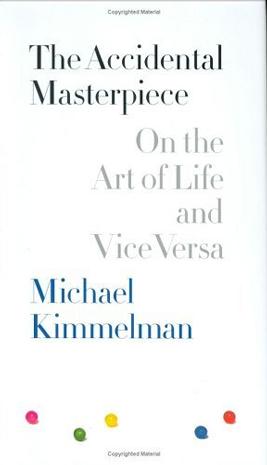

具体描述
The chief art critic for The New York Times on the creative impulse that emerges in all of us when we realize that the art of making art starts with the art of living.
Michael Kimmelman, the prominent New York Times writer and a regular contributor to The New York Review of Books, is known as a deep and graceful writer across the disciplines of art and music and also as a pianist who understands something about the artist's sensibility from the inside. Readers have come to expect him not only to fill in their knowledge about art but also to inspire them to think about connections between art and the larger world--which is to say, to think more like an artist. Kimmelman's many years of contemplating and writing about art have brought him to this wise, wide-ranging, and long-awaited book.
It explores art as life's great passion, revealing what we can learn of life through pictures and sculptures and the people who make them. It assures us that art--points of contact with the exceptional that are linked straight to the heart--can be found almost anywhere and everywhere if only our eyes are opened enough to recognize it. Kimmelman regards art, like all serious human endeavors, as a passage through which a larger view of life may come more clearly into focus. His book is a kind of adventure or journey.
It carries the message that many of us may not yet have learned how to recognize the art in our own lives. To do so is something of an art itself. A few of the characters Kimmelman describes, like Bonnard and Chardin, are great artists. But others are explorers and obscure obsessives, paint-by-numbers enthusiasts, amateur shutterbugs, and collectors of strange odds and ends. Yet others, like Charlotte Solomon, a girl whom no one considered much of an artist but who secretly created a masterpiece about the world before her death in Auschwitz, have reserved spots for themselves in history, or not, with a single work that encapsulates a whole life.
Kimmelman reminds us of the Wunderkammer, the cabinet of wonders--the rage in seventeenth-century Europe and a metaphor for the art of life. Each drawer of the cabinet promises something curious and exotic, instructive and beautiful, the cabinet being a kind of ideal, self-contained universe that makes order out of the chaos of the world. The Accidental Masterpiece is a kind of literary Wunderkammer, filled with lively surprises and philosophical musings. It will inspire readers to imagine their own personal cabinet of wonders.
作者简介
目录信息
读后感
用户评价
我必须得说,这本书的语言风格简直是一种享受,简直是文字的盛宴!它不像那些流行的畅销小说那样追求简洁明了、直奔主题,而是用一种近乎古典的、华丽的笔法,将每一个场景都打磨得如同精雕细琢的艺术品。我花了大量时间去品味那些长句,它们层层递进,充满了精妙的比喻和排比,读起来有一种巴洛克式的繁复美感。举个例子,作者描述主角的失落感时,没有直接说“他很伤心”,而是用了整整一段话来描绘房间里尘埃的漂浮方式,以及窗外树叶在风中摩擦发出的那种单调、令人心悸的声音。这种将抽象情感具象化的功力,实在令人叹为观止。当然,对于追求快节奏阅读的读者来说,这可能是一种负担,你必须放慢呼吸,像品尝陈年的威士忌一样,让那些复杂的味道在舌尖上停留更久。对我来说,它更像是一部需要反复翻阅的诗集,每次重读都会发现新的韵律和未曾注意到的细节。
这部作品,说实话,初读时我有些不知所措。作者的叙事节奏像极了夏日午后一场突如其来的雷阵雨,猛烈而令人措手不及。它并非那种按部就班、让你能预知下一页会发生什么的线性故事。相反,它像一个迷宫,充满了岔路口和幽深的角落。我不得不承认,有好几次我都想合上书,抱怨情节推进得太过缓慢,或者干脆抱怨那些过于晦涩的内心独白。然而,正是这种“不适感”,像一根细小的刺扎在皮肤上,让你无法完全忽视。我尤其欣赏作者对环境描写的细腻入微,那种光影的变幻,空气中弥漫的湿气,仿佛都能透过纸页感受到。那些配角,虽然戏份不多,却个个立体得像刚刚从你身边走过的人,他们的每一个犹豫、每一个不经意的眼神,都充满了生活的重量。整本书读下来,留给我的不是一个明确的答案,而是一堆散落的、闪闪发光的碎片,需要读者自己去拼凑和解读,这过程本身就是一种独特的阅读体验,刺激着人不断回味和深思。
这本书的结构设计,老实讲,有点像一个极其复杂的瑞士钟表。它内部的齿轮和发条是如何咬合、如何驱动时间的流逝,第一次看,你只能看到表面那些忙碌转动的指针,根本摸不清其运作的精髓。作者似乎故意设置了多个叙事线索,它们时而并行,时而交叉,甚至有时候会让人产生“我刚才读到哪里了?”的困惑。这种故意为之的“模糊性”,反而迫使我必须全程保持高度的专注力。我甚至开始在笔记本上画思维导图,试图理清人物关系和时间轴的对应关系。最精彩的部分在于,当那些看似毫不相关的支线情节在书的后三分之一处猛烈碰撞时,那种豁然开朗的感觉,简直是智力上的一次大爆发。它不是那种让你被动接受信息的作品,而是一次要求你主动参与解谜过程的智力挑战,这种互动性让人欲罢不能。
坦白讲,这部作品的基调是相当忧郁的,它毫不留情地揭示了人类在面对宏大命运时的那种无力和荒谬感。它不是那种试图给你灌输积极能量或简单快乐的读物。恰恰相反,它深入挖掘了那些我们日常生活中刻意回避的阴影面——关于选择的不可逆性,关于时间对一切美好事物的腐蚀,以及那些永远无法弥补的遗憾。我读到某些章节时,甚至需要停下来,去窗外看看远处的风景,让自己从那种深刻的虚无感中抽离出来。然而,这种沉重感并非是廉价的煽情。它建立在对人性深刻而冷峻的洞察之上。作者笔下的人物,即便身处绝境,他们依然保有某种近乎病态的尊严,这种对“人性残存价值”的坚持,让整部作品虽然沉重,却不至于走向绝望的深渊。它更像是一面镜子,映照出我们每个人内心深处最真实的脆弱。
从文学史的角度来看,这本书无疑是在向某些经典致敬,同时又在小心翼翼地构建自己的新领地。我能清晰地感受到十九世纪现实主义文学的影子,那种对社会阶层和权力结构的细致剖析,但同时,它又融入了一种后现代的解构手法,时不时地打破“第四堵墙”,与读者进行一种心照不宣的交流。最让我感到惊喜的是作者对“沉默”的运用。很多重要的信息,作者选择完全不写出来,而是让角色之间的对视、环境的变化来暗示。这种“留白”的艺术,比直接的叙述更加有力,它将阐释的权力交还给了读者,鼓励我们去填补那些未被言说的空白。读完后,我感觉自己像刚刚进行了一场高强度的学术研讨,它拓宽了我对叙事可能性的理解。它不是一本轻松的消遣读物,而是一次严肃的、值得被反复讨论的文学事件。
推荐给所有在纠结于modern art is so hard to understand, am i seeing it the right way?这个概念的人。
艺术是人类一生中所能拥有的最恒久的温柔😢(这本如果插图多一点好了!)
推荐给所有在纠结于modern art is so hard to understand, am i seeing it the right way?这个概念的人。
艺术是人类一生中所能拥有的最恒久的温柔😢(这本如果插图多一点好了!)
艺术是人类一生中所能拥有的最恒久的温柔😢(这本如果插图多一点好了!)