
具体描述
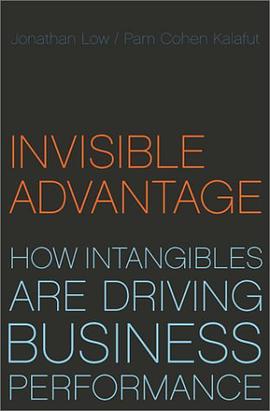
An examination of how intangible assets are revolutionizing business practice, management and strategy. According to the authors, one-third of any company's value is derived from elements that can't be seen, such as brand equity, strategy execution, reputation and innovative culture.
A provocative look at how intangible assets are revolutionizing business practice, management, and strategy--from the experts at Cap Gemini Ernst & Young's Center for Business Innovation. IBM spends 3. 5 billion dollars to acquire Lotus Development Corporation--and, more important, its chief programmer. French luxury-brands manufacturer LVMH invests in building its own retail shops to reinforce and control their image. Meanwhile, the Institute for Chartered Accountants in England and Wales issues a report that challenges the effectiveness of traditional corporate financial statements. In Invisible Advantage, Jonathan Low and Pam Kalafut explore the profound degree to which "intangible assets" are defining corporate value and driving decision making in all areas. The authors estimate that fully one-third of an organization's value is derived from elements that can't be seen, such as quality of leadership, strategy execution, reputation, and innovative culture.
Invisible Advantage is a decoder ring to the intangibles economy--identifying the twelve "measures that matter" for any business today and outlining the new rules by which managers must play in order to attract the most talented employees, profitable customers, collaborative partners, and aggressive investors.
Synopsis
A provocative look at how intangible assets are revolutionizing business practice, management, and strategy--from the experts at Cap Gemini Ernst & Young's Center for Business Innovation. IBM spends 3. 5 billion dollars to acquire Lotus Development Corporation--and, more important, its chief programmer. French luxury-brands manufacturer LVMH invests in building its own retail shops to reinforce and control their image. Meanwhile, the Institute for Chartered Accountants in England and Wales issues a report that challenges the effectiveness of traditional corporate financial statements. In Invisible Advantage, Jonathan Low and Pam Kalafut explore the profound degree to which "intangible assets" are defining corporate value and driving decision making in all areas. The authors estimate that fully one-third of an organization's value is derived from elements that can't be seen, such as quality of leadership, strategy execution, reputation, and innovative culture. Invisible Advantage is a decoder ring to the intangibles economy--identifying the twelve "measures that matter" for any business today and outlining the new rules by which managers must play in order to attract the most talented employees, profitable customers, collaborative partners, and aggressive investors.
From Amazon.com
Invisible Advantage, by Jonathan Low and Pam Cohen Kalafut, is a thoughtful analysis of the value of intangible assets in today's corporate world with solid recommendations for turning them into a competitive edge. Low and Kalafut, who have undertaken several major research projects on this topic and presented their results at forums worldwide, say a dozen nonmaterial resources in particular have played a significant role in business success since the days of Ford and GM. The 12--which they identify as leadership, strategy execution, communication and transparency, brand equity, reputation, alliances and networks, technology and processes, human capital, workplace organization and culture, innovation, intellectual capital, and adaptability--"don't show on a balance sheet or an income statement," they write, "yet they are manageable and usually quantifiable drivers of corporate-value creation." After offering some historical perspective and a look at their methodology, the pair explain how each of these factors works in the real world today and show how highfliers like Dell and McDonald's have managed to capitalize on them "quickly and quietly, before competitors or anyone else caught on to what they were doing." Practical advice such as "five key steps" for managing intangibles elevates this from an interesting academic exercise to a more pragmatic how-to. --Howard Rothman
Book Description
The Enron debacle, the dot.com implosion, and a record-breaking deal for a popular morning news anchor are only a few of the most dramatic examples of a new economic paradigm that is rewriting the rules of business.
Consider the following: IBM spends three and a half billion dollars to acquire Lotus Development Corporation, but more importantly, its chief programmer. French corporation LVMH creates the first luxury brands conglomerate, recognizing the potential operational and marketing benefits from combining opulent brands like Louis Vuitton, Moet Hennessey, TAG Heuer and Givenchy under one managerial umbrella. Meanwhile, Monsanto's stock price plummets, losing 35 % of its value in a year, when the company's carefully considered strategy to enhance growth, diversification and public acclaim through leadership in genetically modified crops, is met instead with public revulsion for "Frankenfoods." The common theme among these, and dozens of other examples analyzed in Invisible Advantage, is the profound degree to which "intangible assets" are defining corporate value and revolutionizing the ways in which business is conducted.
Drawing from their extensive research in corporate valuation, strategy, and consumer behavior, Jonathan Low and Pam Cohen Kalafut estimate that fully one-third of an organization's value is derived from elements that can't be seen, such as brand equity, strategy execution, reputation, and innovative culture. Ideas and relationships: these are the new currency of the economy-and their influence on decision-making can now be quantified.
From leadership to communication, technology to human resources, the authors identify twelve "measures that matter" and convincingly demonstrate the bottom-line implications of investing in (or ignoring) each of them. Achieving, and then sustaining, a competitive edge will depend on how well you and your company balance all twelve factors. Highlighting the most innovative strategies of organizations around the world, the authors present strategies for succeeding in the age of intangibles, and propose an ambitious agenda for reforming the ways in which corporate performance is recorded and evaluated.
Challenging and provocative, Invisible Advantage is a decoder ring to the intangibles economy-a new playbook by which managers can learn to attract the most talented employees, profitable customers, collaborative partners, and aggressive investors.
Book Dimension
Height (mm) 240 Width (mm) 160
作者简介
目录信息
读后感
用户评价
《Invisible Advantage》这本书,我用了相当长的时间来细细品读,因为我发现,每一页都充满了值得反复咀嚼的智慧。作者的文笔非常细腻,他能够将那些抽象的概念,通过生动的比喻和深入的分析,变得触手可及。我最喜欢的部分,是作者对于“耐心”和“坚持”的解读,他并没有将其简单地定义为一种美德,而是将其上升到了“隐形优势”的高度,并详细阐述了它们如何在潜移默化中塑造一个人的能力和格局。书中提到的“复利效应”,让我印象深刻,它告诉我们,那些看似微不足道的努力,只要能够持续地积累,最终会带来几何级的增长。这一点,在我的学习和工作中都有非常深刻的体会。我曾有过一段时期,对自己的进步感到非常迷茫,总觉得付出了很多,却收效甚微。读了这本书,我才意识到,很多时候,我们需要的不是更“显眼”的努力,而是更“隐形”的坚持。作者通过大量的案例,向我们展示了,那些最终取得巨大成功的人,往往都是那些能够坚持下来,并且不断在那些不为人注意的细节上打磨自己的人。这本书,给了我一种全新的视角,让我重新审视自己的成长轨迹,也让我对未来的发展充满了信心。我正在尝试将书中提到的“隐形优势”的理念,融入到我的个人成长计划中,我相信,通过日复一日的积累,我一定能够看到属于自己的“隐形”力量的绽放。
《Invisible Advantage》这本书,以其独到的视角和深刻的洞察力,彻底改变了我对“优势”的认知。作者没有选择那些显而易见的成功标志,而是将目光投向了那些隐藏在水面之下的“隐形”力量。我尤其欣赏他对“耐心”的深入探讨,他将耐心不再仅仅视为一种美德,而是将其提升到了“隐形优势”的高度,并详细阐述了它如何在潜移默化中塑造一个人的能力和韧性。书中通过对不同领域成功人士的案例分析,让我看到了“隐形”的耐心,是如何在漫长的等待和不断的尝试中,最终结出丰硕的果实。我曾经有过一段时期,对自己的进步感到焦虑,总觉得付出了很多,却收效甚微。读了这本书,我才意识到,很多时候,我们需要的不是更“快速”的回报,而是更“持久”的耐心。作者通过大量的例子,向我们展示了,那些最终取得伟大成就的人,往往都是那些能够坚持下来,并且在那些不为人知的细节上默默耕耘的人。这本书,给了我一种全新的视角,让我重新审视自己的成长轨迹,也让我对未来的发展充满了信心。我正在尝试将书中提到的“隐形优势”的理念,融入到我的个人成长计划中,我相信,通过日复一日的积累,我一定能够看到属于自己的“隐形”力量的绽放。
我不得不说,《Invisible Advantage》这本书,是一次令人耳目一新的阅读体验。作者以一种非常独特的方式,揭示了那些隐藏在成功背后的“看不见”的力量。他并没有选择那些华丽的辞藻,而是用一种质朴而深刻的语言,将这些“隐形优势”一一呈现。我尤其对书中关于“专注”的论述印象深刻,他并没有仅仅强调保持专注的重要性,而是深入挖掘了那种“隐形”的专注能力,比如如何屏蔽干扰、如何抵制诱惑,以及如何保持对目标的长期投入。他通过一个个生动的故事,展示了这些“隐形”的专注能力,是如何在潜移默化中,帮助人们实现自己的目标,并最终获得成功。读完这部分,我才意识到,很多时候,我们之所以无法完成我们想做的事情,并非是因为我们不够努力,而是因为我们忽略了那些更重要的“隐形”专注因素。这本书,让我开始重新审视自己在工作中的行为模式。我发现,很多时候,我们过于关注“做什么”,而忽略了“如何做得更好”以及“如何保持不被打断”的重要性。我正在积极地将书中提到的“隐形专注优势”融入到我的工作流程中,并且相信,通过这些微小的改变,我的工作效率将会得到质的提升。这本书,对我来说,是一次关于“专注”的全新认知。
在我阅读《Invisible Advantage》的过程中,我不断被作者的深刻洞察力所折服。他没有选择那些陈词滥调的成功秘诀,而是将焦点放在了那些常常被我们忽视的、但却至关重要的“看不见”的优势上。作者的分析非常精辟,他能够将复杂的现象,抽丝剥茧地还原到最本质的驱动力。我印象最深刻的部分,是关于“心态”的讨论。很多人都强调积极心态的重要性,但作者却进一步挖掘了“隐形”的心态优势,比如延迟满足、对失败的容忍度,以及那种不被外界干扰的内在驱动力。他用一系列生动的故事,展示了这些“隐形”的心态优势,是如何在关键时刻,决定了一个人是否能够抓住机遇,克服困难。读完这本书,我仿佛被点醒了,开始重新审视自己那些看似不经意的想法和反应。我意识到,很多时候,阻碍我们进步的,并非外在的条件,而是我们内在的“隐形”障碍。这本书,就像一面镜子,让我看到了自己身上那些潜在的“隐形”优势,也让我看到了那些需要被克服的“隐形”弱点。我正在努力地去培养和强化这些“隐形”优势,并且相信,它们终将会在未来的某一天,成为我最强大的武器。这本书,对我来说,不仅仅是一本读物,更是一次自我认知的旅程。
《Invisible Advantage》这本书,让我对“优势”这个概念有了全新的理解。作者以一种非常独特而深刻的方式,揭示了那些常常被我们忽视的、但却至关重要的“看不见”的力量。他并没有选择那些显而易见的成功要素,而是将焦点放在了那些隐藏在日常琐事中的“隐形”优势。我尤其欣赏他对“复盘”的解读,他并没有将其简单地视为一种总结会议,而是将其上升到了“隐形优势”的高度,并详细阐述了它如何通过不断的学习和改进,来塑造一个人的能力和格局。书中通过对不同领域成功人士的案例分析,让我看到了“隐形”的复盘能力,是如何在一次次的尝试和总结中,帮助他们不断地优化策略,提升效率,并最终获得长期的成功。我曾经有过一段时期,对自己的工作效率感到困惑,总觉得付出了很多,却收效甚微。读了这本书,我才意识到,很多时候,我们需要的不是更“努力”的付出,而是更“有效”的复盘。作者通过大量的例子,向我们展示了,那些最终取得卓越成就的人,往往都是那些能够持续地从自己的经验中学习,并且在那些不为人知的细节上不断反思和改进的人。这本书,给了我一种全新的视角,让我重新审视自己的工作方式,也让我对未来的发展充满了信心。我正在尝试将书中提到的“隐形优势”的理念,融入到我的工作计划中,我相信,通过日复一日的积累,我一定能够看到属于自己的“隐形”力量的绽放。
这本书的叙事方式非常有感染力,作者仿佛一位经验丰富的向导,带领着读者穿越层层迷雾,去探索那些隐藏在成功背后的“看不见”的力量。我非常欣赏他构建的逻辑框架,清晰而严谨,每一步都循序渐进,让我能够轻松地理解那些复杂的概念。书中所举的例子,也都是我非常熟悉的,这使得我对作者的论点更能产生共鸣。他并没有空泛地谈论“努力”或“天赋”,而是深入到那些更细微的层面,比如一个微小的习惯,一次不经意的沟通,甚至是一种思维模式的转变,是如何在潜移默化中改变事物的走向。我记得书中有一个关于某个科技公司如何凭借其“隐形优势”在竞争激烈的市场中脱颖而出的案例,作者分析得非常透彻,让我看到了那些看似微不足道的细节,是如何在长期的积累中,构建起一道难以逾越的护城河。这让我意识到,在追求卓越的道路上,我们不应该只盯着那些显而易见的成就,而更应该关注那些能够支撑这些成就的“隐形”基础。这本书不仅仅是提供了方法论,更重要的是,它改变了我看待问题的方式,让我学会去发现那些被大众忽视的“暗流”,并从中找到属于自己的“隐形优势”。我最近开始尝试在日常工作中,刻意去培养一些新的“隐形”习惯,虽然目前还看不出显著的效果,但我相信,就像作者所说的那样,这些微小的改变,终将会在未来的某一天,汇聚成一股强大的力量,带来意想不到的惊喜。
《Invisible Advantage》这本书,是一次让我大开眼界、受益匪浅的阅读体验。作者以一种极其巧妙的方式,揭示了那些隐藏在成功背后的“看不见”的力量。他并没有炫耀多么高深的理论,而是用一种非常接地气的方式,将这些“隐形优势”一一呈现。我尤其欣赏他对“学习能力”的重新定义,他不仅仅是强调了掌握知识的重要性,更重要的是,他挖掘了那些“隐形”的学习能力,比如如何快速适应新环境、如何从错误中学习、以及如何保持好奇心。这些能力,往往是我们容易忽视,但却对个人成长至关重要。书中的案例分析,也让我深感认同。他并没有选择那些遥不可及的传奇人物,而是从我们身边那些普通人身上,挖掘出了那些“隐形”的成功因素。这让我觉得,成功并非遥不可及,而是隐藏在我们日常的点滴之中。这本书,让我开始重新思考自己的学习方式和成长路径。我发现,很多时候,我们之所以无法取得突破,是因为我们只关注了那些“可见”的学习成果,而忽略了那些更深层次的、能够支撑我们持续进步的“隐形”学习能力。我正在尝试将书中提到的“隐形优势”理念,融入到我的学习和工作中,并且期待着这些“看不见”的力量,能够为我带来更长远的改变。
这本书《Invisible Advantage》,给我带来的最深刻的感受,是那种“原来如此”的豁然开朗。作者非常擅长于从日常生活中挖掘那些不为人注意的“隐形”要素,并将其上升到“优势”的层面。我印象最深刻的是他对“沟通”的解读,他并没有仅仅停留在语言表达层面,而是深入到了沟通中的“倾听”、“理解”和“共情”等“隐形”的技巧。他通过一个个生动的案例,展示了这些“隐形”的沟通技巧,是如何在潜移默化中,建立信任,化解矛盾,并最终促成合作的。读完这部分,我才意识到,很多时候,我们之所以在沟通中碰壁,并非是因为我们不够聪明,而是因为我们忽略了那些更重要的“隐形”因素。这本书,让我开始重新审视自己在人际交往中的行为模式。我发现,很多时候,我们过于关注“说什么”,而忽略了“怎么说”以及“听进去”的重要性。我正在积极地将书中提到的“隐形沟通优势”融入到我的日常交流中,并且相信,通过这些微小的改变,我的人际关系将会得到质的提升。这本书,对我来说,是一次关于“看不见”的力量的启蒙。
《Invisible Advantage》这本书,真的给了我太多的惊喜。我之前总是认为,成功是靠那些看得见的努力,比如加班加点,拼命钻研。但这本书,让我认识到,很多时候,真正的优势,是隐藏在那些我们忽略的、不为人知的领域。作者非常善于观察生活,并且能够从细微之处挖掘出那些具有普遍意义的道理。我尤其喜欢他对于“习惯”的剖析,他将那些看似微不足道的日常习惯,上升到了“隐形优势”的高度,并且详细地阐述了它们如何能够潜移默化地塑造一个人的人生。比如,他提到的“早起”这个习惯,很多人可能会觉得它很简单,但作者却从多个角度分析了它所能带来的“隐形”好处,从身体健康到思维清晰,再到时间的掌控力,无一不让我感到茅塞顿开。这本书,让我开始重新审视自己的生活方式,并且开始刻意去培养一些“隐形”的积极习惯。我发现,当我开始有意识地关注那些“看不见”的改变时,我的人生似乎也开始变得更加有掌控力。这本书不仅仅是提供了方法,更重要的是,它改变了我对待“成功”的态度,让我明白,真正的成功,往往是那些长期坚持,并且在不为人知的领域默默耕耘的结果。我正在努力将书中提到的“隐形优势”理念,融入到我的日常生活中,并且期待着未来能够看到这些“隐形”的力量,为我带来意想不到的改变。
《Invisible Advantage》这本书,我拿到手的时候,封面设计就深深吸引了我,那种简约而又充满力量的设计语言,仿佛在预示着书中所要探讨的某个深邃的道理。我一直认为,真正的优势并非总是显而易见的,它们往往隐藏在那些不为人注意的细节之中,如同空气一样无处不在,却又难以捉摸。读这本书,就像是在进行一场寻宝游戏,每一次翻阅,都让我对“优势”这个概念有了更深层次的理解。作者以非常生动的笔触,将那些看似微不足道的因素,抽丝剥茧地呈现在读者面前,并详细阐述了它们如何能够累积起来,最终形成一股强大的、难以被竞争对手复制的“隐形优势”。我尤其喜欢作者在分析案例时所展现出的那种洞察力,他能够精准地捕捉到那些决定成败的关键点,并将其转化为易于理解的道理。这本书不仅仅是理论的堆砌,更多的是一种思维方式的引导,它让我开始重新审视自己在工作和生活中的许多习惯和行为,开始思考那些被我忽略的、却可能带来巨大改变的“隐形”因素。那种感觉,就像是被点醒了一般,突然意识到自己身上蕴藏着许多未被发掘的潜力,而这些潜力,正是通往真正优势的密钥。我曾有过几次想要改变现状,却总是不得其法的经历,读完这本书,我才明白,问题可能就出在我一直以来都只关注那些“可见”的改变,而忽略了那些更基础、更根本的“隐形”力量。这本书给我最大的启发,就是认识到,真正的强大,往往来自于那些你看不见,但却能够持续影响结果的力量。