
具体描述
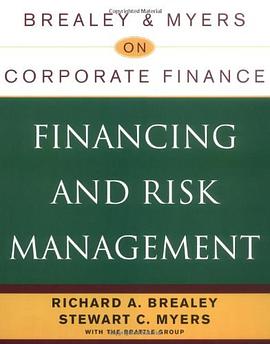
This book offers a comprehensive look at how corporations balance financing and risk from two of today's most popular and influential finance writers. Today's corporation has an unprecedented number of avenues for financing its operations. At the same time, the specter of risk is always in the background, ready to extract a heavy toll from any executive who overlooks or disregards its long shadow. "Financing and Risk Management" addresses the many ways in which corporations raise capital as they manage the concurrent risk. Filled with information and ideas that are both thought provoking and functional, it provides an indispensable look into the theory and mechanics of financing and risk, including: how, why, and when a firm should assume debt, while keeping that debt from working against it; financial techniques for hedging against omnipresent domestic and international risks; and strategies for creating shareholder value through integrated investment and operating programs.Through six editions, Brealey and Myers' classic textbook "Principles of Corporate Finance" has become renowned for presenting in-depth discussions of financial theory and practice in an engaging and lively style. The Brealey & Myers on "Corporate Finance" series brings this classic text into the business environment, providing time-pressed professionals with a more focused format while retaining the timeless guidance and inherent readability of the original. "It is hard enough getting New York cab drivers to give you change for a $20 bill; try asking them to split a Treasury bill." - From Chapter Eighteen. "Financing and Risk Management" belies the notion that corporate finance texts must be dull. This handbook for practicing professional combines in-depth finance information and methodology with dynamic and often humorous writing as it focuses on the many issues professionals face as they take on questions of financing.Its step-by-step treatment encompasses: Financial and securities markets - Types of securities: when and how they are issued and how they are priced by investors; Dividend policy and capital structure - How to determine the appropriate mix of securities issued, debt level, and more; options-strategies for using options, warrants, and convertibles plus different models - including Black-Scholes - for their valuation; debt financing - techniques for managing a company's debt and explanations of the many types of debt that can be issued; and risk management - methods for hedging against today's wide array of business hazards, both domestic and international. It includes financial planning - ways to measure and manage a firm's leverage, liquidity, efficiency, profitability, and market valuation, and short-term financing - channels for short-term borrowing and lending plus descriptions of programs for credit and cash management."Financing and Risk Management" also differs from the majority of finance tomes by consistently reflecting on the human side of the equation. What must you do to strike a balance between appeasing investors with dividends and retaining earnings for expansion, and what if the needs of your firm change? How can you generate global profits while assessing and hedging your firm's foreign currency exposure? What are the questions you should ask when determining which of two (or more) available vehicles your firm should adopt for efficient financing? Corporate financial management is at its core a fluid and constantly challenging area."Financing and Risk Management" takes you inside the fundamental question of how a corporation generates capital. It introduces you to the subject's often-conflicting objectives and outlines ways in which you can satisfy the greatest number of those objectives, while ensuring that all areas of a corporation operate - and conflicts are resolved - under one consistent set of financial rules.
作者简介
目录信息
读后感
用户评价
我是一位在市场前线摸爬滚打多年的资深交易员,坦白说,我对市面上那些泛泛而谈的“理论导论”式的书籍已经感到厌倦了。我需要的是能直击痛点、提供高阶洞察的实战手册。这本书恰好满足了我对深度和精度的要求。它的分析视角非常锐利,尤其在处理极端市场条件下的流动性风险和信用风险时,书中揭示的一些不为人知的影响因子和传导机制,即便是我这种老手也感到醍醐灌顶。作者显然对全球金融体系的内在脆弱性有着深刻的理解,书中对系统性风险的建模和压力测试方法的探讨,其严谨程度和前瞻性令人印象深刻。我特别欣赏它对“黑天鹅”事件的量化处理,它没有停留在描述概念层面,而是深入到了如何利用先进的统计工具来构建更具韧性的投资组合。这本书更像是一本高阶的“故障排除手册”,它不仅仅告诉你如何赚钱,更重要的是告诉你,在市场失灵时,如何最大限度地保护你的资本。对于希望将理论知识提升到决策层面的专业人士来说,这本书是不可多得的智力投资。
这本书简直是为金融领域的新手量身定制的入门指南!我刚开始接触这个领域时,面对那些复杂的模型和术语简直是无从下手,感觉自己像是在迷雾中摸索。但是,这本书的叙述方式异常清晰和直观,它没有一上来就堆砌那些晦涩难懂的理论,而是从最基础的概念开始,用非常贴近生活的例子来解释复杂的金融现象。比如,它解释衍生品风险对冲时,不是简单地给出数学公式,而是通过一个农场主如何应对未来收成不确定的生动场景来阐述,让我瞬间理解了风险分散的精髓。这种“润物细无声”的教学方法,极大地降低了学习的门槛,让原本枯燥的金融知识变得生动有趣。更让我赞赏的是,作者在介绍每一种工具或策略时,都会细致地分析其潜在的局限性和适用场景,避免了读者陷入“万能工具”的错觉。读完前几章,我对整个金融市场的运作逻辑有了一个全新的、更扎实的认识,这为我后续深入学习打下了坚实的基础。这本书的实用性和可读性,在同类书籍中绝对是佼佼者。
我一直对行为金融学和传统风险管理理论之间的冲突很感兴趣,希望能找到一个能将两者有机结合起来的理论体系。这本书在这一点上展现出了惊人的整合能力。它没有将决策者视为完全理性的“经济人”,而是引入了认知偏差和群体心理对风险判断的影响。在讨论信用评分模型时,书中专门辟出一个章节讨论了“羊群效应”如何放大违约风险,这在以往的教材中是极为罕见的。作者的论证过程充满了辩证的张力,例如,如何平衡利用量化模型提供的客观数据与管理者在特定市场环境下对非结构化信息的直觉判断。这种对人类决策非理性的承认,使得全书提出的所有风险缓解策略都显得更加落地和人性化。我尤其欣赏作者在总结部分提出的“适应性风险管理”框架,它鼓励管理者将风险管理视为一个持续学习和进化的过程,而不是一个静态的控制系统。这本书是近年来少有的,能将“硬科学”的严谨与“软科学”的洞察完美融合的力作。
作为一名负责跨国公司财务规划的CFO,我一直苦恼于如何将全球宏观经济的不确定性有效地融入到我们的长期资本预算和汇率风险管理中去。这本书提供的框架性思维,彻底改变了我的工作流程。它不仅仅讨论了汇率波动本身,而是细致地剖析了不同会计准则下风险暴露的计量方法,以及如何利用金融衍生品进行有效的、符合监管要求的套期保值。书中关于跨国资金池的优化策略和转移定价中的税务风险考量,提供了非常具有操作性的蓝图。特别是其中关于新兴市场投资风险定价模型的部分,它考虑了政治风险溢价和资本管制的不对称性,这在我们拓展新兴市场业务时提供了宝贵的量化依据。我发现,这本书的语言风格非常“务实”,它不追求学术上的完美,而是追求商业决策上的最优解。读完后,我立刻组织团队,参照书中的建议重新审视了我们未来三年的外币负债结构,效果立竿见影。
如果说很多财经书籍是写给那些想成为华尔街精英的人,那么这本,更像是写给那些关心我们日常经济生活和国家金融稳定的普通公民的。它的叙事策略非常巧妙,通过对金融危机历史案例的解构,让我们看到了宏观风险是如何自上而下渗透到每一个普通家庭的储蓄和抵押贷款中的。书中对“道德风险”和“搭便车效应”的社会学解释,比那些冰冷的经济学定义更具穿透力,让我对金融监管的必要性有了更深层次的理解。作者没有故作高深地使用复杂的数学符号,而是通过清晰的逻辑链条,一步步引导读者思考金融体系的稳定性和公平性问题。对我而言,这本书的价值在于,它提供了一副清晰的“风险地图”,让我们在面对金融新闻报道时,不再是一头雾水,而是能够迅速识别出隐藏在字里行间的潜在威胁。它教会了我如何做一个更明智的储户和投资者,而不是盲目跟风的赌徒。