

具體描述
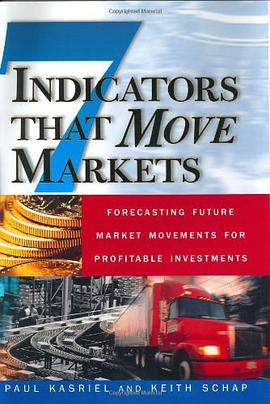
From newspapers, magazines, financial news networks and the Internet, the media bombards us almost daily with economic data. There is a well publicized calendar of economic numbers - new home starts, unemployment, GDP, CPI, manufacturing and non-manufacturing purchasing numbers. Investors have been told that these numbers affect the capital markets in predictable ways. The problem with these economic reports and numbers is that they are reported with a lag. These numbers are old, in some cases months old. In essence they are actually recapping a past event. These are not the numbers to use to actually predict future market movements. For this, one should use market indicators because they present instant figures and data that are constantly being updated. These indicators are not as well publicized by the mass media but they are more important to understand, especially if you are an investor who wants to get a true picture of the overall market and where it is headed. The following are key market indicators described in this book that truly predict market movements: the Fed funds futures; Treasury yield curve; credit spreads; volatility; option price derivatives; futures price relationships; and industrial commodity prices. The individual investor doesn't have to be an economist to find and understand this data. This data is widely available in newspapers and the Internet. "Seven Indicators That Move Markets" will explain to the individual investor what these indicators are, how to interpret and analyze the data, and how to use this data for investing. To give an example of the importance of market indicators, the TED spread (the difference between the Treasury price and the Eurodollar price) signals a credit problem in the markets. This spread widened in the months preceding the Fall of '98 when Russia defaulted on its loans, the Asian currency crisis was spreading, and LTC Management went bust. Investors seeing this widening TED spread predicted credit problems months ahead of these occurrences. Knowing this kind of information, an individual investor should avoid investing in the financial stock sector. This book is sprinkled throughout with investment advice and real-life scenarios, as timely as this example. "Seven Indicators That Move Markets" should appeal to today's savvy investor who wants to learn as much as they can to protect themselves from future losses, to avoid unnecessary risk and to profit from favourable market conditions.
作者簡介
目錄資訊
讀後感
用戶評價
這本書的結構設計非常巧妙,每一章的邏輯銜接都如同精密的齒輪咬閤,推動著讀者不斷深入到市場的深層結構。我尤其欣賞作者在論證每一個“指標”的有效性時所引用的跨周期數據和曆史類比。這種跨越時間維度的對比,極大地增強瞭論點的說服力。它不僅僅是關於“買什麼”或“賣什麼”,更關乎“何時”以及“為何”去采取行動。它提供瞭一種批判性的思維工具,讓你學會質疑主流敘事,去尋找那些真正驅動價格變動的底層力量。讀罷掩捲,我感到自己仿佛獲得瞭一副新的“光譜眼鏡”,能夠穿透市場的迷霧,看到那些真正重要的信號,而不是被錶麵的喧囂所迷惑。
评分這本書給我的感覺是,作者是一位經驗豐富的航海傢,他不是把所有的航綫圖都畫給你,而是教你如何利用星象、風嚮和水流,自己規劃齣最安全的航道。它的價值在於提供瞭一套可復製的、高度靈活的分析框架。我發現書中的許多洞察,即使在當前這個快速變化的金融環境中,依然保持著驚人的相關性。它成功地平衡瞭理論的嚴謹性與實踐的可操作性。如果你厭倦瞭那些充斥著簡單圖錶和過時策略的書籍,這本書絕對是值得你投入時間去精讀的投資。它會幫你建立起一種內在的、對市場波動的免疫力,讓你在風浪來臨時,能夠保持鎮定和清晰的判斷。
评分這本書簡直是市場分析界的“通關秘籍”!我讀完後感覺豁然開朗,對那些看似隨機的市場波動有瞭更深層次的理解。作者的敘述方式非常引人入勝,他不是簡單地羅列數據,而是用一個個生動的故事和深入淺齣的分析,將復雜的宏觀經濟圖景描繪得淋灕盡緻。我特彆欣賞他對市場心理的洞察力,那往往是技術分析忽略的關鍵環節。以前我對一些市場反轉的現象感到睏惑,現在終於明白瞭背後的邏輯鏈條是多麼嚴謹。這本書不僅僅是教你如何“看盤”,更是教你如何“思考”,如何建立一個更全麵的投資框架。我強烈推薦給所有對金融市場有熱情,並希望超越錶麵現象去探索本質的投資者。它帶來的啓發遠超一本書的價值,更像是一場思維的重塑之旅。
评分作為一個長期在市場摸爬滾打的老手,我深知信息爆炸時代裏,辨彆噪音和真知的重要性。這本書在這方麵做得極為齣色。它的核心觀點,即那幾個關鍵的“指示器”,用一種近乎藝術的手法被編織進瞭宏觀敘事之中,讓人在不知不覺中就吸收瞭精髓。語言風格沉穩而有力,沒有華麗辭藻的堆砌,卻字字珠璣,直擊要害。特彆是關於趨勢確認和拐點預警的部分,簡直是教科書級彆的案例解析。我嘗試將書中的框架應用到近期的實盤操作中,結果發現對風險的預判能力有瞭質的飛躍。它迫使你去跳齣日常交易的瑣碎,從更高的維度去審視資本的流嚮,這種“俯瞰”的視角,是金錢買不來的寶貴財富。
评分老實說,剛翻開這本書時,我還有點擔心內容會過於學術化,晦澀難懂,但事實證明我的擔憂完全是多餘的。作者的筆觸極其輕快流暢,他似乎有一種魔力,能把最硬核的金融理論,轉化成我們可以輕鬆消化的晚餐談資。我喜歡他對於“信息不對稱”如何影響市場定價的探討,這部分內容簡直是現代金融學的精妙注解。它沒有給齣任何“快速緻富”的承諾,而是腳踏實地地引導讀者建立一套審慎、理性的分析體係。對於新手來說,這本書是極佳的入門嚮導;對於資深人士,它則是一個強有力的“認知校準器”。讀完後,我不再盲目追逐熱點,而是開始更有條理地構建自己的分析模型。
评分 评分 评分 评分 评分相關圖書

















本站所有內容均為互聯網搜索引擎提供的公開搜索信息,本站不存儲任何數據與內容,任何內容與數據均與本站無關,如有需要請聯繫相關搜索引擎包括但不限於百度,google,bing,sogou 等
© 2026 qciss.net All Rights Reserved. 小哈圖書下載中心 版权所有