
具体描述
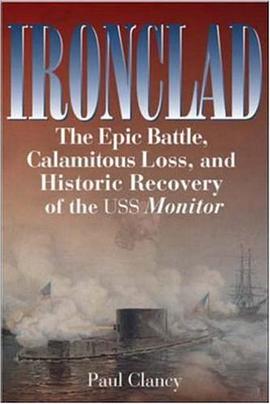
"A cheesebox on a shingle," scoffed one observer as the USS Monitor steamed slowly toward the Confederacy's hulking iron battleship in March 1862. "A tin can on a shingle," said another. But the odd-looking contraption with its revolving gun turret revolutionized naval warfare. Its one great battle in the spring of 1862 marked the obsolescence of wooden fighting ships and may have saved the Union. Its terrible end in a winter storm off Cape Hatteras condemned sixteen sailors to a watery grave. And the recovery of its 200-ton turret in August 2002 capped the largest, most complex and hazardous ocean salvage operation in history.In "Ironclad", Paul Clancy interweaves these stories so skilfully that the cries of drowning Union sailors sound a ghostly undertone to the cough of diesel generators and the clanging of compression-chamber doors on a huge recovery barge. The din and screech of cannonballs on iron plating echo beneath the hum of electronic monitors and the garbled voices of Navy divers working at the edge of human technology and endurance in water 240 feet deep. Clancy studied the letters and diaries of the Monitor's long-ago sailors, and he moved among the salvage divers and archaeologists in the summer of 2002. John L. Worden, captain of the Monitor, strides from these pages no less vividly than the remarkable Bobbie Scholley, the woman commander of 160 Navy divers on an extreme mission. Clancy writes history as it really happens, the improbable conjunction of personalities, ideas, circumstances, and chance.The Union navy desperately needed an answer to the Confederacy's ironclad dreadnought, and the brilliantly eccentric Swedish engineer John Ericsson had one. And 140 years later, when marine archaeologists despaired of recovering any part of the Monitor before it disintegrated, a few visionaries in the U.S. Navy saw an opportunity to resurrect their deep-water saturation diving program. From the breakneck pace of Monitor's conception, birth, and brief career, to the years of careful planning and perilous labour involved in her recovery, "Ironclad" tells a compelling tale of technological revolution, wartime heroism, undersea adventure, and forensic science. This book is must-reading for anyone interested in Civil War and naval history, diving and underwater salvage, or adventures at sea.
作者简介
目录信息
读后感
用户评价
这本书给了我极大的阅读满足感,那种感觉就像是完成了一次艰苦但卓有成效的攀登。故事的线索繁多,但作者的处理方式非常清晰,仿佛有一根无形的丝线牵引着所有的分支,最终汇集成一个令人震撼的高潮。它不像某些流水账式的作品,读完之后脑子里一团浆糊。相反,它像一个精密的钟表,每一个齿轮都咬合得完美无缺。关于主题的探讨也很有深度,触及了关于权力、牺牲以及时间流逝的本质。对于那些喜欢深度思考、追求“有内容”阅读体验的读者来说,这本书绝对值得反复品味。它不是那种读完就丢在一边的消遣读物,而是会留下来,时不时在你脑海中闪现出片段,引发新的思考。
这本书的气氛营造得非常到位,从翻开扉页的那一刻起,我就被拉进了一个完全不同的世界。作者对细节的关注令人惊叹,每一个场景、每一种情绪都描绘得栩栩如生。你仿佛能闻到空气中弥漫的尘土味,感受到主角内心的挣扎与渴望。叙事节奏的把控堪称一绝,时而紧凑得让人喘不过气,时而又放缓下来,给予读者沉思的空间。特别是那些人物的内心独白,深刻而富有哲理,让人在阅读的同时也不禁反思自己的人生。整个故事结构错综复杂,但又逻辑严密,每一个转折点都显得那么水到渠成,绝非刻意为之。读完之后,那种意犹未尽的感觉久久不散,这本书无疑在我的阅读清单上占据了非常重要的位置。它不仅仅是一个故事,更像是一次深刻的体验,让人回味无穷。
老实说,我一开始有点担心会看不懂,毕竟题材看起来比较宏大,但作者的叙事技巧真的高明。他懂得如何将复杂的背景信息自然地融入到角色行动和对话中,而不是用大段的解释来生硬地灌输设定。这种“润物细无声”的技巧,让读者能够轻松地沉浸其中,跟随主角的视角去逐步揭开世界的面纱。角色的塑造极其立体,没有绝对的好人或坏人,每个人都有其难以言说的苦衷和复杂的动机。尤其是那些配角,虽然戏份不多,但每一个都个性鲜明,令人印象深刻。这种对人性的洞察力,是很多作品所欠缺的。这本书的成功之处在于,它没有给我们提供简单的答案,而是提出了更深刻的问题,激发我们去思考。
这本书的语言风格简直是行云流水,读起来非常顺畅,仿佛作者在用一种只有我们能懂的密语进行交流。那些精妙的比喻和排比句,读起来简直是一种享受,每一个词语的选择都恰到好处,充满了力量感。我特别欣赏作者那种旁征博引的能力,在叙事中巧妙地融入了各种文化符号和历史典故,使得整个故事的深度一下子提升了好几个层次。它不像很多畅销书那样追求表面的刺激,而是更注重内涵的挖掘和情感的共鸣。我常常需要停下来,反复琢磨某些段落,体会其中蕴含的深意。这本书的魅力就在于它的多层次性,初读时被情节吸引,再读时则会被文字本身的美感所折服。对于追求文学性的读者来说,这无疑是一本不容错过的佳作,它展示了文字的巨大潜能。
我很少对一本书的排版和装帧如此满意,拿到手的时候就感觉到了它的分量。这不仅仅是纸张和油墨的堆砌,它本身就是一件艺术品。无论是字体的大小、行距的安排,还是章节之间的留白处理,都体现了出版方极高的水准和对读者的尊重。阅读的过程本身也成了一种仪式感。内容方面,不得不提作者对于冲突的构建能力。他擅长设置看似无解的困境,让故事张力始终维持在一个高点上。每一次危机解除,都不是靠运气,而是主角凭借智慧和勇气,付出了沉重的代价才换来的。这种基于现实逻辑的“艰难胜利”,比不费吹灰之力获得成功要震撼得多,也更真实可信。