具体描述
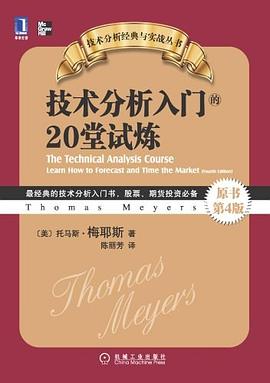
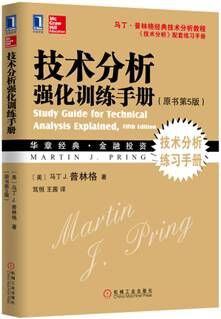
Recommended for professional certification by the Market Technician's Association, this is the Original - and Still Number One - Technical Analysis Answer Book. "Technical Analysis Explained, 4th Edition", is today's best resource for making smarter, more informed investment decisions. This straight-talking guidebook details how individual investors can forecast price movements with the same accuracy as Wall Street's most highly paid professionals, and provides all the information you will need to both understand and implement the time-honored, profit-driven tools of technical analysis.Completely revised and updated for the technologies and trading styles of 21st century markets, it features: technical indicators to predict and profit from regularly occurring market turning points; psychological strategies for intuitively knowing where investors will seek profits - and arriving there first!; and, methods to increase your forecasting accuracy, using today's most advanced trading techniques.Critical acclaim for previous editions include: "One of the best books on technical analysis to come out since Edwards and Magee's classic text in 1948...Belongs on the shelf of every serious trader and technical analyst. " - "Futures". "..."Technical Analysis Explained" [is] widely regarded as the standard work for this generation of chartists." - "Forbes".Traders and investors are creatures of habit who react - and often overreact - in predictable ways to rising or falling stock prices, breaking business news, and cyclical financial reports. Technical analysis is the art of observing how investors have regularly responded to events in the past and using that knowledge to accurately forecast how they will respond in the future. Traders can then take advantage of that knowledge to buy when prices are near their bottoms and sell when prices are close to their highs. Since its original publication in 1980, and through two updated editions, Martin Pring's "Technical Analysis Explained" has showed tens of thousands of investors, including many professionals, how to increase their trading and investing profits by understanding, interpreting, and forecasting movements in markets and individual stocks.Incorporating up-to-the-minute trading tools and technologies with the book's long-successful techniques and strategies, this comprehensively revised fourth edition provides new chapters on: candlesticks and one- and two-bar price reversals, especially valuable for intraday and swing traders; expanded material on momentum - including brand new interpretive techniques from the Directional Movement System and Chaunde Momentum Oscillator to the Relative Momentum Index and the Parabolic; expanded material on volume, with greater emphasis on volume momentum along with new indicators such as the Demand Index and Chaikin Money Flow; relative strength, an increasingly important and until now underappreciated arm of technical analysis; application of technical analysis to contrary opinion theory, expanding the book's coverage of the psychological aspects of trading and investing. Technical analysis is a tool, nothing more, yet few tools carry its potential for dramatically increasing a user's trading success and long-term wealth. Let Martin Pring's landmark "Technical Analysis Explained" provide you with a step-by-step program for incorporating technical analysis into your overall trading strategy and increasing your predictive accuracy and potential profit with every trade you make.
作者简介
目录信息
读后感
用户评价
坦白说,这本书在图表展示和视觉辅助方面做得非常不到位。技术分析,顾名思义,是高度依赖图形化理解的学科,而本书的插图质量和数量,完全不足以支撑其复杂的理论阐述。很多关键的图表,仅仅是简单的黑白线条示意图,无法清晰地展现出价格行为的细微之处,比如形态的突破是否带有足够的成交量支持,或者某个反转信号出现时的蜡烛图组合细节。对于那些需要通过视觉记忆来掌握技术形态的读者来说,这简直是场灾难。我不得不频繁地打开外部的图表软件,对照着书中的描述去自行绘制和观察,这完全背离了教科书应该提供的便利性。一本讲解“技术”的书籍,却在“图”上如此敷衍,实在让人费解。如果能提供高清、彩色的、标注清晰的真实市场截图,并配上针对性的文字注释,说明“看这里,这就是我们说的那个转折点”,那么学习效率将会呈指数级增长。
这本书的“时效性”和“市场适应性”方面存在明显短板,这在快速变迁的金融市场中是致命伤。技术分析的有效性很大程度上依赖于当前市场结构和交易者的普遍行为模式。而本书的许多案例和引用的数据似乎停留在较早的时期,对于当前高频交易和算法交易主导的市场环境,其传统分析方法的解释力度明显减弱。例如,书中对成交量分析的讨论,侧重于传统的柱状图和柱体大小,但对于现代订单流分析中成交量的隐性含义,或者说,机构资金如何在微观结构中利用成交量进行洗盘,几乎没有提及。这让年轻一代的交易者很难将其理论与他们日常接触的市场脉络对上号。如果一本书不能有效弥合“经典理论”与“现代实践”之间的鸿沟,那么它的指导意义就只能局限在历史回顾层面,而不是成为一份指导未来操作的有效文献。
阅读体验上,这本书的行文风格实在有些晦涩和干燥,仿佛是在研读一本早期的学术论文,而非一本面向投资者的实战指南。它堆砌了大量的专业术语,但这些术语之间的逻辑衔接却显得有些生硬。我得反复查阅背后的金融词典才能理解某些段落的真正含义,这极大地打断了阅读的流畅性。更令人困扰的是,书中对不同时间周期分析的侧重不够明确。是偏向于日内短线交易者的视角,还是更适合长期价值投资者进行趋势判断?这种定位的模糊,使得读者很难确定自己应该用书中的哪些部分来指导自己的日常操作。例如,当谈及波浪理论时,往往停留在理论模型介绍上,而没有深入探讨在实际应用中,如何处理那些“数浪错误”后的修正策略,以及不同分析师之间对于浪型划分的分歧该如何权衡。如果能加入更多作者本人的“经验之谈”,比如他自己是如何避免陷入过度分析的泥潭,或者他认为哪些指标组合是“杀手锏”,那么这本书的价值性将大大提升,阅读起来也会更加引人入胜。
这本书的书名给人的感觉是它会深入浅出地拆解那些看似高深莫测的技术分析理论,但实际读完后,我发现它在“解释”的层面上似乎还差那么一点火候。我原本期待的是一种清晰、系统化的梳理,能够将K线图、均线系统、MACD、RSI等工具的内在逻辑,用一种即便是初学者也能轻松消化的语言串联起来。然而,内容似乎更侧重于对各种指标的罗列和定义,而非那种直击灵魂的“为什么”和“怎么样才能有效应用”。比如,讲到支撑位和阻力位时,书中大多是描述性的文字,缺乏足够多的、具有代表性的实战案例来展示这些理论在不同市场环境下的动态变化和失效边界。对于我这种渴望建立一套完整交易体系的人来说,这本书更像是一本工具手册的目录,而非一本操作指南。它告诉你工具叫什么名字,但没有详细教你如何用这些工具去精确定位买卖点,更别提如何将它们与其他宏观或基本面因素结合起来进行综合研判了。希望未来的版本能增加更多关于“市场情绪”如何影响技术形态的深度剖析,以及如何通过形态的“演变”而非“静止”状态来预测价格走势,这才是技术分析真正的精髓所在。
这本书给我一种强烈的“碎片化信息堆砌”感,缺乏一个贯穿始终、统一的分析框架。它似乎想把市面上所有主流的技术分析流派——从道氏理论到江恩角度,再到形态分析和指标应用——都塞进同一本书里,结果却是每种方法都只是蜻蜓点水。结果是,我读完后,脑子里塞满了各种互相矛盾或至少是需要高度整合才能使用的工具箱,但缺少一个总体的“操作手册”来告诉我,在特定情境下,我应该优先使用哪个工具,或者说,这些工具之间的优先级是什么。例如,当均线系统发出买入信号,但K线形态显示的是一个犹豫不决的十字星时,作者的分析倾向在哪里?书中对此的论述显得非常保守和模糊,没有给出明确的判断路径。这使得读者难以建立起自己的一套连贯、自洽的决策流程,最终可能还是得回到原点,自己去摸索如何整合这些知识点。