
具体描述
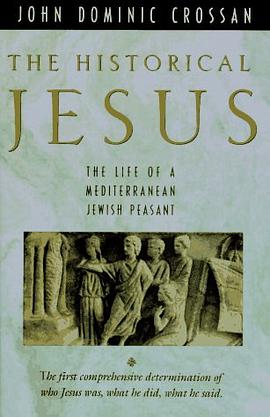
"He comes as yet unknown into a hamlet of Lower Galilee. He is watched by the cold, hard eyes of peasants living long enough at a subsistence level to know exactly where the line is drawn between poverty and destitution. He looks like a beggar yet his eyes lack the proper cringe, his voice the proper whine, his walk the proper shuffle. He speaks about the rule of God and they listen as much from curiosity as anything else. They know all about rule and power, about kingdom and empire, but they know it in terms of tax and debt, malnutrition and sickness, agrarian oppression and demonic possession. What, they really want to know, can this kingdom of God do for a lame child, a blind parent, a demented soul screaming its tortured isolation among the graves that mark the edges of the village?" –– from "The Gospel of Jesus," overture to The Historical Jesus The Historical Jesus reveals the true Jesus––who he was, what he did, what he said. It opens with "The Gospel of Jesus," Crossan's studied determination of Jesus' actual words and actions stripped of any subsequent additions and placed in a capsule account of his life story. The Jesus who emerges is a savvy and courageous Jewish Mediterranean peasant, a radical social revolutionary, with a rhapsodic vision of economic, political, and religious egalitarianism and a social program for creating it. The conventional wisdom of critical historical scholarship has long held that too little is known about the historical Jesus to say definitively much more than that he lived and had a tremendous impact on his followers. "There were always historians who said it could not be done because of historical problems," writes Crossan. "There were always theologians who said it should not be done because of theological objections. And there were always scholars who said the former when they meant the latter.' With this ground–breaking work, John Dominic Crossan emphatically sweeps these notions aside. He demonstrates that Jesus is actually one of the best documented figures in ancient history; the challenge is the complexity of the sources. The vivid portrayal of Jesus that emerges from Crossan's unique methodology combines the complementary disciplines of social anthropology, Greco–Roman history, and the literary analysis of specific pronouncements, anecdotes, confessions and interpretations involving Jesus. All three levels cooperate equally and fully in an effective synthesis that provides the most definitive presentation of the historical Jesus yet attained.
作者简介
目录信息
读后感
用户评价
从装帧和排版的细节来看,出版方显然对这本书投入了极大的心血,这无疑提升了作为实体书的收藏价值。纸张的选择具有恰到好处的厚重感,使得长时间阅读时眼睛不易疲劳,墨水的清晰度也无可挑剔。更为重要的是,书中的图表和地图设计堪称典范。它们不是简单的装饰品,而是与正文论证结构完美融合的视觉辅助工具。那些复杂的空间关系和时间序列,通过精心设计的图形化表达,变得清晰易懂,极大地降低了理解复杂历史地理或年代划分的难度。很多时候,我只需看一眼附带的图示,就能立刻理清先前阅读时略感困惑的某个脉络。这种对读者阅读体验的细致关怀,充分体现了出版界对严肃学术成果的尊重,使得整个阅读过程成为一种身心愉悦的享受。
这本书最令人耳目一新的地方,在于它对既有研究范式的挑战和超越。作者并没有简单地重复前人的发现,而是以一种近乎颠覆性的视角,重新审视了一些长期被奉为圭臬的“常识”。他大胆地提出了若干个全新的解释框架,并且在提出这些框架时,展示了极强的自我反思能力,即他会清晰地标明自己的哪些结论是基于现有证据的合理推演,哪些部分则是在现有证据的边界上进行富有建设性的推测。这种对待“已知”的审慎和对“未知”的探索精神,令人十分钦佩。它迫使我不断地自我修正既有的认知地图,每一次观念的碰撞都带来强烈的智力刺激。这是一部真正意义上的“思想之书”,它不只是提供答案,更重要的是,它教会了我们如何提出更好的、更具穿透力的问题。
不得不提的是,这本书的论证逻辑构建得犹如一座精密的钟表,每一个齿轮——无论是社会背景的铺陈,还是特定事件的分析——都与整体的宏大叙事紧密咬合,驱动着前行。它不是那种将所有信息一股脑倾泻而出的作品,而是展现出一种极强的结构控制力。作者擅长在看似平铺直叙的段落中埋下伏笔,这些伏笔在后续章节中以一种令人赞叹的方式被激活,形成了强大的内在呼应和螺旋上升的论证张力。读起来,你很少会感到思路的游离,因为作者的笔触总是精准地锚定在核心议题之上。尤其是他对不同学派观点的梳理与辩驳,展现出一种超然的学术高度——他不仅呈现了A和B的观点,更重要的是,他清晰地剖析了A和B之所以产生分歧的根本原因,这种深度分析远超一般的综述性著作。我甚至觉得,这本书本身就是一堂关于如何进行严谨历史批判性思维的示范课。
这本书的叙事手法简直是一场文字的探险,作者仿佛是一位经验丰富的向导,带领我们穿梭于浩瀚的史料迷宫之中。最令人印象深刻的是其对原始文本细致入微的解读。他没有满足于浮光掠影的表面信息,而是深入到语言学的肌理之中,挖掘出那些被时间尘封的语境和潜在的文化张力。我特别欣赏他如何处理那些相互矛盾的记载——他没有试图强行统一,而是将这种内在的不确定性视为历史研究的固有魅力。这种近乎“考古学式”的严谨态度,让读者在跟随作者构建历史图景的同时,也能清晰地看到支撑这些构建的“基石”是如何被小心翼翼地摆放和校准的。这种坦诚与深度,极大地提升了阅读的智力愉悦感。我仿佛亲身参与了那些艰难的文献辨析过程,每一次关键的推论都伴随着一种豁然开朗的激动。这不是一本轻易就能读完的书,它要求你慢下来,去品味那些看似微不足道的词汇选择背后所蕴含的巨大历史重量。
这本书在文笔上达到了极高的文学水准,尽管主题严肃,但文字的流动性却出人意料地流畅自然,完全没有学术著作常有的那种晦涩和僵硬感。作者的叙述节奏把握得非常老道,他知道何时应该用简练有力的陈述来推进情节,何时又需要放缓笔速,用富有画面感的描述来营造历史的氛围。我特别喜欢他那种穿插其中的“侧写”——简短却精准地勾勒出当时社会中某个小人物或某个边缘群体的心态与生存状态,这为冰冷的历史事实注入了人性化的温度。这使得阅读体验从纯粹的知识获取,升华为一种对逝去时代的深切同理。读到某些段落时,我仿佛能闻到那个时代特有的尘土气息和香料味,这种感官上的代入感,是许多教科书望尘莫及的。这种艺术与学术的完美结合,让我想起那些伟大的传记作家,他们知道如何让历史“活”起来。