
具体描述
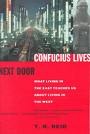
Those who've heard T. R. Reid's weekly commentary on National Public Radio or read his far-flung reporting in National Geographic or The Washington Post know him to be trenchant, funny, and cutting-edge, but also erudite and deeply grounded in whatever subject he's discussing. In Confucius Lives Next Door he brings all these attributes to the fore as he examines why Japan, China, Taiwan, and other East Asian countries enjoy the low crime rates, stable families, excellent education, and civil harmony that remain so elusive in the West. Reid, who has spent twenty-five years studying Asia and was for five years The Washington Post's Tokyo bureau chief, uses his family's experience overseas--including mishaps and misapprehensions--to look at Asia's "social miracle" and its origin in the ethical values outlined by the Chinese sage Confucius 2,500 years ago.
When Reid, his wife, and their three children moved from America to Japan, the family quickly became accustomed to the surface differences between the two countries. In Japan, streets don't have names, pizza comes with seaweed sprinkled on top, and businesswomen in designer suits and Ferragamo shoes go home to small concrete houses whose washing machines are outdoors because there's no room inside. But over time Reid came to appreciate the deep cultural differences, helped largely by his courtly white-haired neighbor Mr. Matsuda, who personified ancient Confucian values that are still dominant in Japan. Respect, responsibility, hard work--these and other principles are evident in Reid's witty, perfectly captured portraits, from that of the school his young daughters attend, in which the students maintain order and scrub the floors, to his depiction of the corporate ceremony that welcomes new employees and reinforces group unity. And Reid also examines the drawbacks of living in such a society, such as the ostracism of those who don't fit in and the acceptance of routine political bribery.
Much Western ink has been spilled trying to figure out the East, but few journalists approach the subject with T. R. Reid's familiarity and insight. Not until we understand the differences between Eastern and Western perceptions of what constitutes success and personal happiness will we be able to engage successfully, politically and economically, with those whose moral center is governed by Confucian doctrine. Fascinating and immensely readable, Confucius Lives Next Door prods us to think about what lessons we might profitably take from the "Asian Way"--and what parts of it we want to avoid.
作者简介
目录信息
读后感
用户评价
这本厚重的典籍,光是捧在手里就能感受到它沉甸甸的历史分量。我花了将近一个月的时间才勉强啃完第一遍,坦白说,它绝不是那种可以轻松消遣的读物。作者的文字功力毋庸置疑,那种古朴而又蕴含深意的叙述方式,让人仿佛置身于那个遥远的年代,亲眼目睹那些影响了人类文明进程的对话与思想的碰撞。我特别欣赏其中对于“仁”和“礼”的细致剖析,它不像现代那些空泛的理论,而是将这些概念融入到日常生活的方方面面,展示了一个活生生的道德体系是如何构建起来的。虽然中间有些篇章的逻辑跳跃性比较大,需要反复揣摩,甚至需要借助一些辅助的解读材料才能勉强跟上思路,但一旦领悟到其中的精髓,那种豁然开朗的感觉是无与伦比的。这本书的价值在于它提供了一种观察世界、理解人性的底层逻辑框架,即便在信息爆炸的今天,它所倡导的自省与修身依然具有强大的现实意义。它更像是一面镜子,映照出我们自身在道德实践上的种种缺失,强迫你去思考,你真正想成为一个什么样的人。
初次翻阅时,我的第一印象是:这简直是给专业研究者准备的工具书,普通读者恐怕要望而却步。它的结构异常严谨,每一章节的论述都建立在前文扎实的基础之上,作者在引用和考据上的功夫令人叹服,几乎每一句话的背后都能看到大量的文献支撑。我尤其对其中关于古代教育体系和士大夫阶层责任划分的那几部分印象深刻。它详细描绘了古代精英阶层是如何被塑造成型的,以及他们自我约束的标准有多么苛刻。阅读过程中,我不得不经常停下来,在脑海中构建一个复杂的知识网络图谱,试图将分散的论点串联起来。如果说有什么可以改进的地方,或许是语言的现代化处理可以更进一步,尽管保持原貌是尊重传统,但对于习惯了快节奏阅读的现代人来说,理解成本确实太高了。总的来说,这是一部需要耐心和毅力去征服的学术高峰,但一旦成功登顶,收获的知识深度是任何通俗读物无法比拟的。
我是在一个非常安静的假期里开始接触这本书的,当时的心情是寻求一些内心的平静和秩序感。这本书提供的结构性力量,恰好满足了这种需求。它的行文节奏非常稳定,像一条缓缓流淌的大河,不急不躁,却蕴含着巨大的推动力。我特别欣赏它对“学习”的定义,那绝不仅仅是知识的积累,更是一种持续不断的自我修正和生命状态的提升。书中对于如何平衡个人欲望与社会责任的阐述,非常具有启发性,它没有采取非黑即白的极端态度,而是提供了一套精致的平衡术。美中不足的是,书中某些段落的翻译腔调略重,偶尔会打断阅读的沉浸感,让人感觉像是透过一层有些模糊的玻璃在观看原作的精妙之处。但瑕不掩瑜,这本书为我提供了一个整理思绪的绝佳框架,让我对许多长期困扰我的问题找到了更清晰的定位。
这本书给我的感觉,与其说是在“读”一个故事或一套理论,不如说是在“参与”一场跨越时空的对话。作者的笔法非常灵活,他似乎总能找到一个巧妙的角度,将那些看似遥远的古代智慧,拉扯到我们每天都会遇到的琐碎烦恼中去。例如,他探讨“君子之交淡如水”时,并没有停留在表面,而是深入剖析了这种关系的本质——基于共同的价值追求而非利益捆绑的纯粹性。我发现自己在阅读过程中,会不自觉地将书中的某些场景代入到我最近处理的人际关系上,效果立竿见影。唯一的缺点是,这本书似乎过于强调理想化的状态,对于人性中那些根深蒂固的弱点和妥协,着墨不多,使得理论体系在面对现实的泥泞时,略显单薄。不过,这或许正是作者的本意:提供一个至高的道德标杆,让我们永远有追赶的方向,而不是满足于现状的平庸。
说实话,我原本以为这会是一本枯燥乏味的教科书,没想到它充满了烟火气和人文关怀。作者的叙事视角非常接地气,他常常以一个观察者的身份,穿梭于不同阶层和背景的人物之间,展现了这套思想体系在实际生活中的“应用案例”。我最喜欢的部分是关于家庭伦理的探讨,它将宏大的政治哲学落实到了最基础的单位——家庭,强调了从孝敬父母开始的道德实践路径。这种由内而外的拓展逻辑,非常具有说服力。这本书的阅读体验,与其说是学习,不如说是回溯文明的源头,重新审视那些我们习以为常却未曾深究的价值体系。唯一的遗憾是,由于篇幅和历史背景的限制,某些议题的探讨稍显仓促,如果能在当代语境下做更多延伸性的辩论,相信会更具爆炸性的影响力。总体而言,这是一次深刻而有益的心灵旅程。